
Table of Contents
Key Takeaways
✔ A corporate moving plan needs clear goals, budgeting, defined roles, communication, logistics, and post-move checks to ensure success.
✔ Relocation managers handle moving projects by planning strategies, coordinating vendors, guiding employees, and reviewing results.
✔ Digital platforms, task trackers, communication tools, and scheduling apps help organize tasks and reduce mistakes during relocation.
✔ Delegating responsibilities in a moving team requires assigning tasks by skill, setting deadlines, monitoring progress, and encouraging collaboration.
When businesses relocate, the real challenge isn’t the move itself but maintaining productivity and minimizing disruption during the transition. To address these challenges, businesses are investing in more structured relocation strategies.
As more businesses adopt structured relocation strategies, the corporate relocation service market is projected to grow to $32.47 billion by 2032, with a compound annual growth rate (CAGR) of 7%. This steady growth highlights the importance of proper planning in every move.
Here are the essential elements that should be included in a corporate moving plan.
5 Essential Elements of a Corporate Moving Plan
A corporate move can be stressful, but having a clear plan makes the process smoother. A well-structured corporate moving plan helps companies stay on budget, keep employees informed, and reduce disruptions.
Here are five important parts that should always be included:
1. Assessment of Needs
Before relocating, a company should take a close look at both its current needs and future growth plans. This evaluation provides the foundation for making informed decisions and ensuring a smooth, successful move.
- Evaluate Current Space: The company should examine how well the current office supports daily operations and whether it has limitations that slow productivity. It is important to note areas where the space feels overcrowded or underused.
- Determine Future Requirements: Planning ahead ensures the new location can meet long-term business needs. Growth, new hires, and evolving work styles should all be considered.
- Identify Goals for the New Location: Important factors include size, accessibility, and room for expansion. Location should also reflect the company’s brand and make commuting easier for employees.
2. Budget and Timeline
Time and money are two of the most critical factors in a corporate moving plan. Establishing a clear budget and realistic schedule early on helps prevent unexpected delays, reduces stress, and keeps the entire relocation process on track.
- Establish a Clear Budget: The company should outline all possible moving expenses, including movers, packing, IT setup, and furniture. Hidden costs such as storage, permits, and overtime labor must also be anticipated.
- Create a Realistic Timeline: A schedule with milestones keeps the move on track and ensures departments know what to expect. The timeline should include time for planning, packing, transport, and setup at the new site.
- Plan for Contingency Costs: Unexpected expenses can appear during any relocation, from last-minute repairs to extra moving hours. Adding a buffer in the budget makes it easier to cover these costs without financial strain.
- Prioritize Spending: Not all moving expenses carry the same weight, so the company should identify what is most important. Essential services like IT setup and secure transportation should be funded first.
- Align Timeline With Business Operations: The moving schedule should fit around important business activities. For example, avoiding peak sales periods or major project deadlines can prevent disruptions.
- Track and Review Progress: Budget and timeline planning does not end once the move begins. Regular reviews help ensure that expenses stay under control and deadlines are being met. Monitoring progress allows for quick adjustments when issues arise.
3. Communication Strategy
Clear communication is essential to every corporate moving plan. It ensures that employees, vendors, and management stay aligned during the relocation.
- Notify Employees, Clients, and Vendors: Everyone connected to the business should know about the move in advance. Sharing the timeline early helps employees prepare, while clients and vendors can adjust to the change. Clear notices build trust and reduce last-minute issues.
- Create Centralized Communication Channels: Setting up a single hub for information, such as an internal portal or dedicated email thread, helps avoid scattered messages. When all updates, FAQs, and instructions are in one place, employees can easily access what they need.
- Offer Two-Way Feedback Opportunities: Communication should not only flow from management to employees but also the other way around. Providing spaces for employees to ask questions or share concerns ensures important details are not overlooked. This feedback loop helps address issues quickly before they become problems.
- Assign Department Liaisons: Each department can appoint a point of contact to relay updates and questions between the moving team and staff, making communication faster and more reliable. Department liaisons also help ensure that specific needs are not forgotten in the larger move.
4. Logistics and Vendors
Executing the physical move calls for precise coordination and reliable partners. Every detail— from logistics and equipment to timing and safety—plays a critical role in ensuring a seamless transition.
- Hire Professional Movers: Professional movers are trained to handle bulky furniture, sensitive electronics, and delicate office equipment without causing damage. They also bring the right tools, packing materials, and techniques to make the process faster and safer.
- Plan for Transport and Setup: Furniture, equipment, and systems must be packed, moved, and set up in a way that avoids downtime. Professional movers can also help with dismantling and reassembling workstations, ensuring everything is ready for use once it reaches the new site.
- Coordinate with Specialized Moving Teams: Not all items can be handled by general movers. Sensitive equipment such as servers, medical devices, or lab instruments may require movers with specialized training. Partnering with the right teams ensures high-value items are protected throughout transport and installed correctly in the new location.
- Verify Valuation and Safety Standards: Working with insured movers protects the company if damage or loss occurs during the move. Vendors should also follow strict safety protocols to reduce accidents during packing, lifting, and transport.
- Schedule Vendor Services in Advance: Movers and service providers are often booked months ahead, especially during peak seasons. Early scheduling also allows more time to coordinate details between different providers, while often securing better rates and reducing last-minute expenses.
5. Post-Move Setup and Review
The job isn’t done once the boxes are unpacked. Companies should carefully review operations in the new space, ensuring systems, equipment, and workflows are fully functional so the transition is truly complete.
- Test IT Systems, Phones, and Infrastructure: Technology and communication systems need to be up and running from day one. Even brief downtime can interrupt workflows, impact customer service, and create unnecessary stress for employees.
- Conduct a Review: Reflecting on what went smoothly and what presented challenges helps the company refine its approach for future relocations. Collecting employee feedback adds valuable perspectives that might otherwise be overlooked.
- Inspect Facilities and Equipment: Beyond IT, the company should confirm that furniture, lighting, HVAC, and safety systems are operating properly. Even small issues like broken desks or poor ventilation can affect employee comfort and productivity.
- Update Business Information: Once the move is complete, all business addresses must be updated across platforms. This includes the company website, email signatures, vendor records, and government documents.
- Support Employees During Adjustment: Employees often need time to adapt to the new workspace. Providing orientation tours, updated seating charts, and quick assistance helps them settle in faster.
- Monitor Productivity and Workflow: After the move, leaders should evaluate how well daily operations are running in the new environment. Tracking workflow highlights whether the layout supports efficiency or if adjustments are necessary. Studies indicate that 67% of employees encounter difficulties after relocation. The most common challenge is increased distractions, affecting 30% of employees.
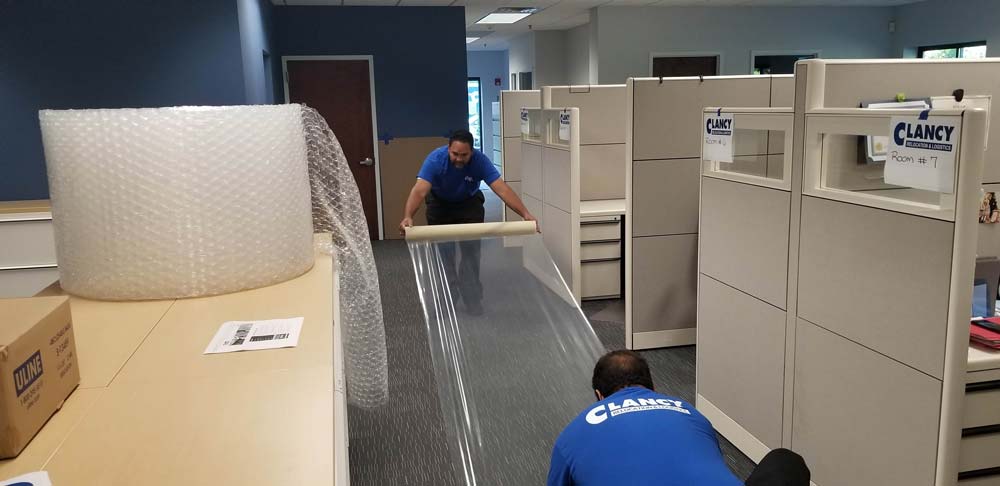
How Do Relocation Managers Handle Corporate Moving Projects?
Corporate relocations can be challenging, but with the right guidance, the process becomes much more manageable. Relocation managers handle corporate moving projects by creating structure, managing vendors, and ensuring operations continue with minimal disruption. Their expertise helps companies move efficiently without losing valuable time.
✔ Handles Employee Relocation Support Services
Supporting employees during a move is an important responsibility. Managers may arrange temporary housing, provide commuting assistance, or give orientation for the new workspace. Such efforts not only ease the transition but also help maintain morale and productivity.
✔ Coordinates With Property Managers and Landlords
Working with property managers or landlords ensures that all agreements and building requirements are met. This includes confirming access, reviewing lease conditions, and handling move-in or move-out procedures. Careful coordination helps prevent compliance issues, unexpected costs, and scheduling setbacks.
✔ Oversees Utility Transfers and Installations
Utilities such as electricity, water, internet, and phone lines must be transferred or installed before the move-in date. Making these arrangements early guarantees that the new office is fully operational, preventing interruptions in daily business activities.
✔ Manages Secure Transfer of Confidential Files and Data
Sensitive company information needs careful handling during relocation. Files, servers, and digital systems should be securely packed and transported to protect data integrity. Taking these precautions upholds confidentiality, supports regulatory compliance, and preserves business trust.
✔ Supervises Disposal or Donation of Old Equipment and Furniture
Not everything in the old office needs to be moved. Outdated furniture or unused equipment can be recycled, donated, or responsibly discarded. Thoughtful disposal not only reduces moving expenses but also aligns the company with sustainable business practices.
✔ Coordinates Cleaning Services for Old and New Spaces
A professional cleaning team is often required both before leaving the old office and before occupying the new one. This ensures the company hands back the old space in good condition and provides a fresh, welcoming environment for employees in the new location. Clean spaces also boost comfort and productivity from day one.
✔ Conducts Final Walkthroughs of Old and New Spaces
Before officially completing the move, walkthroughs are essential. The old office must be checked to confirm nothing has been left behind, while the new office should be inspected for readiness. This final review provides reassurance that the relocation has been handled properly.
✔ Keeps Stakeholders Informed
Clear communication is another critical step. Employees, clients, and vendors are notified early and kept updated throughout the process. This transparency builds trust and makes the move less stressful for everyone involved. In simple terms, relocation managers handle corporate moving projects by combining planning, coordination, and communication into one seamless process.
What Tools Help Track Tasks During Corporate Moving?
Corporate relocations involve many moving parts, and without the right tools, it is easy for important details to get lost. The key to staying on track is using digital solutions that keep the process organized, transparent, and efficient. From timelines to communication, these tools ensure nothing is overlooked during the move:
Project Management Platforms
One of the most effective tools that helps track tasks during corporate moving is a project management platform. Programs like Trello, Asana, or Monday.com allow companies to assign responsibilities, set deadlines, and monitor progress in real time. These platforms make it easier for teams to see what needs to be done and reduce the risk of delays.
Task Tracking Apps
Simple task tracking apps are another helpful option. These tools break down the move into smaller, manageable steps, making it easier to follow day-to-day progress. They are especially useful for ensuring that small but important jobs, such as updating vendor information or checking IT setups, are not missed.
Communication Tools
Another part of the tools that help track tasks during corporate moving is communication software. Platforms like Slack or Microsoft Teams give employees and vendors a space to share updates instantly. Having all messages in one place reduces confusion and keeps the moving plan clear for everyone involved.
Calendar and Scheduling Tools
Calendars and scheduling tools are also essential in corporate moving. They give teams a visual timeline of important dates, such as packing days, moving day, and post-move setup. This prevents overlapping tasks and ensures the move follows the planned schedule.
How to Delegate Responsibilities in a Corporate Moving Team
Corporate moves require organization, teamwork, and strong planning. Knowing how to delegate responsibilities in a corporate moving team helps reduce stress and ensures every task is handled properly. Below are six practical ways to make delegation effective:
1. Assign Roles Based on Skills
Every team member has different strengths, and those should guide the assignments. Technical staff can manage IT equipment, HR can oversee employee needs, and administrative staff can handle paperwork. This way, tasks are completed by the people most qualified to do them.
2. Create a Leadership Structure
A move runs more smoothly when there is a clear chain of command. Appointing a relocation coordinator or committee helps centralize decisions and provides a go-to point for resolving issues. This structure prevents confusion and keeps responsibilities clear.
3. Break Tasks Into Manageable Steps
Large moves can feel overwhelming, so breaking them into smaller tasks makes the process easier. Instead of giving one person too much responsibility, divide the work into clear steps, such as packing, vendor coordination, and IT setup. Smaller tasks are easier to track and complete on time.
4. Set Deadlines and Expectations
Delegating responsibilities in a corporate moving team is effective only when deadlines are clear. Every team member should know what is expected, when it should be finished, and how their role affects the overall timeline.
5. Monitor Progress Regularly
A successful move depends on regular check-ins. Leaders should review progress, identify delays, and provide extra support if needed. Monitoring helps ensure that delegated responsibilities are being completed and nothing is overlooked.
6. Encourage Team Collaboration
Strong teamwork helps reduce stress during a move. Encouraging departments to communicate openly allows members to share updates, raise concerns, and help each other. When collaboration is prioritized, it is easier to delegate responsibilities in a corporate moving team effectively.
Frequently Asked Questions
How do corporate relocations work?
Corporate relocations work by moving a company’s operations from one location to another in a structured way. The process usually includes planning, budgeting, coordinating vendors, and setting up the new space. Employees, clients, and service providers are informed to reduce disruptions. The goal is to complete the move smoothly while keeping the business running as much as possible.
What is relocation project management?
Relocation project management is the organized approach to planning and executing a company’s move. It covers creating timelines, managing budgets, and assigning responsibilities to different teams. The process also involves coordinating movers, IT setup, and communication. Its purpose is to make sure the relocation is completed on time and within budget.
How do companies handle relocation?
Companies handle relocation by first assessing their needs and setting a clear budget. They assign a team or manager to oversee the move and coordinate with service providers. Communication is maintained with employees and clients to avoid confusion. Once the move is complete, they review the process and make adjustments if needed.
How stressful is relocation?
Relocation can be stressful because it disrupts normal routines and requires extensive coordination. Employees may worry about adapting to a new space, while companies face the pressure of staying on schedule. Unexpected costs or delays can add to the challenges.
What is a reasonable relocation time?
A reasonable relocation time depends on the size of the company and the complexity of the move. Smaller offices may relocate within a few weeks, while larger organizations could take several months. Planning usually starts long before the moving day to avoid problems. Allowing extra time for setup and adjustments makes the transition smoother. Connect with reputable movers like Clancy Relocation & Logistics to ensure accurate timelines are established.

Partner With Clancy Relocation & Logistics for a Smooth Move!
Clancy Relocation & Logistics provides the expertise and support needed to handle every stage of a corporate relocation. From coordinating movers and managing logistics to ensuring the new space is fully operational, our team focuses on delivering reliable and professional service. Businesses can rely on our experience to reduce disruptions and keep operations on track throughout the transition.
Contact Clancy Relocation & Logistics today to get started with a tailored relocation plan!