
Table of Contents
6 Strategies to Avoid Downtime in Business Relocation
- Develop a Detailed Moving Plan
- Hire Professional Movers
- Back Up All Critical Data and Documents
- Plan for IT and Equipment Setup in Advance
- Use a Phased Moving Approach
- Update Business Information and Notify Customers
Ensure a Seamless Business Movith Expert Support!
Key Takeaways✔ Develop a clear moving plan with timelines and assigned responsibilities to reduce disruptions. ✔ Hire professional business movers to streamline the relocation process and ensure efficiency. ✔ Back up essential data and documents to prevent information loss and protect business continuity. ✔ Plan IT and equipment set up in advance to minimize delays and ensure a smooth transition. ✔ Use a phased moving approach to keep critical operations running while relocating gradually. ✔ Update business information and notify customers to prevent confusion and service disruptions. |
Relocating a business comes with many challenges, and downtime can lead to significant financial losses. According to recent research, large organizations can face costs as high as $9,000 per minute during operational disruptions. A well-planned move is essential to maintaining productivity and ensuring a smooth transition. Careful coordination, professional support, and proactive strategies can help minimize downtime and keep business operations running efficiently.
Here are six key strategies to avoid downtime during a business relocation.
6 Strategies to Avoid Downtime in Business Relocation
1. Develop a Detailed Moving Plan
Business moving requires careful planning to ensure a seamless transition. Without a structured approach, companies risk disruptions that could impact operations, revenue, and customer satisfaction.
Set Clear Timelines and Milestones
A structured timeline is essential for keeping the moving process organized and efficient. Establishing key deadlines ensures that all tasks are completed on time.
- Create a Moving Schedule: Outline all phases of the move, from packing to setting up at the new location. Set realistic deadlines for each step.
- Set Key Milestones: Identify major checkpoints, such as securing a new office, finalizing lease agreements, and transferring utilities. Tracking progress helps prevent delays.
- Allocate Buffer Time: Unexpected challenges may arise, so incorporating extra time for unforeseen issues can help avoid last-minute complications.
Assign Responsibilities to Key Team Members
A successful move requires a team effort. Delegating tasks to specific employees ensures accountability and efficiency throughout the process.
- Designate a Move Coordinator: A dedicated point of contact streamlines communication between corporate relocation services, management, and employees.
- Assign Department Leads: Each department should have a representative responsible for overseeing their area’s packing and relocation.
- Establish a Communication Plan: Regular meetings and status updates keep all employees informed and engaged in the transition.
Identify Potential Risks and Create Contingency Plans
Moving a business involves risks, including logistical challenges, IT disruptions, and operational delays. Preparing for potential obstacles minimizes their impact.
- Assess Operational Risks: Consider factors such as internet downtime, delays in equipment setup, and disruptions in customer service.
- Develop Backup Strategies: Work with professional business movers to create alternative solutions in case of unforeseen circumstances, such as delayed transportation or damaged assets.
- Ensure Business Continuity: Implement temporary solutions, such as remote work arrangements or backup office spaces, to maintain productivity during the move.
2. Hire Professional Movers
Relocating a business requires careful planning and expertise to ensure minimal disruption. Hiring professional business movers with experience in commercial moves can make the transition smooth and efficient.
Choose a Moving Company with Experience in Commercial Moves
Not all moving companies specialize in business moving. Selecting a mover with expertise in handling corporate transitions ensures that the process is managed efficiently and securely.
- Industry Experience: A company specializing in corporate relocation services understands the unique challenges of moving offices, warehouses, and retail spaces. They have the expertise to handle sensitive equipment, large office furniture, and business assets with care.
- Proven Track Record: Checking references, online reviews, and past client testimonials can help determine if a moving company has successfully managed similar business relocations.
- Customized Solutions: Reliable small business movers provide tailored business transition solutions, ensuring that the move aligns with specific company needs, timelines, and operational requirements.
Ensure They Provide Packing, Transportation, and Setup Services
A full-service moving company streamlines the relocation process by handling all essential steps, from packing to setting up the new space.
- Packing Services: Professional movers use high-quality materials to secure office furniture, electronics, and documents, preventing damage during transit.
- Safe Transportation: Specialized moving trucks and equipment ensure that all business assets are securely transported, reducing the risk of delays or losses.
- Workstation Setup: Some small business movers offer workstation reassembly, IT infrastructure setup, and placement of office furniture, allowing employees to resume work quickly.
Verify Valuation and Liability Coverage
Protecting business assets during relocation is essential. Before hiring a moving company, it is crucial to confirm that they offer adequate coverage.
- Comprehensive Valuation: Reliable movers provide valuation to cover potential damage or loss of office equipment and furniture during the move.
- Liability Protection: Ensuring that the moving company has liability coverage protects against unforeseen accidents that may occur during loading, unloading, or transportation.
- Contract Transparency: Reviewing contracts in detail helps businesses understand coverage terms, potential exclusions, and any additional fees that may apply.
3. Back Up All Critical Data and Documents
A business move comes with many risks, including the potential loss of valuable data and important documents. With 76% of organizations experiencing critical data loss and 45% losing their data permanently, having a structured backup plan is essential.
Store Digital Files Securely on Cloud or External Drives
Digital records are crucial for any business, making it vital to store them safely during a corporate relocation. Cloud storage and external drives offer secure options to prevent data loss.
- Cloud Storage: Provides remote access to files, automatic backups, and protection against hardware failure. Cloud-based solutions allow employees to retrieve information from any location, ensuring uninterrupted workflow during the business transition.
- External Hard Drives and USBs: Offer a reliable offline backup option in case of internet disruptions. Encrypting data on external devices adds an extra layer of security.
- Automated Backup Systems: Reduces human error by ensuring all critical files are regularly saved. Scheduling backups in advance prevents the loss of recent updates or transactions.
Ensure All Essential Paperwork Is Organized and Accessible
Physical documents are just as important as digital files. Proper organization ensures that important records remain available when needed.
- Categorized Filing System: Sorts documents by type, such as contracts, tax records, and employee information, making retrieval easier. Labeling boxes clearly helps small business movers and employees locate files efficiently.
- Duplicate Copies: Prevents loss by keeping copies of essential paperwork at a separate location. A secure offsite backup ensures business records remain intact in case of damage during transport.
- Document Scanning: Converts paper files into digital formats, making them easier to store and access. Digital copies also reduce the risk of misplacing important records.
Implement Cybersecurity Measures to Protect Sensitive Information
Data security is a top priority when transitioning to a new location. Ensuring cybersecurity measures are in place protects businesses from data breaches and cyber threats during the move.
- Password Protection and Encryption: Strengthens security by requiring authentication for sensitive files. Encrypted data ensures that unauthorized users cannot access critical business information.
- Firewalls and Antivirus Software: Shields digital systems from potential cyberattacks. Updating security software before the move prevents vulnerabilities.
- Restricted Access: Limits who can view or modify important files, reducing the risk of accidental deletion or data leaks. Assigning specific permissions keeps confidential information secure.
4. Plan for IT and Equipment Setup in Advance
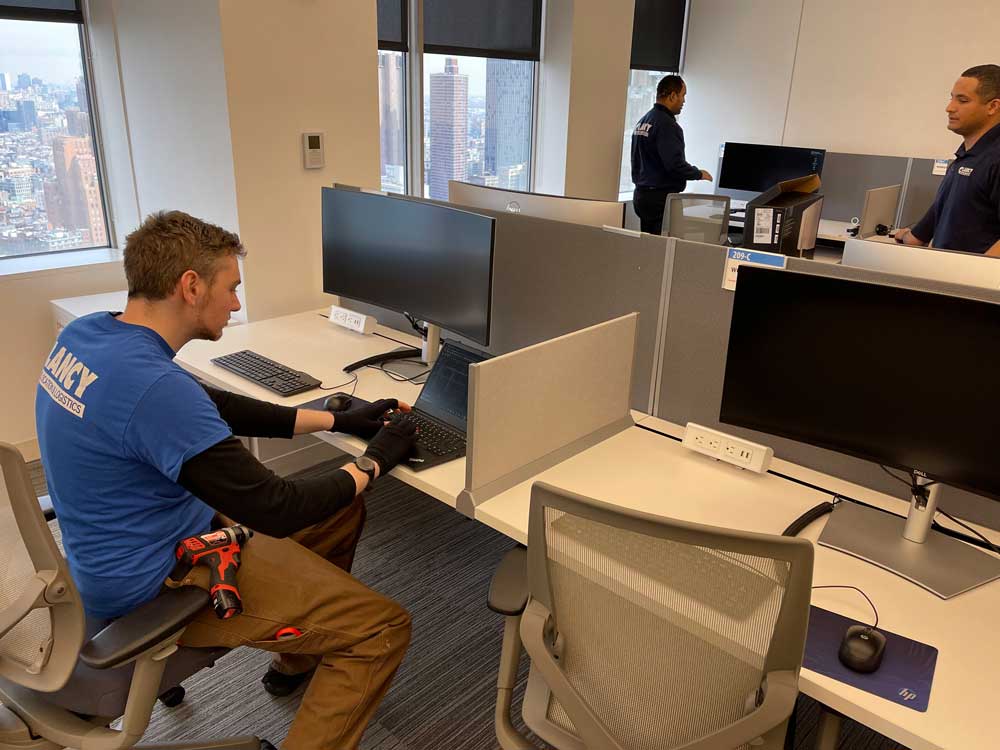
IT infrastructure and equipment setup play a crucial role in maintaining operations during business moving, as even a brief downtime can have significant financial consequences.
Coordinate With IT Staff Early
Engaging the IT team well before the move is essential for a smooth setup. IT professionals can help ensure that networks, servers, and communication systems are properly installed and tested.
- Assess Current IT Infrastructure: Review all hardware and software to determine what needs to be upgraded, replaced, or reconfigured in the new location.
- Develop a Transition Plan: Outline steps for disconnecting, transporting, and reconnecting IT systems while minimizing downtime.
Minimize Disruptions to Business Operations
A well-planned IT relocation strategy can prevent unnecessary delays and ensure that the company remains operational throughout the move.
- Schedule IT Setup Before Employee Arrival: Ensure that networks, computers, and phone systems are fully operational before employees begin working in the new space.
- Use Corporate Relocation Services: Professional business movers with expertise in IT relocation can handle sensitive equipment safely and efficiently.
- Implement Temporary Solutions: Set up remote work options or backup communication systems to maintain business continuity.
Test All Equipment Before Resuming Work
Verifying that all technology and equipment function correctly before resuming normal operations is critical for a successful transition.
- Check Network Connectivity: Ensure that internet and internal network connections are stable and secure.
- Verify Phone and Communication Systems: Test phone lines, email services, and conferencing tools to confirm functionality.
- Inspect Hardware and Peripherals: Confirm that all computers, printers, and other essential devices are working properly.
5. Use a Phased Moving Approach
Relocating a business can be a complex process, but using a phased moving approach can help minimize disruptions. This method ensures that operations continue smoothly while transitioning to a new location.
Move Non-Essential Departments First
One of the most effective business transition solutions in a phased move is to relocate non-essential departments first. This allows essential business functions to continue while other teams settle into the new space.
- Identify Non-Essential Departments: Departments that do not directly impact daily operations, such as HR, marketing, and administrative teams, can move first.
- Reduce Immediate Workload Shifts: Moving these teams early prevents overwhelming the company with multiple transitions at once.
- Test the New Location: The initial move provides an opportunity to identify and resolve potential issues before critical teams relocate.
Set Up the New Location While Keeping the Old One Functional
To prevent downtime, it is essential to ensure the new workspace is fully operational before moving all teams. This preparation phase helps avoid major disruptions.
- Install IT and Communication Systems: Setting up internet, phone lines, and internal networks in advance ensures seamless connectivity for employees.
- Arrange Workspaces Before Arrival: Offices, furniture, and essential equipment should be ready before employees move in, allowing them to resume work immediately.
6. Update Business Information and Notify Customers
Relocating a business requires more than just moving physical assets—it also involves keeping customers and stakeholders informed to ensure a seamless transition. Properly updating business information and communicating effectively can prevent service disruptions and maintain customer trust.
Change Business Address on Websites, Directories, and Documents
An updated business address ensures customers and partners can find the new location easily and helps maintain credibility. Updating all platforms promptly avoids confusion and lost business opportunities.
- Company Website: The new address should be prominently displayed on the homepage, contact page, and any location-specific landing pages.
- Online Business Directories: Platforms such as Google My Business, Yelp, and industry directories must be updated to reflect the new address. This helps maintain online visibility and prevents misinformation.
- Legal and Financial Documents: Ensure the new address is updated on business licenses, tax forms, bank accounts, and invoices to avoid compliance issues.
- Email Signatures and Marketing Materials: Employees should update their email signatures, and all marketing materials should reflect the new address for consistency.
Inform Customers About the Move
Clear communication about the move prevents misunderstandings and keeps customers engaged during the transition.
- Advance Notice: Customers should be informed well ahead of the move through emails, newsletters, and social media updates. Transparency about the timeline and potential service interruptions builds trust.
- Temporary Service Adjustments: If there will be delays or downtime, providing alternative solutions ensures business continuity. Professional business movers can help streamline the relocation process to minimize disruptions.
- Personalized Outreach: Key clients and partners may require direct communication, such as phone calls or personalized emails, to address concerns and reassure them of continued service.
Ensure Smooth Customer Service Continuity
Maintaining service quality during a business move is essential for customer retention and satisfaction.
- Dedicated Support Team: Assigning a team to handle customer inquiries related to the move ensures quick responses and effective problem-solving.
- Temporary Contact Methods: If phone lines or offices will be unavailable during the move, alternative contact methods such as a temporary hotline or live chat support should be in place.
- Post-Move Follow-Up: Once settled in the new location, sending a follow-up message to customers reinforces reliability and keeps them engaged with the brand.
Frequently Asked Questions
What should I do if unexpected problems arise during the move?
Unexpected issues can happen, but staying calm and flexible is key. Have a backup plan in case of delays, damaged items, or miscommunications. Keeping important contact numbers handy, such as movers, landlords, and service providers, can help resolve problems quickly. If the new space isn’t ready, temporary office solutions might be necessary. Clear communication with employees and clients can help manage expectations.
What should I do with old office furniture and equipment?
Decide what items are worth moving and what should be sold, donated, or discarded. If you have outdated or broken furniture, consider recycling or donating it to charities. Selling unused items can help recover some moving costs. Some businesses choose to upgrade their equipment instead of moving old items. If storage is an issue, renting a temporary storage unit might be a good solution.
How far in advance should I start planning my business move?
It’s best to start planning your business move at least three to six months in advance. This gives you enough time to find a suitable new location, coordinate logistics, and notify employees and clients. Early planning helps prevent last-minute surprises and ensures a smooth transition. You’ll also need time to sort out paperwork, update addresses, and set up utilities in the new space. Waiting too long may lead to rushed decisions and unnecessary stress.
How do I choose a new location for my business?
Choosing a new location depends on your business needs, budget, and accessibility. Consider how convenient it will be for your employees, clients, and suppliers. Check for necessary amenities, parking, and transportation options. Think about how the new location might affect your brand’s image and customer base. Research zoning laws and lease agreements to avoid future problems.
How do I inform my employees about the move?
It’s important to communicate with your employees as early as possible. A clear announcement explaining the reason for the move and expected timeline helps ease concerns. Be open to questions and feedback, as employees may have worries about commuting or workspace changes. Consider holding a meeting to discuss the move and keep everyone updated throughout the process. Providing assistance, such as relocation support or flexible schedules, can make the transition easier.
Ensure a Seamless Business Move with Expert Support!
Relocating a business can be complex, but it doesn’t have to disrupt operations. Clancy Relocation & Logistics specializes in business moving, providing tailored business transition solutions to minimize downtime and keep workflows uninterrupted. With a team of professional business movers and customized corporate relocation services, every step of the move is handled efficiently.
Get a customized moving plan today—contact Clancy Relocation & Logistics!