How to Prepare for a Cross Country Move Without Stress

Table of Contents

Key Takeaways

Early planning and organization reduce stress by keeping tasks and timelines under control.

Handling logistics and services in advance ensures a smooth transition on arrival.

Smart packing with quality materials and labels protects items and simplifies unpacking.

Staying rested, hydrated, and positive supports emotional and physical balance during the move.

Cross-country moves are challenging due to distance, coordination, and adjustment needs.

✔ Feeling nervous before moving is normal, but preparation helps build confidence.

To have a less stressful cross-country move, plan and organize early, declutter your belongings, research and book movers in advance, pack systematically with clearly labeled boxes, manage logistics like address changes and utilities promptly, and prepare a separate box of essentials for your arrival. Staying organized and tackling tasks gradually will prevent last-minute rushes and reduce feelings of overwhelm.

calling the movers

✔ Planning & Organization

Planning and organization are the backbone of every successful cross-country move. Before you start packing boxes or booking movers, take the time to plan carefully.

Start Early

The best advice for anyone asking how to prepare for a cross-country move is simple — start early. Giving yourself a head start sets the tone for a stress-free move. Ideally, begin 8–12 weeks before your moving date to allow time for research, organization, and decision-making.

Here’s why starting early matters:

  • Better scheduling: Get your preferred moving dates before they fill up.
  • More affordable rates: Early bookings often come with cost savings.
  • Less stress: You’ll avoid last-minute chaos and rushed packing.
  • Room for flexibility: Unexpected issues (like weather or work delays) won’t derail your plans.

Create a Plan

If you’re wondering how to move cross country without losing track of a hundred little details — the answer is a plan. Creating a master moving checklist keeps you organized and reduces the mental clutter that often comes with relocation.

Your moving plan should include:

  • Weekly task breakdowns: Assign clear deadlines for researching movers, gathering packing supplies, and finalizing contracts.
  • Administrative reminders: Schedule utility shutoffs, mail forwarding, and address updates.
  • Digital tracking tools: Use moving apps or spreadsheets to store contracts, receipts, and checklists in one place.
  • Communication log: Keep contact info for your moving company, real estate agent, and landlord easily accessible.

Budget

A cross-country move is a major financial commitment, and most Americans exceed their budget — with 4 in 5 spending about $1,000 more than planned. Setting a realistic budget and tracking expenses carefully helps prevent surprises and keeps the move financially manageable.

Here’s how to create a realistic moving budget:

  • List all major expenses: Include transportation, gas, packing materials, moving valuation, lodging, and meals.
  • Request early quotes: Get a transparent estimate from Clancy Relocation & Logistics to understand costs upfront.
  • Set aside a cushion: Plan for unexpected expenses (like repairs, storage, or extra travel days).
  • Track spending: Use a spreadsheet or budgeting app to log payments and monitor expenses.

Declutter

Before packing a single box, take time to declutter. Reducing what you move saves time, space, and money — especially for a long-distance or cross-country move.

Decluttering tips for a smooth transition:

  • Sort by category: Work through one room at a time. Label items as keep, donate, sell, or discard.
  • Sell online: List gently used furniture or decor on Facebook Marketplace or local classifieds.
  • Donate with purpose: Give clothes, books, or kitchen items to local charities or shelters.
  • Lighten your load: The fewer items that travel with you, the easier the unpacking process becomes — a key step in finding the best way to move cross country efficiently and stress-free.
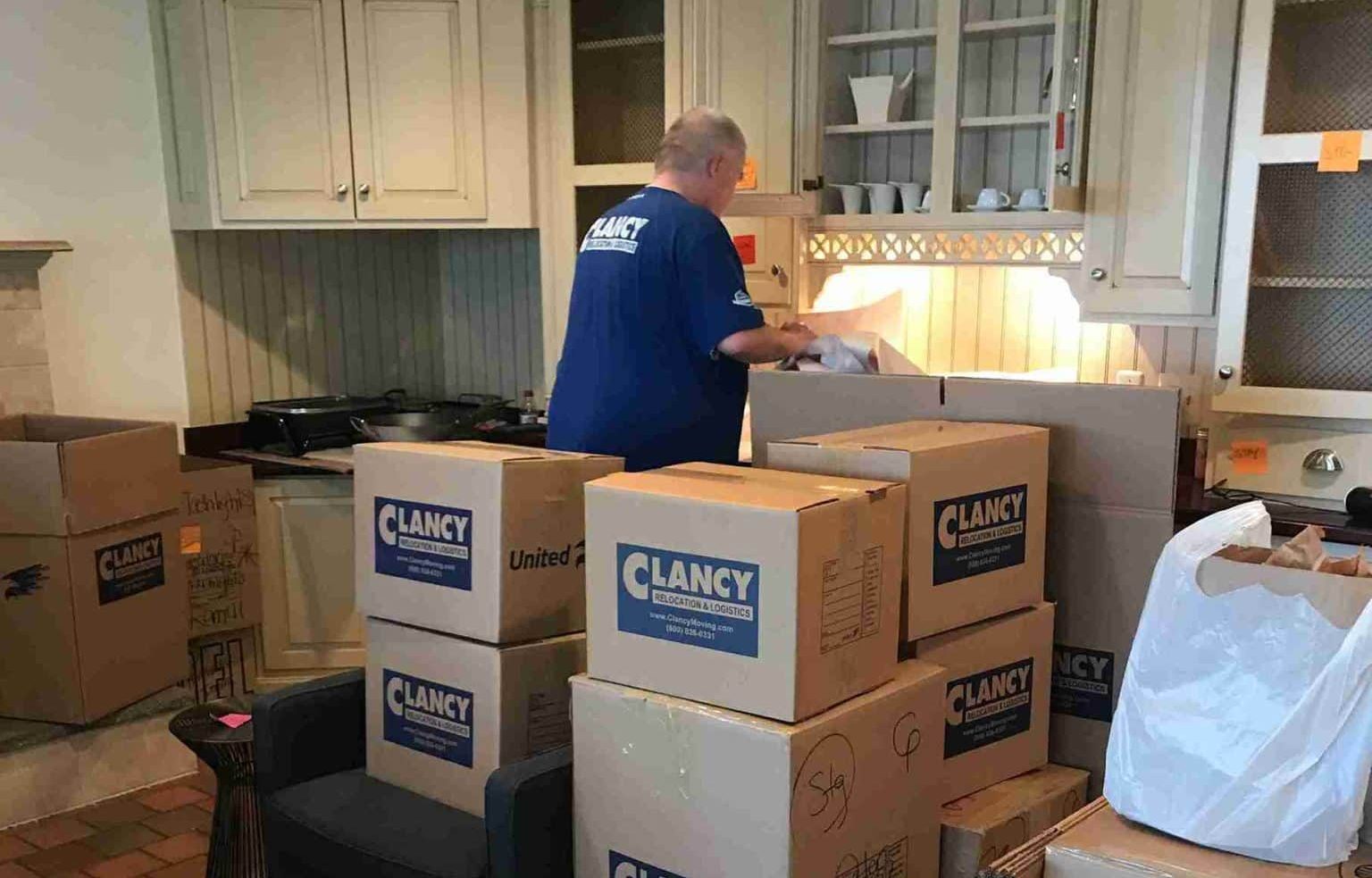
man carefully packing the items

✔ Logistics & Services

✔ Emotional & Physical Well-being

Once your plan is in motion, the next stage of preparing for a cross-country move is managing the logistics. From booking movers to securing utilities, these behind-the-scenes details determine how smooth your moving experience will be.

Book Movers

When exploring the best way to move cross country, one thing is certain: professional movers make all the difference. Instead of juggling transportation, loading, and logistics on your own, partnering with an experienced company like Clancy Relocation & Logistics ensures your move runs efficiently from start to finish.

Here’s why hiring professionals pays off:

  • Licensed and valuated services: Your belongings are protected every mile of the journey.
  • End-to-end coordination: From packing to delivery, everything is managed seamlessly.
  • Less physical strain: Let professionals handle the heavy lifting safely and efficiently.
  • Saves time and energy: Focus on your family, career, or settling in — not logistics.

Secure Services and Update Addresses

Managing essential services and address changes ahead of a cross-country move ensures a smooth transition and a fully functional home upon arrival. Coordinating these details early helps avoid disruptions and keeps everything running seamlessly.

Checklist for key updates and services:

  • Utilities: Schedule electricity, gas, and water connections before move-in.
  • Internet and cable: Arrange installation early to stay connected.
  • Vehicle transport: Plan auto shipping if not driving long-distance.
  • Cleaning and maintenance: Schedule services for both old and new homes.
  • Address changes: Notify the post office, banks, valuation providers, and subscription services to redirect mail and prevent interruptions.

✔ Packing

When learning how to prepare for a cross-country move, smart packing is key. How well you pack determines how smoothly your move goes, how protected your belongings are, and how stress-free your unpacking experience will be.

Pack Systematically

When figuring out how to move cross country efficiently, organization is everything. Packing in a structured, methodical way helps you stay sane before, during, and after your move.

Tips for packing systematically:

  • Go room by room: Focus on one area at a time — start with less-used spaces like guest rooms or basements.
  • Group similar items: Keep like items together (e.g., kitchen utensils, books, decor).
  • Create an inventory list: Track what’s in each box for easier unpacking and valuation purposes.
  • Label each room clearly: Mark boxes as kitchen, bedroom, bathroom, or fragile to guide movers.
  • Plan ahead: Begin packing non-essentials first and finish with daily-use items closer to moving day.

Use Quality Supplies

The quality of your packing materials can make or break your cross-country move. Cutting corners on supplies can lead to damage, frustration, and unnecessary costs. Investing in strong, reliable materials is worth every penny.

Essentials for high-quality packing:

  • Sturdy boxes: Choose double-walled cardboard for heavy or fragile items.
  • Protective materials: Use bubble wrap, packing paper, or foam sheets for delicate pieces.
  • Heavy-duty tape: Reinforce box seams and corners to prevent bursting during transit.
  • Specialty containers: Consider wardrobe boxes for clothes, dish packs for kitchenware, and TV boxes for electronics.
  • Professional services: Opt for expert packing from Clancy Relocation & Logistics to guarantee safety and efficiency.

Label Clearly

Clear labeling might seem simple, but it’s one of the most effective ways to stay organized during a cross-country move. When every box is clearly marked, your movers can unload quickly and you’ll save hours of confusion while unpacking.

Labeling tips for success:

  • Use bold, legible markers: Write large enough to be read from a distance.
  • Label multiple sides: So the label is visible no matter how the box is stacked.
  • Color-code rooms: Use colored tape or stickers to represent different areas of the home.
  • Number your boxes: Match each box to your inventory list for easy tracking.
  • Mark fragile boxes: Highlight with “Fragile” or “Handle With Care” labels to ensure safe handling.

Create an Essentials Kit

Every successful cross-country move requires an “open-first” or essentials box — the survival kit that keeps you comfortable during travel and your first night at your new home.

What to include in your essentials kit:

  • Personal items: Toiletries, medications, and a change of clothes.
  • Electronics: Chargers, power banks, and small gadgets.
  • Snacks and water: Keep yourself fueled during the move.
  • Important documents: IDs, contracts, valuation papers, and moving paperwork.
  • Everyday basics: Paper towels, cleaning wipes, trash bags, and a few utensils.
A cross-country move isn’t just a physical challenge — it’s also an emotional journey. Between farewells, logistics, and adjusting to new surroundings, maintaining well-being can be difficult. Studies show that anxiety (53%) and excitement (52%) are the most common emotions people experience during the moving process, highlighting how relocation often blends stress with anticipation for what’s ahead.

Stay Flexible and Manage Stress

Unexpected delays or changes can happen during any relocation. Staying adaptable and caring for well-being keeps the process smoother and less stressful.

  • Build flexibility: Leave extra time for delays — it’s part of the best way to move cross country efficiently.
  • Have backups: Plan alternatives for travel, delivery, or housing.
  • Stay in touch: Communicate regularly with Clancy Relocation & Logistics for updates.
  • Prioritize health: Rest, eat well, and stay hydrated throughout the move.
  • Rely on professionals: Let movers handle packing, lifting, and transport safely.

Why Is Cross Country Moving So Difficult?

A cross country move is a full-scale lifestyle transition. The sheer distance means more planning, more logistics, and more opportunities for things to go wrong if you’re unprepared.

Unlike local moves, cross-country moves involve coordinating shipping schedules, managing timelines, handling utilities, and often adapting to a completely new environment. The physical exhaustion of packing and travel adds another layer of stress.

But the good news? When you know how to move cross country efficiently — and partner with professionals who do this every day — the process becomes manageable, predictable, and far less stressful.

Is It Normal to Be Nervous Before Moving?

Absolutely. Feeling anxious before a big move is completely normal. You’re leaving behind familiarity, comfort, and routines. It’s natural to feel nervous about what lies ahead.

However, those nerves often stem from uncertainty — and preparation is the best cure for uncertainty. When you follow a structured plan for how to prepare for a cross country move, you’ll find that clarity and confidence replace anxiety.

Remember: Moving cross-country is more than a physical journey — it’s emotional. So, allow yourself to feel excited, nervous, and hopeful all at once. That’s what growth feels like.

Frequently Asked Questions

How far in advance should a cross-country move be scheduled?

It’s best to book as early as possible once the move date is known. Reserving several weeks or months in advance ensures availability and provides time to organize logistics, gather supplies, and confirm key details with the movers.

Fragile items like glassware or artwork should be packed with quality materials and clearly labeled. Professional packing services help ensure proper handling, and reputable movers offer valuation coverage for added peace of mind.

Moving can be tough for children, especially when leaving familiar places. Keeping routines consistent, involving them in packing, and maintaining a positive tone helps them feel more secure and excited about the new home.

Timing depends on distance, route, and conditions. Most cross-country moves take anywhere from several days to a few weeks. Staying in touch with the moving company helps keep expectations realistic.

Start by checking that all items arrived safely, then unpack essentials first. Setting up key spaces like bedrooms and the kitchen helps create comfort quickly before settling in at an easier pace.

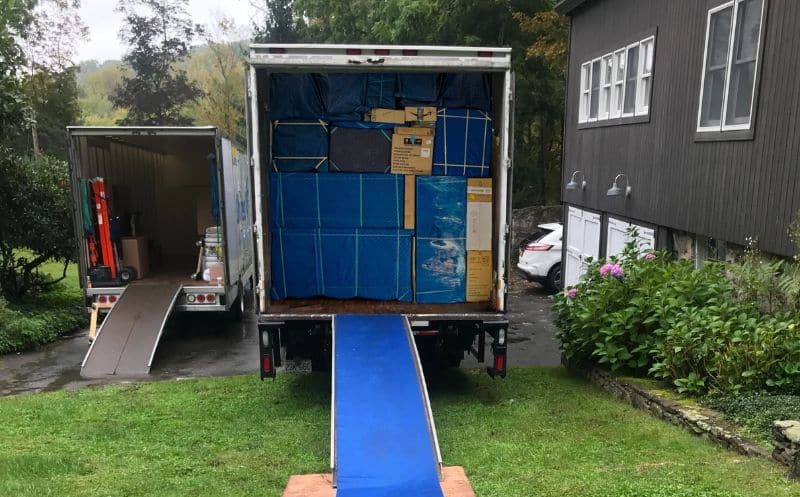
neatly packed moving truck

Coordinate Every Step of a Cross-Country Move with Expertise!

Long-distance relocations demand planning, precision, and trusted support. Clancy Relocation & Logistics manages every stage of a cross-country move — from careful packing and secure transport to on-time delivery — ensuring belongings arrive safely and efficiently. With a focus on communication, protection, and reliability, each move is handled with the professionalism it deserves.

Contact Clancy Relocation & Logistics today to arrange expert assistance for a seamless cross-country relocation.

Most Popular

Most Popular