
Table of Contents
7 Secrets for a Stress-Free Cross-Country Move
- Plan Early and Stay Organized
- Declutter Before Packing
- Research and Book Movers in Advance
- Pack Efficiently With a System
- Consider These Budget-Friendly Moving Tips
- Handle Utilities and Address Changes Early
- Prepare for the First Few Days
Make Cross Country Moving Easier With Expert Support!
Key Takeaways✔ Plan early and build a timeline to stay on schedule. ✔ Declutter before packing to cut costs and reduce stress. ✔ Book reputable movers in advance to secure better rates and availability. ✔ Pack room-by-room and label clearly for easier unpacking. ✔ Use free supplies and track costs to stay on budget. ✔ Schedule utility changes and update addresses ahead of time. ✔ Pack essentials separately for easy access during the first days. |
Moving across the country can be exciting, but it also comes with major challenges that can quickly become overwhelming. In fact, in a recent survey of 1,000 Americans who had recently relocated, 45% said moving ranked as the most stressful event they’ve experienced.
Between planning, packing, budgeting, and adjusting to a new place, it’s no surprise that many people find the process stressful.
Here are seven smart and stress-free ways to make a cross country move more manageable from start to finish.
7 Secrets for a Stress-Free Cross-Country Move
1. Plan Early and Stay Organized
Getting ready for a cross country move takes more than just packing boxes. It starts with having a solid plan. When someone plans early and stays organized, it helps cut down stress, saves time, and avoids last-minute surprises.
Build a Timeline That Works
A timeline is like a personal roadmap for the move. It helps track every step, so nothing gets missed when figuring out how to move across the country.
- Choose a Target Move Date: Pick a moving date based on lease terms, job start dates, or school schedules, then work backwards to plan key tasks. Doing so provides structure and helps manage time effectively during packing for a long distance move.
- Break the Move Into Weekly Tasks: Spread responsibilities like decluttering, getting quotes, and booking movers over a few weeks. Tackling small steps weekly prevents burnout and avoids last-minute chaos, especially when using cross country moving companies.
- Add Time Buffers for Delays: Life happens—weather, traffic, or paperwork delays can pop up without warning. Adding a few buffer days to the schedule protects the plan and offers flexibility, which is useful when moving cross country on a budget.
Create a Moving Checklist
A checklist keeps everything in one place. It shows what’s done and what’s still left to do—critical when organizing how to plan a cross country move.
- List Everything That Needs To Be Done: Write down every task, from transferring utilities to gathering free boxes. This gives a full view of what’s ahead and reduces the chance of forgetting important steps.
- Use Categories for Clarity: Divide the checklist into clear sections like documents, packing supplies, and service calls. Categorizing tasks makes the list easier to follow and ensures a more efficient long distance move.
- Use a Digital Tool or Notebook: Choose a method that fits the mover’s style—whether it’s a checklist app, spreadsheet, or handwritten notebook. Easy access means tasks can be tracked and updated at any time, especially during busy moving weeks
Set Clear Goals and Deadlines
Goals and deadlines help keep everything moving forward. They’re essential for staying motivated and maintaining order while preparing for how to move across the country.
- Assign Due Dates to Each Task: Set specific deadlines for actions like booking movers, starting packing, or confirming travel plans. This provides structure and helps measure real progress when working through a cross country move.
- Make Goals Realistic and Specific: Avoid vague goals—say “pack the garage by Friday” instead of “start packing soon.” Clear goals are easier to stick to and help balance time and energy more efficiently.
- Track Progress Each Week: Set aside time weekly to review what’s been done and what’s still pending. Monitoring progress ensures nothing falls behind and keeps momentum going, especially helpful when moving cross country on a budget.
2. Declutter Before Packing
Before filling boxes, it’s important to lighten the load by getting rid of what’s no longer needed. Decluttering not only makes packing for a long distance move easier and more affordable, but also helps reduce stress, as studies show that cluttered spaces often increase stress levels..
Why Minimizing Matters
Letting go of unused items means fewer things to pack, carry, and unpack later. This makes the entire process simpler and can reduce overall moving costs, especially with cross country moving companies that charge by weight or volume.
- Save Time and Energy: With fewer items to manage, packing and unpacking becomes quicker and less stressful. It also allows more focus on essential belongings.
- Lower the Cost of Moving: Getting rid of excess items can lower transportation costs, which is key when moving cross country on a budget. Most movers charge based on space or weight, so less stuff often means lower prices.
Smart Ways To Let Things Go
Not everything has to be thrown away—many things can be given a second life through donations, sales, or recycling. Knowing how to sort through belongings is an important part of how to plan a cross country move.
- Donate Usable Items: Gently used clothes, books, and kitchenware can be dropped off at local charities or thrift stores. Donating lightens the load and helps others in need.
- Sell Things You Don’t Use: Unused furniture, electronics, or tools can be sold online or at a garage sale. This adds extra cash for the move, which is useful when moving cross country on a budget.
- Toss What’s Worn Out or Broken: Items that are damaged or no longer usable should be recycled or thrown away. Holding on to them just adds clutter and increases packing time
Pro Tip: Let the Experts Help
Decluttering before a big move is easier with support from a trusted moving company. Clancy Relocation & Logistics not only offers reliable long-distance moving services—they also help streamline the entire process, from packing guidance to efficient transport. Their experienced team can offer tips to make downsizing less stressful and your move more cost-effective.
3. Research and Book Movers in Advance
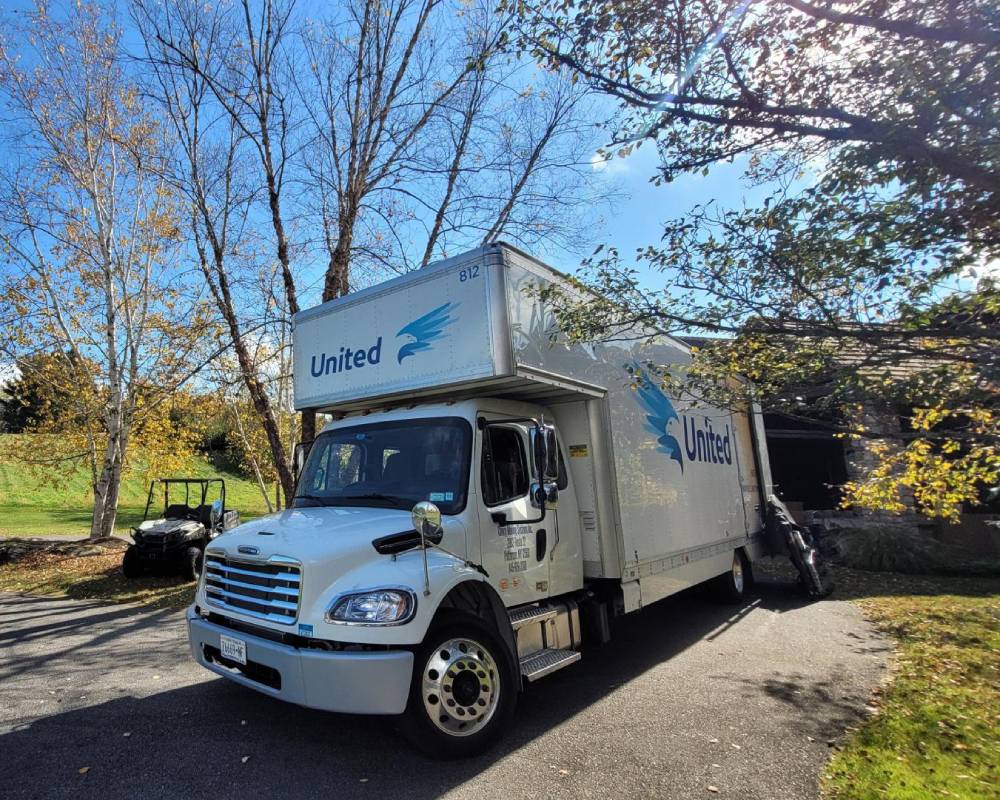
One of the most important steps in how to move across the country is choosing the right help. Booking movers early gives better options, better prices, and more time to prepare.
Full-Service Movers vs. DIY Options
Picking between professional movers and doing it yourself depends on budget, time, and comfort with heavy lifting. Each choice has its own benefits and trade-offs when planning a long-distance move.
- Hire Full-Service Movers for Convenience: These companies handle everything from loading to transport and unloading. They’re ideal for busy schedules or large households, especially when working with trusted cross country moving companies.
- Go DIY To Save Money: Renting a moving truck and doing the work personally can be cheaper. This is a smart route for anyone focused on moving cross country on a budget, as long as they’re ready for physical labor and planning.
Check Reviews and Credentials
Not all movers are the same, so it’s important to look closely before making a decision. Doing the homework early helps avoid scams, delays, and damaged items.
- Read Online Reviews from Real Customers: Review sites and forums give honest feedback on reliability, professionalism, and service quality. This helps people choose companies with proven experience in packing for a long distance move.
- Verify Licenses and Valuation: Always check if the company is registered with the U.S. Department of Transportation and carries proper valuation. This protects belongings and confirms the company is legit, which is key when learning how to plan a cross country move.
4. Pack Efficiently With a System
Once the planning is complete, packing becomes the next major task. A clear system helps keep everything organized—especially during a long-distance move, where misplaced items can lead to frustration and delays. Creating structure from the start ensures a smoother transition and less stress along the way.
Find professional movers that offer packing and crating services designed to simplify this process—helping ensure your items are protected, sorted, and efficiently prepared for transport.
Label Boxes Clearly
Marking boxes the right way makes unpacking faster and prevents confusion during the move. It also helps cross country moving companies handle items with better care.
- Include Room and Contents on Each Box: Write the room name and list a few key items on each label. This saves time when unloading and helps find things quickly in the new home.
- Use ‘Fragile’ and ‘Priority’ Labels When Needed: Mark boxes with breakable items or things needed immediately. Movers can then load these last and unload them first, reducing the risk of damage.
Pack Room-By-Room With a Color Code
Packing one area at a time avoids mixing items from different rooms, which can make unpacking frustrating. Adding color codes brings even more clarity to the system.
- Assign Each Room a Different Color: Use colored tape, stickers, or markers to represent each room—for example, blue for the kitchen or red for the bedroom. Since colored objects are more easily recognized and remembered than shapes alone, this method helps movers quickly identify where each box belongs in the new home.
- Finish One Room Before Starting the Next: Packing one room at a time keeps things manageable. It also helps people stay on track and avoid losing items, especially when planning how to move across the country efficiently.
5. Consider These Budget-Friendly Moving Tips
Moving doesn’t have to drain the wallet. With some smart planning, it’s possible to cut costs and stay on track—key for anyone moving cross country on a budget.
Find Free or Low-Cost Packing Materials
Packing supplies can get expensive, but there are ways to gather what’s needed without spending much. This step helps stretch the budget without cutting corners.
- Collect Free Boxes from Stores or Online Groups: Grocery stores, bookstores, or community marketplaces often give away boxes for free. This reduces supply costs, which matters when moving cross country on a budget.
- Reuse Household Items as Packing Materials: Towels, blankets, and clothing can cushion fragile items. This approach saves money and cuts down on waste.
Track All Moving Costs
Keeping a close eye on spending helps prevent budget surprises. Tracking costs gives a full picture of what’s been spent and what’s left.
- Use a Budget Sheet or App: Record every cost, from supplies and gas to tips and meals. This gives better control over finances when planning a cross country move.
- Compare Quotes Before Booking: Always collect at least three quotes from different companies before deciding. This ensures the best deal when choosing between cross country moving companies or other services.
6. Handle Utilities and Address Changes Early
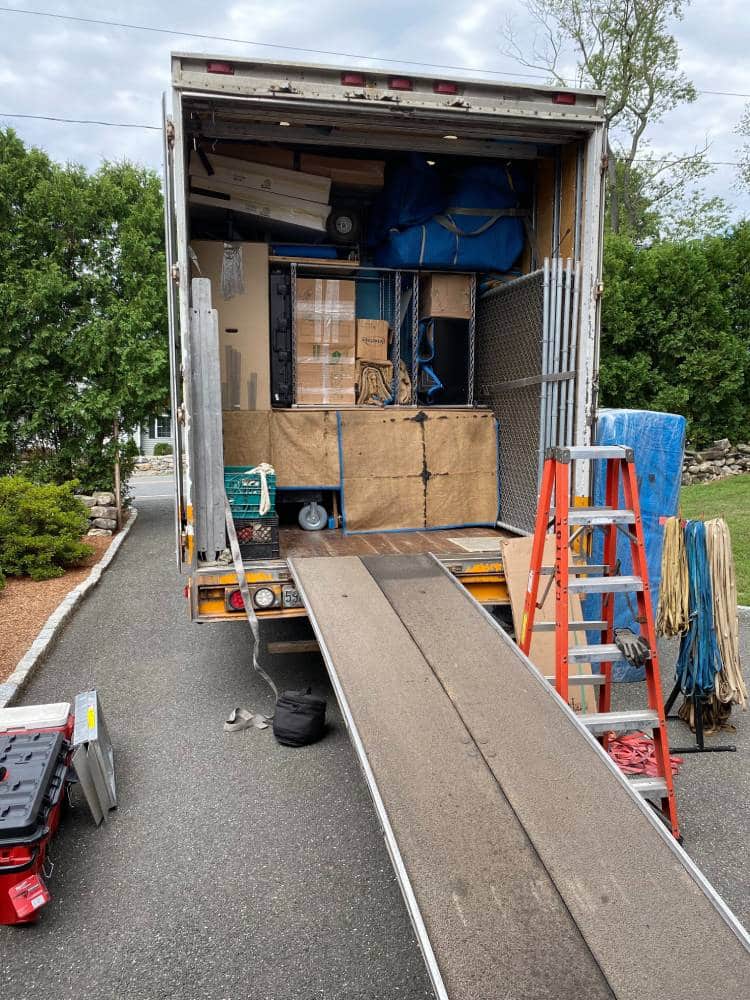
Taking care of utilities and address updates early helps prevent interruptions in service and lost mail. It’s one of the most overlooked but important parts of how to move across the country the smart way.
Schedule Disconnection and Reconnection
Making sure utilities are stopped at the old home and started at the new one is key to a smooth transition. Doing this in advance avoids last-minute calls and surprises on move-in day.
- Contact Utility Providers Ahead of Time: Schedule shut-off dates for electricity, water, internet, and gas before moving out. Setting this up early avoids paying for extra days of service after leaving.
- Set Start Dates at the New Home: Arrange for utilities to be active on move-in day to ensure comfort and convenience. This is especially important when moving cross country on a budget—nobody wants to pay rush fees for late setups.
Update All Important Addresses
Changing the address with all the right places helps ensure bills, services, and mail reach the new home. It’s a critical step in how to plan a cross country move that often gets forgotten.
- Submit a Change of Address with USPS: The U.S. Postal Service can forward mail for up to a year. This keeps important letters or packages from being lost during the move.
- Notify Banks, Subscriptions, and Employers: Let credit card companies, banks, doctors, schools, and any subscription services know the new address. Keeping accounts updated protects personal info and avoids service issues.
7. Prepare for the First Few Days
Getting through the first few days in a new home is much easier with some essentials ready to go. This helps avoid the stress of digging through boxes for toothpaste, clothes, or phone chargers after a long packing for a long distance move.
Pack an Essentials Box or Bag
An essentials bag holds all the items needed right away during the first night or two. This is especially helpful if the moving truck arrives after the movers or if the trip takes a few days.
- Include Daily Must-Haves: Pack toiletries, chargers, snacks, a change of clothes, basic tools, and important documents. This small bag or box makes the first 24–48 hours more comfortable, especially after a long journey.
- Keep It With You During the Move: Carry the bag separately in a car or personal luggage, not on the moving truck. Doing so avoids the stress of lost or delayed boxes, which is a risk during long distance moving.
Plan for Rest Stops or Overnight Stays
Cross country drives often take several days, so it’s important to plan where to stop and rest. Comfort and safety matter, especially when moving with kids or pets.
- Book Hotels or Stops Ahead of Time: Planning rest stops before leaving helps avoid full hotels or long detours. This keeps the drive smoother and more manageable, especially for those figuring out how to move across the country by car.
- Plan Meals and Fuel Stops: Mapping out fuel, food, and rest areas helps prevent long stretches without service. Having a plan makes the drive less stressful and supports a more organized trip overall.
Frequently Asked Questions
What qualifies as a cross country move?
A cross country move typically involves relocating from one state to another, often spanning several hundred or thousands of miles across the U.S. It generally refers to any move that crosses multiple state lines, especially coast-to-coast or across major regions. These moves require more planning, time, and coordination than local or regional moves. Most cross country moving companies consider any move over 400 miles as long-distance or cross-country.
How to move across the country and start over?
To move across the country and start over, begin by researching your new location, setting a realistic budget, and creating a moving plan. Declutter, pack efficiently, and choose affordable moving options like containers or freight trailers. Once you arrive, focus on setting up a stable routine, connecting with the community, and handling essentials like housing and employment. Starting fresh takes planning, but it’s manageable with the right approach to how to move across the country.
What is the cheapest way to move across country?
The cheapest way to move across country is usually by renting a moving truck and handling the packing, loading, and driving yourself. This DIY approach is cost-effective, especially when enlisting friends or family for help. If you have fewer belongings, shipping boxes through consolidated freight or bus parcel services can be even more budget-friendly. These methods are ideal for anyone moving cross country on a budget.
How much money should I have to move across the country?
A cross country move typically costs between $2,400 and $7,000, depending on distance, service type, and how much you’re moving. On average, most people spend around $4,600 for a full-service move. It’s wise to budget for extra costs like fuel, lodging, meals, and unexpected fees. For more accurate rates, especially when booking moving help, always compare quotes and check trusted providers like Clancy Relocation & Logistics, as cross country moving companies vary widely in pricing.
How much does it typically cost to move across country?
The average cost for a cross country move is about $7,780, with most moves ranging between $4,400 and $17,000 depending on distance, volume, and services. Costs go up for full-service movers and large shipments. DIY moves can significantly reduce expenses if planned well. When comparing prices, it’s important to contact reputable companies like Clancy Relocation & Logistics for accurate quotes, since cross country moving companies differ in fees, services, and availability.
Make Cross Country Moving Easier With Expert Support!
Take the stress out of long-distance relocation with the trusted experience of Clancy Relocation & Logistics. From planning and packing to transportation and delivery, every step is handled with care, precision, and reliability. Whether it’s a full household move or just a few key items, the right support makes all the difference with a cross country transition.