
A cross-country move can be exciting but also overwhelming due to the many details involved. Without careful planning, it’s easy to become stressed by the logistics of the journey. Careful organization, early preparation, and reliable help make the difference between a stressful experience and a smooth transition. Knowing how to plan a successful cross-country move step by step helps avoid delays, unnecessary costs, and last-minute problems.
Here are six essential steps to set the move on the right path from day one.
Table of Contents
Key Takeaways
✔ Start planning a cross-country move early to stay organized and avoid last-minute stress.
✔ Create a detailed timeline that covers every stage from packing to delivery.
✔ Use professional packing services to protect belongings during long-distance transport.
✔ Choose an FMCSA-registered mover with a USDOT Number for safety and compliance.
✔ Climate-controlled storage protects temperature-sensitive and high-value items in transit.
✔ Avoid overloading boxes and prepare specialty items with the right handling methods.
✔ Review and confirm all moving details in writing before the journey begins.
How to Plan A Successful Cross-Country Move: 6 Essential Steps
1. Create a Clear Timeline and Moving Plan
A cross-country move runs more smoothly when there’s a clear roadmap from start to finish. Without a set plan, tasks can pile up and cause unnecessary stress or delays. Taking time early on to map out the process ensures every stage fits into a realistic schedule and supports how to plan a successful cross-country move step by step.
How to Build an Effective Moving Timeline
- Set a Target Move Date Early: Choosing a move date at least 8–12 weeks in advance allows enough time to secure a reputable moving company, arrange travel, and organize packing. This lead time also helps avoid last-minute booking issues that can increase costs.
- Work Backward from the Move Date: By identifying key deadlines—such as when to start packing, schedule utility changes, or confirm storage arrangements—nothing gets left to the last minute. Working backward ensures that each task has a realistic timeframe and prevents the common rush that leads to mistakes.
- Include Buffer Time for Unplanned Changes: Weather delays, business scheduling conflicts, or unforeseen personal obligations can impact even the most organized move. Building in a few extra days between critical steps provides flexibility without disrupting the entire timeline.
2. Take Inventory and Declutter Before Packing
Part of knowing how to plan a successful cross-country move step by step involves a thorough inventory that determines what truly needs to make the trip and what can be sold, donated, or discarded. This step also helps determine what are the best tips for packing during a cross-country move because fewer items mean less to wrap, load, and transport.
How to Sort and Declutter Items Effectively
- Separate Essentials from Unnecessary Items: Go room by room and create a list of furniture, electronics, and personal belongings to take. Items that no longer serve a purpose—such as unused kitchen appliances or outdated office equipment—should be removed to save space and reduce moving costs.
- Use the Opportunity to Downsize: Hosting a garage sale, listing items online, or donating to local charities can help offset moving expenses while helping others. For businesses, selling surplus desks, chairs, or storage units before the move prevents unnecessary transportation costs.
- Plan Storage for Items That Can’t Move Immediately: Climate-controlled storage is ideal for items like sensitive electronics, artwork, or seasonal inventory that won’t be needed right away. This ensures those belongings are protected from extreme temperatures or humidity until they’re ready to be delivered.
3. Pack for Protection and Efficiency
In knowing how to plan a successful cross-country move step by step, learning smart packing methods are essential. These techniques not only protect your belongings during the long journey but also ensure that everything arrives at your new home or office in perfect condition.
How to Prepare for Packing a Cross-Country Move
- Determine What Requires Special Handling: Identify belongings that will need extra protection or specific transport conditions, such as climate-sensitive electronics, delicate instruments, or oversized furniture. Knowing this early allows time to arrange the right materials or professional help.
- Set a Packing Schedule That Matches the Moving Timeline: Link the packing process to the overall moving plan by assigning specific dates for each area of the home or business. This keeps the workload manageable and prevents critical areas from being rushed at the end.
- Confirm Storage or Staging Needs in Advance: For items that won’t be moved directly into the new space, arrange climate-controlled storage ahead of time. This step ensures those possessions remain protected and ready when needed.
4. Choose a Licensed, Experienced Moving Company
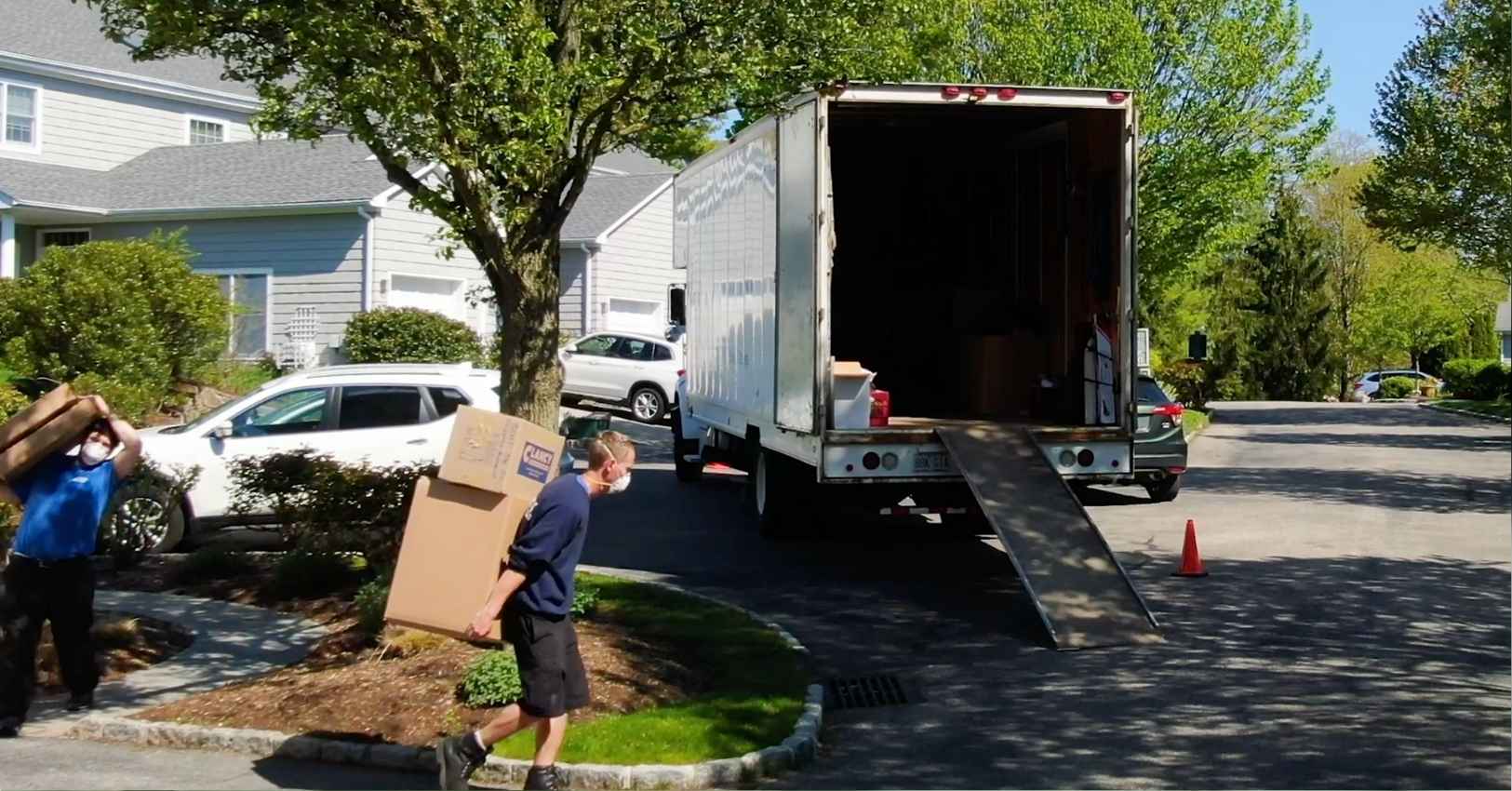
Studies show that top-performing services often have ratings between 4.2 and 4.7. However, ratings alone aren’t the sole indicator of quality. FMCSA registration and a USDOT Number ensure the company meets federal safety and operational standards, and understanding how professional movers handle a cross-country move for businesses highlights the value of licensing, experience, and specialized services.
How to Assess License and Experience
- Verify Credentials and Compliance: FMCSA-registered movers are legally authorized for interstate transport, and a USDOT Number allows tracking for safety performance. Without these, the move risks delays, penalties, or loss of goods.
- Assess Experience with Similar Moves: A business move with server racks and office furniture requires different skills than relocating a family household. For example, experienced commercial movers know how to decommission electronics and transport them securely without interrupting operations.
- Understand Valuation and Coverage Options: Professional movers should offer valuation protection to cover potential loss or damage. Selecting the right coverage provides peace of mind for valuable equipment, personal keepsakes, and everything in between.
5. Coordinate Logistics and Transportation Details
A cross-country move involves more than loading a truck—it’s a sequence of coordinated steps. Knowing how professional movers handle a cross-country move for businesses reveals the behind-the-scenes planning needed for smooth execution.
How to Manage the Moving Process Effectively
- Create a Transportation Schedule: Align pickup, transit, and delivery dates to match both the move-out and move-in timelines. This prevents storage overflow or gaps where belongings arrive before the new location is ready.
- Account for Special Handling Needs: Certain items—such as medical equipment, climate-sensitive inventory, or oversized furniture—require tailored transport arrangements. For example, refrigerated units may need constant power during transit to avoid spoilage.
- Maintain Regular Communication with the Moving Coordinator: Updates on location, estimated arrival times, and any route changes ensure everyone stays informed. This communication is vital for business moves, where even minor delays can impact daily operations.
6. Stay Focused Through the Final Stages
A cross-country move isn’t complete until the final box is in place and everything is accounted for. The final stage requires just as much attention as the early planning to ensure that the transition into the new space is efficient and stress-free. Maintaining this focus supports how to plan a successful cross-country move step by step by ending the process on a strong note.
How to Complete the Final Stages of the Move
- Supervise Unloading and Placement: Having someone on-site to guide the movers ensures each box and piece of furniture is placed in the right room. This prevents the frustration of heavy lifting after the movers leave and speeds up settling in.
- Cross-Check Inventory Immediately: Matching delivered items against the moving manifest helps confirm nothing was lost or left behind. Addressing any discrepancies right away makes it easier for the moving team to locate missing pieces.
- Prioritize Setup of Essential Areas: Focus first on arranging key spaces like the kitchen, bedroom, or main work area. Getting these functions early helps create a sense of order and comfort during the first few days in the new location.
What Are the Best Tips for Packing During a Country Move?
In 2022, over eight million Americans made interstate moves, and for each one, packing was a crucial step. While many choose to pack on their own, professional packing services offer the right materials, proven techniques, and efficiency that can be hard to match.
These six strategies highlight what are the best tips for packing during a cross-country move:
1. Trust Professional-Grade Packing Supplies
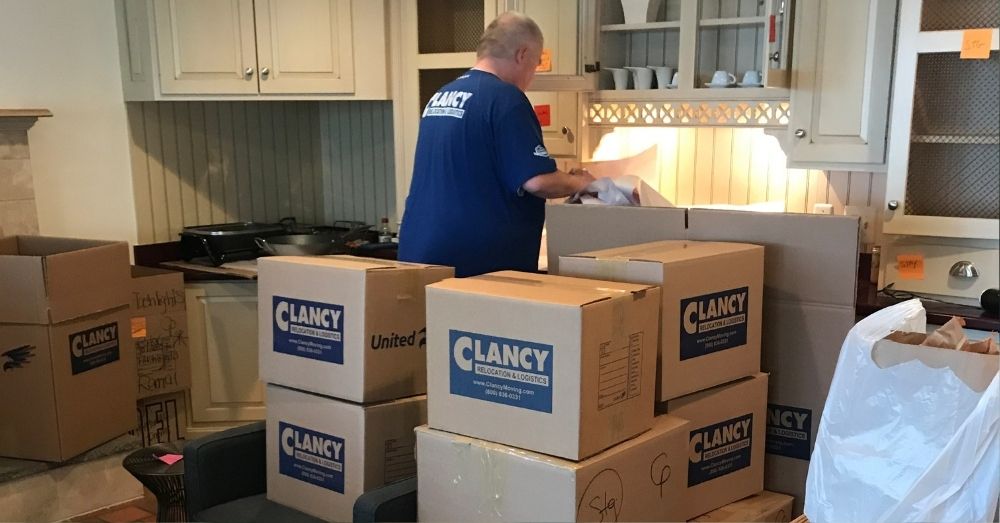
Long-distance moving can expose boxes to shifting loads, multiple transfers, and varying temperatures. When asking how professional movers handle a cross-country move for businesses, the answer involves the use of top-grade supplies. Professional packers use double-walled boxes, reinforced sealing tape, and commercial-grade cushioning to withstand these challenges. Choosing the right supplies—or letting a moving crew bring them—is one of the best moving tips to follow.
2. Let Experts Protect Fragile and Irreplaceable Items
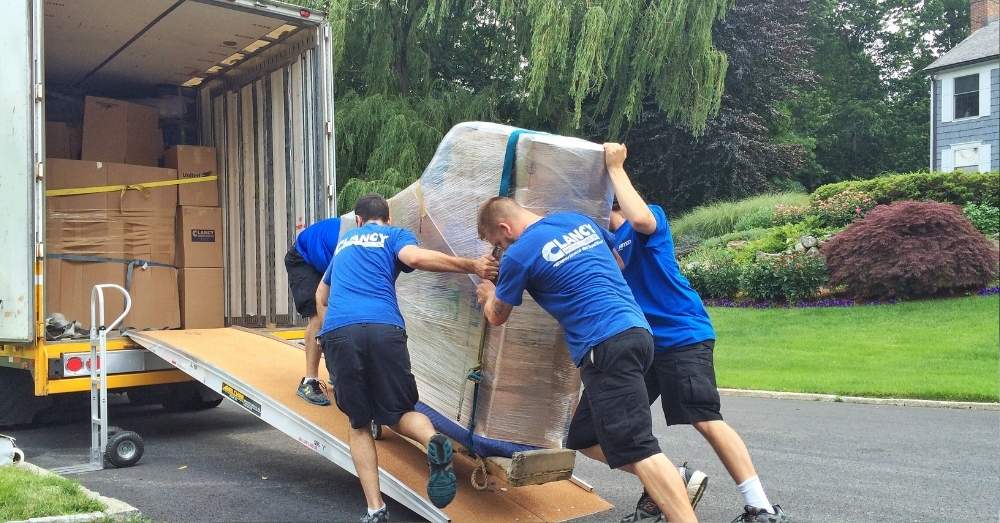
Packing fragile items requires more than bubble wrap—it calls for methodical wrapping, custom padding, and secure placement inside the truck. Professional movers have the training to safeguard glassware, antiques, and sensitive electronics through every stage of transport. When identifying what are the best tips for packing during a cross-country move, this level of precision is a core example.
3. Use a Detailed and Professional Labeling System
Clear labeling indicates where a box belongs and how it should be handled. Experienced packing teams create labels that include the room, contents, and handling notes, ensuring items are placed exactly where they’re needed. This kind of precision planning is consistently ranked among what are the best tips for packing during a cross-country move.
4. Disassemble and Wrap Large Furniture the Right Way
Beds, desks, and shelving units travel more safely when dismantled and individually wrapped. Professional packers know how to break down furniture efficiently, wrap each piece for protection, and secure hardware so reassembly at the destination is quick and easy. For heavy, bulky, or valuable pieces, this is a key part of the best tips for packing during a cross-country move.
5. Prepare an Essentials Box with Professional Input
Even with a fully packed truck, a small selection of must-have items should remain close at hand for the first day in the new space. Movers can help identify these essentials—like chargers, toiletries, and a change of clothes—and ensure they’re kept separate for immediate access.
6. Use Specialty Packing for High-Value or Sensitive Belongings
From climate-controlled crates for artwork to custom foam molds for sensitive electronics, professional movers have access to solutions that most individuals can’t easily source. These measures protect valuables from vibration, weather changes, and accidental impacts during the long haul.
What Are the Most Common Mistakes in a Cross-Country Move?
A cross-country move comes with enough complexity that even well-intentioned plans can go off track. Recognizing what are the most common mistakes in a cross-country move gives individuals and businesses the advantage of learning from other people’s experiences before making the same errors.
1. Overpacking Boxes Beyond Safe Limits
Filling boxes until they’re too heavy to lift may seem efficient, but it increases the risk of breakage and injury. Professional movers follow weight guidelines to keep boxes manageable and protect contents during transport. Overloading containers remains one of what are the most common mistakes in a cross-country move that slows down both packing and unloading.
2. Failing to Prepare Items for Long-Term Transit
Cross-country journeys can take several days, exposing belongings to vibration, stacking pressure, and climate changes. Skipping protective wrapping for items that will be in transit for extended periods can lead to preventable damage. This oversight is a frequent example of one of the most common mistakes in a cross-country move.
3. Forgetting to Update Key Accounts and Services
Delays in changing addresses with banks, utilities, subscriptions, and insurance providers can cause billing issues or service interruptions. Professional movers often provide checklists to keep these administrative tasks on schedule. Overlooking this paperwork step creates problems long after the moving truck arrives.
4. Neglecting Specialty Item Requirements
Pool tables, pianos, and lab equipment each require specialized handling and transport methods. Without the right preparation, these items are vulnerable to damage that standard moving methods can’t prevent. Ignoring these specific needs can lead to costly repairs, delays, or even permanent damage to valuable equipment.
5. Underestimating Parking and Access Challenges
Urban and high-rise moves often require advance permits for loading zones or elevator reservations. Missing these details can cause delays or additional fees on moving day. Not planning for these access issues is firmly on the list of what are the most common mistakes in a cross-country move.
6. Skipping a Final Walkthrough Before Departure
Leaving without double-checking rooms, closets, storage areas, and garages risks leaving valuable items behind. Professional movers encourage a systematic walkthrough to confirm nothing is forgotten. Skipping this last step can result in unnecessary stress, missed items, and additional trips back to the old location.
Frequently Asked Questions (FAQs)
How much money should you have before moving across the country?
A cross-country move can involve costs for packing supplies, transportation, lodging, meals, and any storage needed along the way. Having enough to cover moving services plus a financial cushion for unexpected expenses helps reduce stress. Many people budget several thousand dollars depending on distance, home size, and services used. For an exact estimate, it’s best to inquire with Clancy Relocation & Logistics to match costs to the specific move.
When should you start packing for a cross-country move?
Packing should ideally start at least six to eight weeks before the scheduled moving date. Beginning early allows time to sort, donate, or store items that won’t be traveling right away. Spacing out the process prevents last-minute rushes that can lead to damage or misplaced belongings. Professional packing services from trusted local movers like Clancy Relocation & Logistics can streamline this process and ensure items are secured for the journey.
How much should a cross-country move cost?
Costs vary widely based on distance, weight or volume of belongings, and whether professional packing or storage is included. Additional factors like climate-controlled storage or special handling for high-value items can affect the total. Many households and businesses budget anywhere from several thousand to over ten thousand dollars. For an accurate quote tailored to the move, reach out to reliable movers like Clancy Relocation & Logistics.
What is the most inexpensive way to move cross-country?
The most affordable option often depends on flexibility with timing and willingness to handle some work personally. Options like partial-service moves, consolidated shipments, or downsizing belongings before transport can help reduce costs. However, the cheapest route isn’t always the safest for valuable or fragile items. Professional movers can recommend cost-effective solutions that still protect belongings.
What is the cheapest time of year to move cross-country?
Moves scheduled during the late fall or winter months are often less expensive than those in spring or summer. Demand is lower outside of peak moving season, which can help secure better rates and more availability. Flexibility with exact dates—such as moving mid-month or mid-week—may also lead to savings. To find the most budget-friendly timing for a specific move, consult professional moving companies like Clancy Relocation & Logistics.
Make Your Cross-Country Move Simple with Clancy Relocation & Logistics
At Clancy Relocation & Logistics, every cross-country move is planned with precision, handled by certified professionals, and backed by a century of experience. From expert packing and climate-controlled storage to FMCSA-compliant transportation, our team ensures belongings arrive safely and on schedule. Businesses and households trust us for our step-by-step approach and personal attention to expert moving solutions.
Start the journey with a partner who knows the road ahead—schedule your cross-country move with Clancy Relocation & Logistics today.