Relocating across borders is a demanding pursuit—it requires navigating customs regulations, preparing essential documents, arranging secure transport, and adapting to a new way of life. In 2024, many were driven to make this move after securing a job independently, being recruited internationally, or seeking a better quality of life.
For expats, a well-structured plan is the difference between a smooth transition and weeks of unnecessary stress. Learning how to build an international moving checklist for expats means considering every detail to ensure a successful move.
Here are six essential areas every expat should address to create a complete and reliable international moving checklist.
Table of Contents
Key Takeaways
✔ Building an international moving checklist ensures a smoother, more organized relocation for expats.
✔ Document preparation is the first and most critical step in any overseas move.
✔ Choosing a certified, compliant mover reduces risks and ensures professional handling.
✔ Packing with a detailed inventory speeds up customs clearance and protects belongings.
✔ Financial and legal arrangements should be secured before departure to avoid delays.
✔ Housing and utilities setup in advance makes settling in faster and more comfortable.
✔ Researching customs regulations prevents costly fines and shipment issues.
✔ Health and safety planning guarantees access to care and security from day one.
6 Essential Areas to Include in an International Moving Checklist for Expats
1. Document Preparation
Relocating overseas begins with paperwork that proves identity, secures entry, and protects legal rights abroad. Missing or incomplete documents can delay shipments, cause customs penalties, or even prevent entry into the destination country. Understanding how to prepare documents for an international moving checklist ensures every essential record is ready before departure.
How to Organize and Secure All Required Paperwork
- Verify Travel and Immigration Documents: Passports should be valid for at least six months beyond the planned arrival date, and visas must meet the destination’s entry requirements. Keeping certified copies in both digital and printed form provides backup in case of loss or theft.
- Gather Financial and Legal Records: Bank statements, tax records, and power of attorney documents need to be updated and accessible. Having these prepared in advance supports smooth transactions, whether opening new accounts or handling legal matters abroad.
- Collect Medical and Educational Files: Immunization certificates, prescriptions, and medical histories allow for uninterrupted healthcare in the new country. School transcripts and transfer paperwork ensure children can continue their education without delays.
2. Choosing the Right International Moving Company
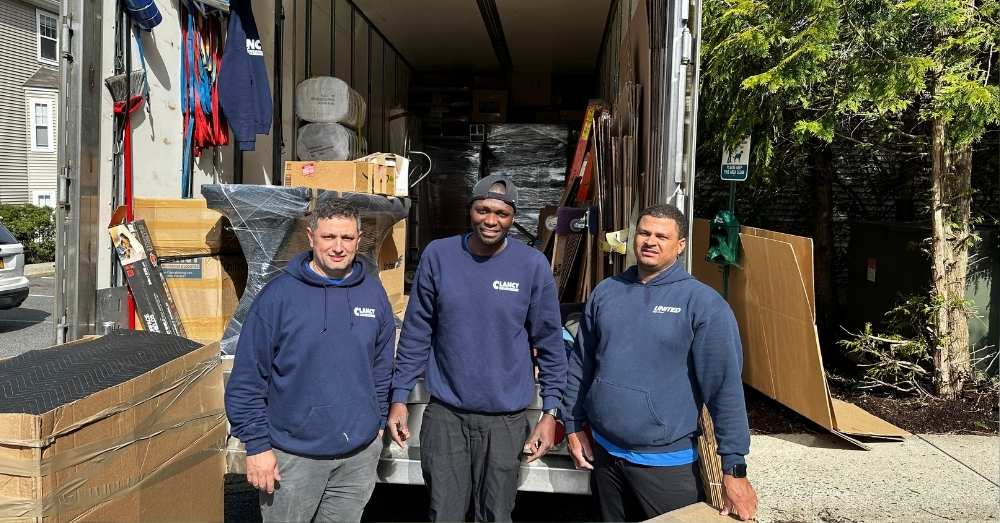
A successful relocation relies on experienced movers who can handle the complexities of cross-border transport. Expats benefit from working with companies that understand customs processes, offer full-value coverage, and provide specialized services for fragile or high-value items.
How to Assess Professional Expertise in an International Move
- Check Credentials and Global Network: Reputable movers hold international relocation certifications and maintain partnerships with trusted agents overseas. This ensures shipments remain secure from departure to final delivery.
- Request Tailored Service Options: Services such as custom crating for artwork or climate-controlled storage for sensitive electronics protect items during long transit. For example, expert mover Clancy Relocation & Logistics offers ClancyProtect and ClancyAssure programs that provide peace of mind through comprehensive handling protocols.
- Understand Customs and Legal Requirements: An experienced company can guide clients through country-specific restrictions, from prohibited goods to required declarations. For example, some countries ban certain electronics or require wood packaging to meet pest-control standards.
3. Packing and Inventory Management
Organized packing reduces stress on moving day and streamlines customs inspections. Those who know how to build an international moving checklist for expats often start with a detailed room-by-room plan, identifying what to ship, store, sell, or donate. A meticulous inventory protects against loss and simplifies claims in case of damage.
How to Ensure Thoughtful Packing Practices
- Use Professional Packing Techniques: Double-boxing fragile items, sealing electronics with moisture barriers, and applying shock-absorbing materials help withstand rough handling. Movers with international experience know how to prepare goods for months at sea or in storage.
- Create a Customs-Friendly Inventory: Detailed lists with item descriptions, values, and intended use speed up clearance. For example, labeling “kitchen cookware for personal use” helps avoid import taxes applied to commercial shipments.
- Separate Essentials From Bulk Cargo: Keep a small shipment or airfreight parcel with immediate necessities, such as work documents or clothing, for the first few weeks. This ensures life can continue smoothly while waiting for the main shipment to arrive.
4. Financial and Legal Arrangements Abroad
International relocation involves changes in how banking, taxes, and legal affairs are handled. Understanding what should be included in your international moving checklist means planning these arrangements before departure to avoid disruptions.
How to Arrange Financial and Legal Matters
- Set Up International Banking Access: Opening accounts in the destination country before arrival can reduce fees and speed up bill payments. Many expats use global banks with branches in both countries for easier transfers.
- Review Tax Obligations in Both Countries: Expats may need to file returns in their home country while also complying with local tax laws abroad. For example, U.S. citizens must still submit annual IRS returns even when living overseas.
- Legalize Key Documents for Use Abroad: Power of attorney, marriage certificates, or property deeds may require notarization or an apostille stamp. Preparing these in advance ensures they are recognized by foreign authorities without additional delays.
5. Housing and Utilities Setup Before Arrival
Arranging a place to live and ensuring utilities are ready on arrival can transform the first days abroad from stressful to seamless. Knowing how to prepare documents for an international moving checklist also means securing lease agreements and proof of address for utility setup.
How to Secure a Comfortable Start
- Research and Secure Housing Options: Temporary furnished apartments allow time to search for a long-term home without pressure. Many expats choose rentals near international schools or business hubs for easier daily routines.
- Arrange Utilities in Advance: Setting up electricity, water, and internet before arrival avoids days without essential services. Some providers allow activation using scanned lease documents and passport copies.
- Plan for Initial Furnishings: Even when shipping furniture, delivery delays can leave an empty home for weeks. Renting basic furniture packages or buying second-hand items locally can bridge the gap.
6. Health and Safety Preparations
Moving abroad also means navigating a new healthcare system and ensuring personal safety. Knowing what steps are required in an international moving checklist prepares expats for emergencies and routine care alike.
How to Ensure a Successful Health and Safety Planning
- Understand Destination Healthcare Access: Some countries require registration with a local clinic before receiving treatment. Researching these steps early prevents delays in accessing medical care.
- Secure Appropriate Coverage: Travel medical plans or international health insurance can cover unexpected treatment costs until local coverage begins. This ensures uninterrupted care from day one.
- Prepare for Emergencies: Keep a list of local emergency numbers, embassy contacts, and nearby hospitals. For example, knowing the fastest route to the nearest medical facility is crucial in countries with challenging traffic conditions.
How to Choose a Reliable International Moving Company
The vast majority of people continue to live in the countries where they were born—only one in 30 are migrants—so for those making the leap, the stakes are high. Selecting the right moving partner can determine whether an international relocation runs smoothly or becomes a costly headache.
A mover experienced in cross-border shipments understands customs regulations, offers proper valuation or coverage, and has the infrastructure to manage complex logistics. In understanding what steps are required in an international moving checklist, including this decision ensures every shipment is handled with expertise and care.
1. Check for Certifications and Affiliations
A credible international moving company should hold recognized industry certifications, such as United Van Lines membership, to prove its commitment to quality service. Affiliations with reputable global relocation networks mean the company can coordinate seamlessly with trusted partners abroad. This step is critical, knowing how to build an international moving checklist for expats, as it guarantees consistency and reliability across all shipping stages.
2. Verify FMCSA and USDOT Compliance
For any move that begins in the United States, the mover must be registered with the Federal Motor Carrier Safety Administration (FMCSA) and have a USDOT Number. This compliance shows the company meets safety and operational standards for interstate cargo before it leaves the country. Including this verification prevents working with unqualified or noncompliant providers.
3. Evaluate International Experience and Track Record
Experience in international relocations goes beyond packing skills—it involves navigating customs clearance, managing shipping timelines, and coordinating with overseas agents. Companies with a long-standing track record can provide real-world examples of handling specialized shipments, from antique furniture to climate-sensitive electronics. In understanding how to prepare documents for an international moving checklist, recognizing this ensures that paperwork and cargo are managed correctly from the start.
4. Review Service Options and Coverage Plans
Not all movers offer the same level of service, so it’s important to understand whether they provide full-value coverage, climate-controlled storage, or specialized crating. Valuation coverage also offers added peace of mind, ensuring belongings are handled with extra care and covered appropriately. Considering these options is crucial for high-value or irreplaceable items.
5. Ask for Detailed, Written Estimates
A reputable mover will provide a transparent, itemized quote that outlines every cost, from packing services to port handling fees. Written estimates prevent surprise charges and allow for accurate budgeting when planning the move. This financial clarity supports knowing how to build an international moving checklist for expats by keeping relocation expenses under control.
6. Check References and Customer Reviews
Hearing directly from previous clients offers insight into the mover’s reliability, communication, and problem-solving abilities. Independent reviews can confirm whether the company delivers on promises and resolves issues promptly. Factoring in this feedback aligns with what should be included in your international moving checklist, as it safeguards against choosing an unreliable partner.

How to Research Customs Regulations for the Destination Country
Understanding a country’s customs rules before relocating can save time, reduce costs, and prevent shipment delays. Many expats discover that what they can bring, how it must be declared, and the taxes involved vary widely from one country to another. Including this research when identifying what steps are required in an international moving checklist ensures the move complies with all legal requirements.
1. Identify Official Government Sources
The most accurate information comes from the destination country’s official customs authority or embassy website. These sites list prohibited items, duty-free allowances, and the specific documentation needed for imports. Relying on official sources is an essential part of how to build an international moving checklist for expats, ensuring that information is current and accurate.
2. Understand Prohibited and Restricted Items
Some countries ban the import of specific goods, such as certain electronics, food products, or cultural artifacts. Others require special permits for restricted items like firearms, plants, or pets. Knowing these details aligns with what should be included in your international moving checklist, as it helps avoid confiscations or fines.
3. Research Duty and Tax Requirements
Customs duties can significantly affect the overall cost of a move, especially for high-value shipments. Understanding how duties are calculated—whether by item category, declared value, or weight—helps in accurate budgeting. Including this when researching how to prepare documents for an international moving checklist ensures financial readiness for arrival.
4. Review Documentation Rules for Imports
Each country sets its paperwork standards for customs clearance, from detailed packing lists to proof of residence. Some require notarized translations of documents, while others accept digital copies. Preparing for these rules in advance is crucial to avoid delays and ensure smooth customs clearance, as non-compliance can result in fines or shipment hold-ups.
5. Ask About Temporary Import Provisions
Expats relocating for a limited time may qualify for temporary import allowances on personal belongings. This can reduce or eliminate duties, provided items are re-exported when the residency period ends. Factoring this into how to build an international moving checklist for expats can save both money and effort.
6. Consult With an Experienced International Mover
Professional movers with global networks often maintain up-to-date knowledge of customs procedures for multiple destinations. They can clarify unclear regulations and ensure shipment paperwork matches local requirements. Leveraging their expertise supports what should be included in your international moving checklist, ensuring compliance and avoiding delays.

Frequently Asked Questions (FAQs)
What to organize when moving overseas?
When relocating abroad, the organization begins with identifying what steps are required in an international moving checklist, such as securing documents, arranging shipping, and setting up housing. Expats should also research customs regulations, plan finances, and choose a reliable moving company with international experience. Including climate-controlled storage for sensitive items can protect belongings during extended transit or delays. Understanding how to build an international moving checklist for expats ensures no critical task is overlooked before departure.
How much money do you need to move to another country?
The amount needed depends on destination costs, shipping expenses, and the lifestyle planned after arrival. Budgeting should account for housing deposits, customs duties, travel, and emergency funds, as outlined in what should be included in your international moving checklist. Moving experts recommend having at least three to six months of living expenses set aside to cover unexpected costs. Financial preparation is a core part of knowing how to prepare documents for an international moving checklist because some countries require proof of sufficient funds.
How to organize international travel?
Organizing travel begins with booking flights early, confirming passport validity, and securing required visas. Travelers should align their itinerary with the shipping schedule and storage arrangements. Packing essentials in carry-on luggage ensures immediate needs are met upon arrival. This process ties into how to build an international moving checklist for expats, keeping travel plans coordinated with relocation logistics.
What not to bring when traveling internationally?
Many countries restrict or prohibit items such as certain foods, plants, animal products, and hazardous materials. Checking customs lists in advance is part of what should be included in your international moving checklist, helping avoid confiscation or fines. Some electronics or medications may require special permits to enter legally. Understanding these limitations ensures smoother customs clearance.
How do I prepare for an international flight?
Preparation starts with confirming flight details, baggage allowances, and any transit visa requirements. Packing important documents, medication, and valuables in carry-on bags is essential, as recommended in what steps are required in an international moving checklist. Staying hydrated, adjusting sleep schedules, and dressing comfortably can make the journey easier. These travel habits ensure arrival in good condition and ready for the next phase of relocation.
Move Abroad with Confidence with Clancy Relocation & Logistics
At Clancy Relocation & Logistics, we know an international move is more than shipping boxes—it’s starting a new chapter. Our certified team, backed by United Van Lines, handles every detail from document preparation to customs clearance with precision and care. With valuation and coverage options, climate-controlled warehouse storage, and personalized service, we protect what matters most while keeping the process stress-free.
Whether relocating for work, family, or adventure, we combine decades of expertise with a hands-on approach to make the journey as smooth as possible. Contact us today for professional moving solutions!