
Table of Contents
5 Tips to Plan a Stress-Free Move for Seniors
- Plan Ahead
- Declutter Belongings
- Choose the Right Moving Services
- Organize Essential Documents
- Prepare the New Home
Streamline the Moving Process with Trusted Experts!
Key Takeaways✔ Start early to create a timeline, stay organized, and avoid last-minute stress. ✔ Simplify the process by sorting items into keep, donate, and discard categories. ✔ Research reputable movers, including senior-focused services, to ensure a smooth transition. ✔ Gather, secure, and update critical paperwork for accessibility and peace of mind. ✔ Ensure the new home is safe, functional, and ready with utilities and personalized touches. |
Relocating can be a transformative chapter for seniors, offering an opportunity to embrace a new environment and lifestyle. However, the moving process often comes with its own set of challenges, from planning and packing to settling into a new home. By approaching each step with thoughtful preparation and the right resources, the transition can be made smoother and more enjoyable.
Here are practical tips to simplify the relocation journey for seniors.
5 Tips to Plan a Stress-Free Move for Seniors
1. Plan Ahead
Relocating can be a significant milestone, especially for seniors. Proper planning ensures a smoother transition and minimizes stress.
Why Starting Early Matters
Getting a head start helps seniors avoid last-minute issues and feel more in control of the process. Early preparation allows for thoughtful decision-making and reduces the likelihood of encountering unexpected challenges.
- Mitigate Stress: Early preparation reduces the rush and the anxiety that comes with last-minute arrangements, providing peace of mind throughout the process.
- Maximize Choices: Starting early allows ample time to explore and research residential movers, house moving services, and movers companies near me. This ensures the best service providers are chosen based on specific needs and preferences.
- Prepare for Challenges: Identifying potential roadblocks early, such as timing conflicts or logistical issues, provides the opportunity to resolve them without added pressure.
Create a Detailed Timeline and Checklist
A structured plan with a clear timeline and checklist ensures that all moving tasks are organized and manageable. This proactive approach reduces the risk of forgetting important details and keeps the process running smoothly.
- Set Milestones: Break the process into smaller stages such as decluttering, packing, securing moving services, and finalizing logistics. Assign realistic deadlines to each task to stay on track.
- Include Details: Ensure the checklist is comprehensive, covering key tasks like researching and booking a house moving service, notifying relevant parties of address changes, and preparing utilities in the new home.
- Stay Flexible: Build buffer time into the schedule to accommodate unforeseen delays, whether they involve packing challenges or adjustments with the moving company.
Evaluate Personal Needs and Priorities for the Move
Understanding personal preferences and requirements ensures the move aligns with individual circumstances, making the transition smoother and more comfortable.
- Assess Health and Accessibility Needs: Evaluate whether the new residence accommodates mobility or medical requirements. For instance, consider wheelchair accessibility, safety features like grab bars, or proximity to healthcare providers.
- Define Space Requirements: Take time to measure the new home and determine what belongings can fit comfortably. This helps avoid overcrowding and ensures essential items are prioritized during packing.
- Consider Emotional Factors: Moving can be an emotional process. Balance practicality with sentimentality by bringing cherished items that evoke positive memories while letting go of non-essential belongings.
2. Declutter Belongings
Moving can be an excellent opportunity to simplify life and lighten the load. Decluttering ensures a fresh start in the new home and reduces the stress of packing and unpacking.
Sort Items Into Keep, Donate, and Discard Categories
Breaking the task into manageable steps helps make decluttering feel less overwhelming. Sorting belongings into specific categories provides clarity and focus during the process.
- Keep Items Used or Cherished: Focus on practical items and those with significant emotional value. These are the essentials that will accompany seniors to their new home, ensuring functionality and comfort.
- Donate Items That Are Still Useful: Consider donating gently used clothing, furniture, and appliances to charities or community centers. Reach out to residential movers or movers companies near me for recommendations on local donation drop-off locations.
- Discard Items Beyond Repair or Use: Safely dispose of broken, expired, or unusable items. Be mindful of local recycling guidelines and hazardous waste disposal requirements to ensure environmentally responsible decluttering.
Involve Family or Friends for Support
Decluttering can be both an emotional and physical task. Having loved ones assist seniors makes the process more manageable and enjoyable.
- Provide Guidance: Share stories about specific items with family members to help them understand their significance. This can make decision-making easier and more meaningful.
- Get Extra Hands: Enlist help with heavy lifting or organizing larger areas like garages or attics. Professional house moving services can also assist with moving large or bulky items.
- Celebrate Progress: Take breaks and acknowledge accomplishments, such as completing a room or sorting through a particularly challenging box. Celebrating milestones helps maintain motivation during the move.
Tips for Letting Go of Sentimental Items
Parting with sentimental belongings can be one of the hardest aspects of decluttering. Keeping focus on the future and the new home’s space can help provide clarity and emotional balance.
- Choose a Few Treasured Keepsakes: Select a handful of meaningful items that best represent memories. Display them prominently in the new home to keep those memories alive without cluttering the space.
- Digitize Memories: Scan old photographs or important documents, and take pictures of larger sentimental items. Digital storage ensures memories are preserved while minimizing physical belongings.
- Gift Items to Loved Ones: Pass down heirlooms or meaningful possessions to family or close friends who will cherish them. Sharing these items keeps them in the family and brings joy to both the giver and recipient.
3. Choose the Right Moving Services
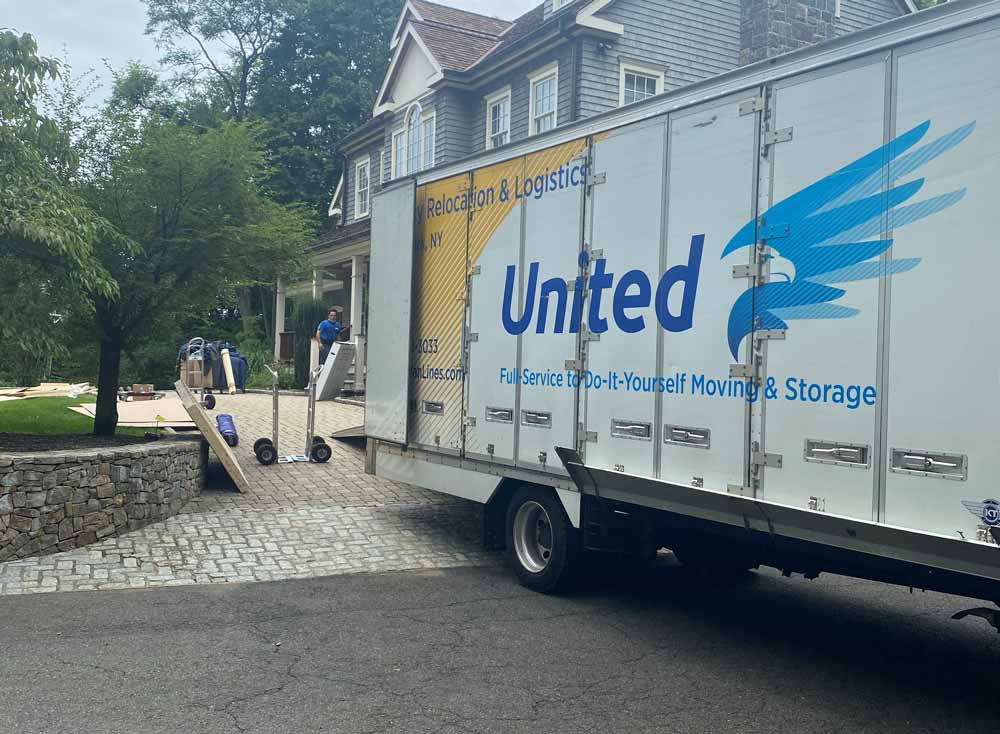
Relocating as a senior can be significantly smoother by selecting the right moving services. From choosing reliable movers to understanding specialized services, taking the time to make informed decisions ensures a stress-free transition.
Research Professional Moving Companies
Thorough research is the first step in finding trustworthy movers. Selecting reputable residential movers like Clancy Relocation & Logistics ensures belongings are handled with care and professionalism.
- Read Reviews and Testimonials: Look for customer feedback highlighting movers’ professionalism, punctuality, and attention to detail. Positive reviews are a strong indicator of reliable service.
- Verify Licenses and Valuation: Confirm that the moving company is properly licensed and insured to protect against potential damages or accidents during transit. With 24% of BBB complaints in 2023 related to moving fraud, taking this step safeguards belongings and ensures accountability throughout the process.
- Ask for References: Seek recommendations from friends, family, or community groups to find trustworthy movers companies near me. Personal endorsements often lead to dependable options.
Consider Senior-Focused Moving Specialists
For seniors, working with moving services tailored to their specific needs can make the relocation process much easier and less overwhelming.
- Specialized Services: Many senior-focused house moving services assist with packing, organizing, and downsizing. These offerings reduce the physical and emotional strain of preparing for the move.
- Safety-Oriented Approach: Senior-focused movers companies near me are trained to handle fragile and sentimental items with extra care, ensuring safety and peace of mind throughout the move.
- Additional Support Options: Some companies offer unpacking, furniture arrangement, and settling-in services, allowing seniors to quickly and comfortably transition into their new home.
Compare Costs and Services
Understanding the cost and value of different moving services is essential for making an informed decision that aligns with budget and needs.
- Request Detailed Quotes: Collect comprehensive estimates from multiple house moving services and movers companies near me. These should include clear breakdowns of services and costs, such as packing materials or optional add-ons.
- Evaluate Service Packages: Look for residential movers that offer customizable packages, ranging from full-service moving to partial assistance. This allows seniors to choose services that meet their unique requirements.
- Inquire About Hidden Fees: Discuss potential extra charges upfront, such as fees for stairs, long-distance moves, or heavy items. BBB complaints highlight cases where quotes based on estimated weight are increased significantly after loading, often doubling the cost. Clarifying these details in advance prevents unexpected expenses.
4. Organize Essential Documents
Relocating, especially as a senior, involves more than just packing boxes. Properly organizing important paperwork ensures a smooth transition and prevents unnecessary stress during and after the move.
Gather Important Paperwork
Before contacting residential movers or hiring a house moving service, seniors should gather and consolidate essential documents. Having all these papers ready makes it easier to address tasks related to healthcare, finances, and legal matters during the move.
- Medical Records: Collect prescriptions, vaccination records, and medical histories to ensure continuity of care in the new location. These records will help new healthcare providers understand past and ongoing treatments.
- Financial Documents: Include bank statements, investment account details, retirement fund paperwork, and valuation policies. Keeping these at hand allows quick access for financial decisions or transactions.
- Identification Papers: Secure items such as passports, driver’s licenses, Social Security cards, and birth certificates. These are critical for verifying identity and managing various updates post-move.
- Legal Documents: Organize wills, trusts, powers of attorney, real estate deeds, and contracts. Ensure these documents are updated if the move affects any legal arrangements.
Keep Documents Accessible During the Move
Key paperwork must remain accessible throughout the relocation process. Packing them with other belongings can create delays and risks, even when working with the most reliable movers companies near you.
- Secure Folder or Bag: Store essential documents in a durable, waterproof folder or bag to protect them from damage during transit. This ensures the documents stay intact and legible.
- Carry Documents Personally: Always keep these items close in the personal luggage rather than packing them with household goods handled by residential movers or house moving services. This minimizes the risk of misplacement.
- Create Digital Backups: Scan important documents and save copies on an external drive or cloud storage. This precaution provides an additional layer of security against loss or damage.
Update Necessary Records With the New Address
After the move, updating records with the new address ensures uninterrupted services and clear communication with essential contacts. This step is vital to avoid delays and complications.
- Notify Financial Institutions: Update the address with banks, credit card companies, and retirement fund managers. This ensures seniors receive important statements and correspondence without delays.
- Change Address for Medical Providers: Inform doctors, specialists, and pharmacies about the move to ensure that prescriptions and medical bills are sent to the correct location.
- Revise Government Records: Update the address with the post office, Social Security Administration, and voter registration office to avoid disruptions in benefits or mail delivery.
- Update Valuation Policies: Notify health, home, and auto valuation providers about the move to maintain coverage. This ensures policies reflect the correct location, which may also affect premiums or coverage terms.
- Notify Service Providers: Update the new address with subscriptions such as newspapers, meal delivery services, and healthcare providers to ensure uninterrupted service.
5. Prepare the New Home
Relocating to a new home can be exciting, but preparation is essential to ensure a smooth transition. Thoughtful planning, prioritizing safety, and organizing the space with care can make the new home welcoming and stress-free for seniors.
Assess Accessibility and Safety Features
Creating a safe and accessible environment is a top priority for seniors. Adjustments to the new home can improve mobility, reduce risks, and provide peace of mind.
- Install Ramps or Handrails: Add ramps for entryways and secure handrails in staircases, bathrooms, and other key areas to enhance safety and support.
- Ensure Adequate Lighting: Place bright, well-positioned lighting in hallways, bedrooms, and bathrooms to minimize the risk of falls, especially during nighttime navigation.
- Eliminate Tripping Hazards: Secure area rugs with non-slip backing, clear clutter from walkways, and install non-slip mats in slippery areas like kitchens and bathrooms.
- Adapt for Mobility Needs: Consider modifications such as wider doorways for wheelchairs, walk-in showers with seating, and grab bars near the toilet and tub for additional support.
Arrange Furniture and Belongings for Comfort
The thoughtful arrangement of furniture and belongings can significantly impact comfort and functionality, ensuring the new home feels inviting and easy to navigate.
- Prioritize Essential Rooms: Focus on setting up critical spaces like the bedroom, bathroom, and kitchen first to ensure immediate usability and comfort.
- Keep Frequently Used Items Accessible: Store items like medications, clothing, and cookware within easy reach to reduce physical strain and promote independence.
- Create Clear Pathways: Arrange furniture to allow unobstructed movement, especially for those using wheelchairs or walkers. This ensures safe and convenient navigation throughout the home.
Set Up Utilities and Services Before Moving Day
A well-prepared home with functioning utilities and services ensures a seamless transition, allowing seniors to settle in comfortably from the moment they arrive.
- Contact Utility Providers Early: Arrange for electricity, water, gas, and internet services to be connected before the move. This eliminates delays and allows the home to be fully operational upon arrival.
- Test Appliances and Systems: Verify that essential systems like heating, cooling, and major appliances are in good working order to avoid unexpected issues after moving in.
- Explore Local Services: Research nearby resources like grocery delivery, pharmacies, and healthcare facilities to establish a reliable support network in the new community.
Frequently Asked Questions
What should seniors pack in an essentials box for moving day?
An essentials box should contain items you’ll need immediately upon arrival at your new home. Include medications, toiletries, a change of clothes, and important documents like ID and valuation cards. Pack snacks, water, and a phone charger to stay comfortable during the move. Don’t forget keys to your new home, as well as basic tools like scissors or a flashlight. Personal items, such as a favorite book or blanket, can provide comfort during the transition. Essential items are best carried personally to avoid misplacement.
What financial considerations should seniors keep in mind when moving?
Budgeting is key to managing the financial aspects of a move. Factor in costs like hiring movers, renting storage, and potential fees for downsizing or selling your home. If you’re moving to a retirement community, research monthly fees and hidden charges. Take advantage of senior discounts offered by some movers or storage companies. Plan for unexpected expenses, such as last-minute repairs or additional packing supplies.
How far in advance should seniors start planning their move?
Ideally, start planning your move at least three months in advance. This gives you ample time to research moving companies, declutter, and prepare for the transition. Early planning also allows you to handle unexpected issues without feeling rushed. For a long-distance or senior community move, extra time may be needed to coordinate logistics.
How can seniors avoid moving scams?
Start by researching moving companies and verifying their credentials with organizations like the Better Business Bureau. Avoid companies that demand large deposits upfront or refuse to provide written estimates. Be cautious of low-ball quotes, which often lead to hidden fees later. Protect yourself by carefully reading contracts and understanding terms before signing. Keep valuables and personal documents with you during the move, rather than placing them in the moving truck.
How can seniors manage the emotional challenges of moving?
Moving can stir up a mix of emotions, from excitement to sadness. Acknowledge these feelings as natural and allow yourself time to process them. Focus on the positive aspects of the move, such as new opportunities or a simplified lifestyle. Stay connected with friends and family who can provide support and reassurance. If you’re leaving a longtime home, consider creating a scrapbook or memory book to honor your past.
Streamline the Moving Process with Trusted Experts!
Clancy Relocation & Logistics specializes in delivering tailored moving solutions designed to meet unique needs. With a focus on professionalism, care, and attention to detail, every aspect of the relocation is handled seamlessly. From downsizing to settling into a new space, Clancy Relocation & Logistics ensures a stress-free transition.
Contact Clancy Relocation & Logistics today to learn more about our services and take the first step toward a hassle-free move!