
Table of Contents
Key Takeaways✔ Proper preparation, cleaning, and wrapping are essential to keep furniture protected and organized throughout a long-distance move. ✔ Moving furniture long distance is often worthwhile for high-quality, valuable, or sentimental pieces that deserve professional handling and care. ✔ Movers typically pack and stack boxes first to create a stable base, then load and secure furniture for safe transport. ✔ Large, multi-piece furniture such as sectionals, bed frames, and dining sets takes the most time to pack due to disassembly and protective wrapping needs. |
To prepare furniture for a long-distance move, disassemble what you can, clean and dry all surfaces, then wrap each piece in moving blankets, bubble wrap, or plastic wrap for protection. Secure hardware in bags taped to the furniture, and use furniture pads, sliders, and straps for loading and securing items in the truck.
How to Prepare Furniture for Long-Distance Moving the Right Way
✔ Preparation & Cleaning
1. Declutter and Decide What Stays
Before any packing begins, it’s helpful to sort through all furniture pieces and decide what’s worth keeping. Items that are damaged, outdated, or no longer needed can be sold, donated, or recycled to lighten the load.
Decluttering not only reduces packing time but also helps prevent clutter-induced stress—a common cycle where disorganization causes anxiety and makes it harder to focus or take action. Creating a clean, organized space before moving supports a smoother process and a clearer mindset when learning how to pack efficiently for a move.
2. Clean and Dry All Furniture
Cleaning furniture before packing helps prevent dirt or moisture from spreading during transport. Wipe wooden surfaces, vacuum upholstery, and ensure everything is completely dry. This step prevents mold and keeps furniture fresh after unpacking.
3. Disassemble Large Pieces
Taking apart furniture like bed frames, tables, or bookshelves makes it easier to carry and load safely. Smaller sections are simpler to wrap and less likely to get damaged. Anyone learning how to prepare furniture for long-distance moving should remember that disassembling large items can also help movers fit everything securely in the truck.
4. Keep Hardware Organized
All screws, bolts, and fittings should go into small labeled bags. These bags can be taped directly to the furniture piece they belong to. It’s a simple but important step that saves time when reassembling after delivery.
✔ Wrapping & Packing
1. Gather Proper Packing Materials
Successful packing starts with having the right supplies. Basic materials include:
- Moving Blankets: These provide a thick, cushioned layer that protects wooden and metal surfaces from scratches or dents.
- Plastic Wrap: This tightly holds coverings in place and shields items from moisture, dust, or dirt during transport.
- Bubble Wrap: Ideal for fragile corners, glass tops, or decorative features, it prevents cracking and chipping.
- Packing Tape: Strong tape secures all wrappings and keeps layers from coming loose while loading or unloading.
For those wondering do movers pack for you, professional moving teams typically bring all these materials and use them correctly to ensure furniture stays safe throughout the move.
2. Protect Delicate Areas
Fragile edges, corners, and handles should be wrapped in bubble wrap first. A second layer of moving blankets provides additional protection from bumps and scratches during transport.
3. Apply Protective Layers
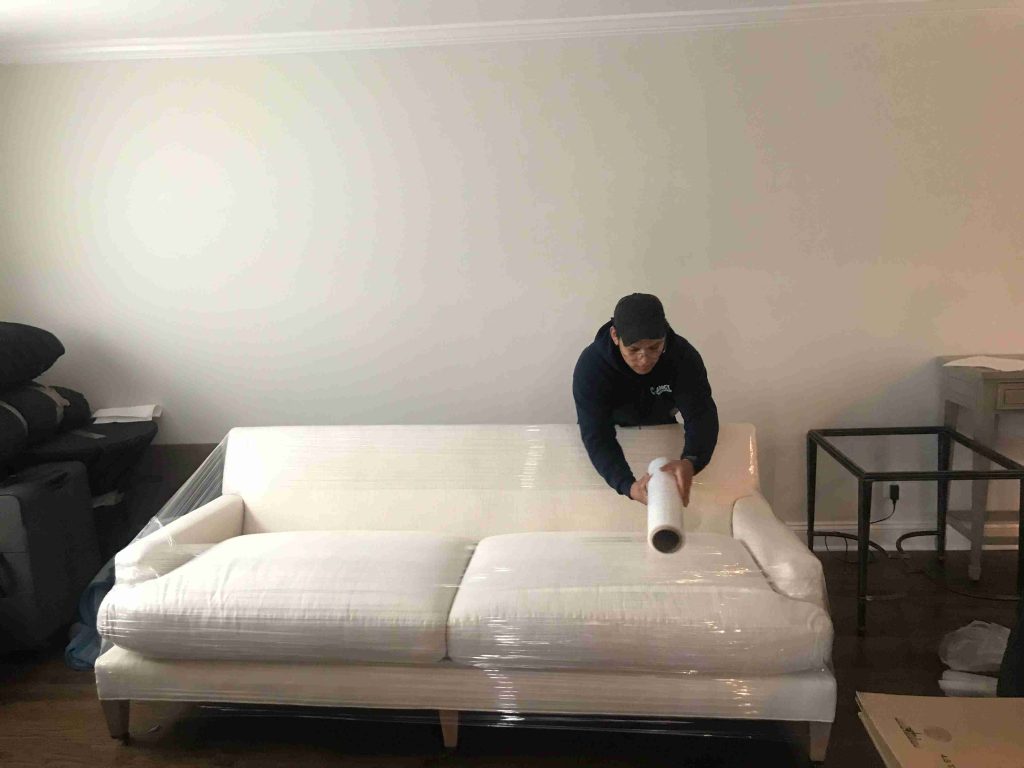
Once wrapped, furniture can be secured with plastic stretch wrap to keep the padding in place. Upholstered items should be fully covered to protect against stains, dust, or dirt.
4. Use Pads and Sliders
Furniture pads help prevent scratches on walls and floors. Sliders placed under heavy pieces make them easier to move without strain or damage. These simple tools can make a big difference in how to prepare furniture for long-distance moving safely and efficiently.
✔ Loading & Securing
1. Load Heavy Items First
Heavier furniture should be placed toward the back of the truck to maintain balance. Lighter items can go on top or in open spaces to avoid crushing.
2. Secure with Straps or Ropes
Strong straps or ropes are used to hold furniture in place. This prevents items from shifting or falling during long drives, which is especially important for cross-country or interstate moves.
3. Fill Empty Spaces
Open gaps between items can be filled with smaller boxes, cushions, or soft items to add support and minimize movement during transit. This careful loading process is part of how to pack efficiently for a move and helps reduce the risk of damage.
Is Moving Furniture Long Distance Really Worth It?
Deciding whether to move furniture across a long distance often depends on quality, cost, and sentimental value. High-end or custom-made pieces usually justify the effort and care provided by professional movers, while easily replaceable items may not. Since research shows that changing residences can significantly increase stress levels, careful planning and thoughtful decisions about what to move can help reduce that pressure and make the relocation process smoother overall.
When learning how to prepare furniture for long-distance moving, it helps to think about the following:
- Condition and Durability: Solid wood or antique furniture is built to last and can handle long trips when packed correctly, making it worth keeping.
- Replacement Cost: If replacing a piece would cost more than moving it, transporting it is often the smarter choice.
- Emotional or Sentimental Value: Family heirlooms or meaningful items deserve the extra care and protection professional movers can provide.
Professional movers like Clancy Relocation & Logistics can provide valuation options, protective materials, and expertise to ensure everything arrives safely—making long-distance relocation worthwhile for valuable items.
Do Movers Usually Pack the Furniture or the Boxes First?
Many people planning a relocation often ask, do movers pack for you or only handle transport. The answer is yes—professional movers typically offer full-service packing that includes both boxes and furniture.
Movers usually:
- Start with Boxes: Professional movers begin by packing and stacking boxes first to create a strong, stable base inside the truck. This makes it easier to balance weight and prevents heavier furniture from crushing lighter items.
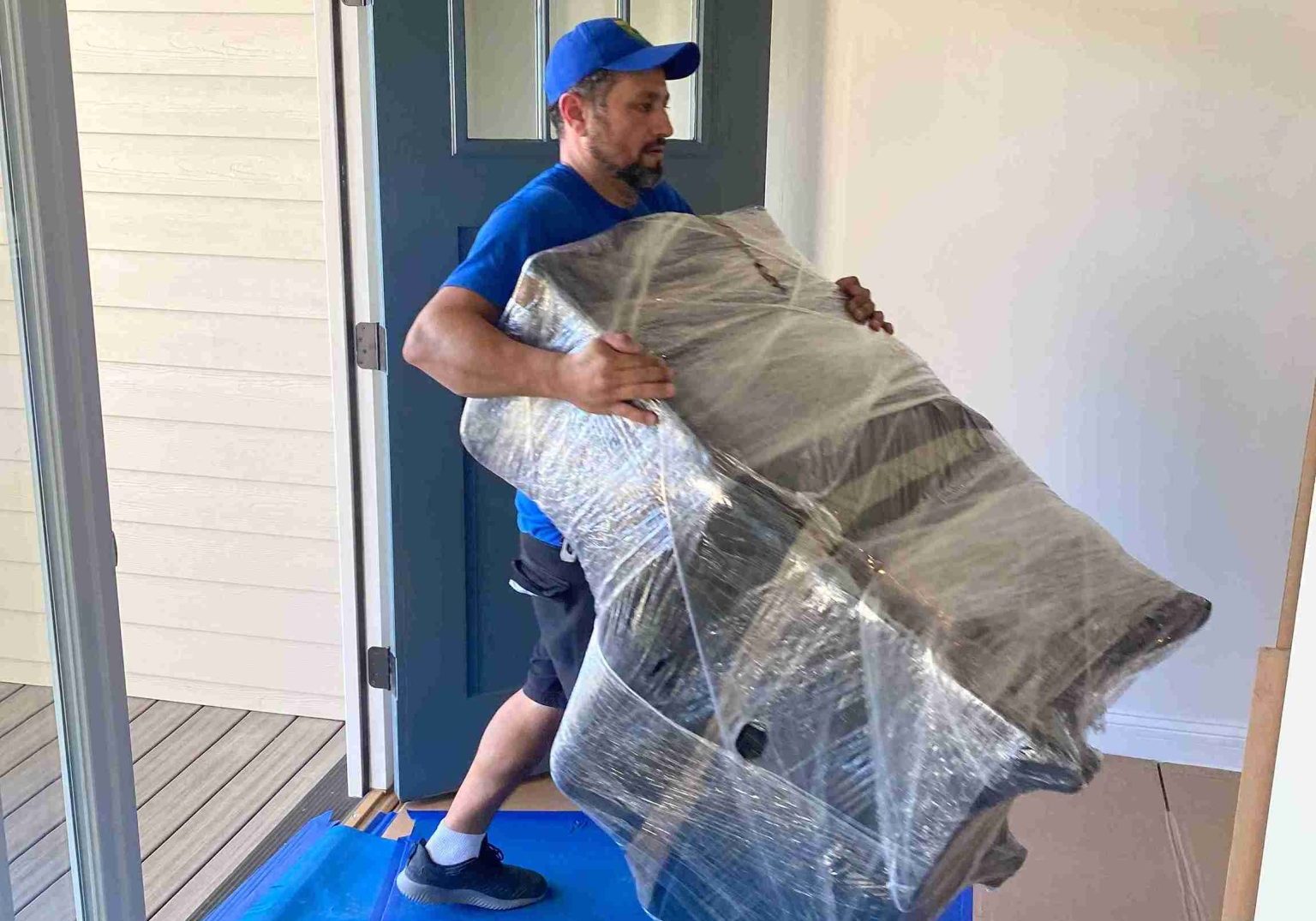
- Wrap Furniture: Each furniture piece is padded and wrapped with moving blankets or stretch film to prevent scratches, dents, or tears. This protective step is especially important for wooden, glass, or upholstered surfaces.
- Secure the Load: Once everything is packed, movers use straps and ties to keep furniture from shifting while the truck is in motion. This step adds an extra layer of safety and helps maintain the overall balance of the load throughout a long-distance move.
Understanding this process is part of how to prepare furniture for long-distance moving, as it shows why movers use a structured packing order. Professional teams handle each step carefully, which not only saves time but also helps prevent damage.
Which Items Take the Most Time to Pack When Moving?
Some items simply take more time and care to prepare, especially during large relocations. Knowing how to pack efficiently for a move helps reduce time and stress when organizing bulky or fragile furniture.
Common time-consuming items include:
- Sectional Sofas: These large pieces often require disassembly into smaller sections before transport. Each section should be labeled to make reassembly easier, and corners or fabric edges need to be padded for protection. Because of their size and shape, sectional sofas take extra time to wrap securely so they don’t shift or tear during a long-distance move.
- Dining Tables and Chairs: Tables with glass tops, detachable legs, or delicate finishes need careful wrapping to avoid scratches and cracks. Chairs should be stacked gently and covered with moving blankets or plastic wrap to keep upholstery clean. Paying attention to each component ensures dining sets arrive ready for immediate use.
- Bed Frames and Headboards: These must be fully dismantled before packing to make handling and loading easier. Once disassembled, all parts should be wrapped in moving blankets or bubble wrap to prevent scuffs and dents. Headboards, especially upholstered or wooden ones, require additional padding to keep them safe from impact during transport.
- Dressers and Wardrobes: Heavy furniture like these should be emptied before the move to prevent internal damage and reduce weight. Drawers can be removed, wrapped, and labeled separately for quick reassembly. Properly securing corners and handles keeps these large items stable and protected from scratches or bending in the truck.
Movers trained in how to pack efficiently for a move, like Clancy Relocation & Logistics, can save significant time while ensuring each piece is protected for the journey ahead.
Frequently Asked Questions
How early should furniture preparation begin before the move?
Furniture preparation should begin at least a few weeks in advance of moving day. This gives enough time to clean, disassemble, and wrap everything properly without rushing. Early preparation also helps identify which items may need special handling or extra protection.
Can furniture be moved during bad weather?
Yes, but extra precautions are taken to protect furniture from rain, snow, or humidity. Movers use waterproof covers, padded wraps, and secure loading methods to reduce exposure to the elements. Scheduling flexibility also helps minimize delays caused by severe weather conditions.
How do movers protect floors and walls during the move?
Movers often use floor runners, corner guards, and padding to prevent marks or scratches while loading or unloading. These protective materials create a barrier between furniture and surfaces. It’s a simple yet effective way to maintain the condition of both the old and new property.
What happens if something gets damaged during the move?
Reputable moving companies offer valuation options that provide coverage for potential damage or loss. A detailed inspection is usually done before and after the move to document the condition of each item. Customers can then file a claim for repair or replacement if necessary.
Are there items movers will not transport?
Yes, most movers have a list of restricted items that includes hazardous materials, flammable liquids, and perishable goods. These items are not safe for transport in moving trucks. It’s best to ask the moving company in advance about specific restrictions.
Trust Clancy Relocation & Logistics to Handle Every Step of the Move!
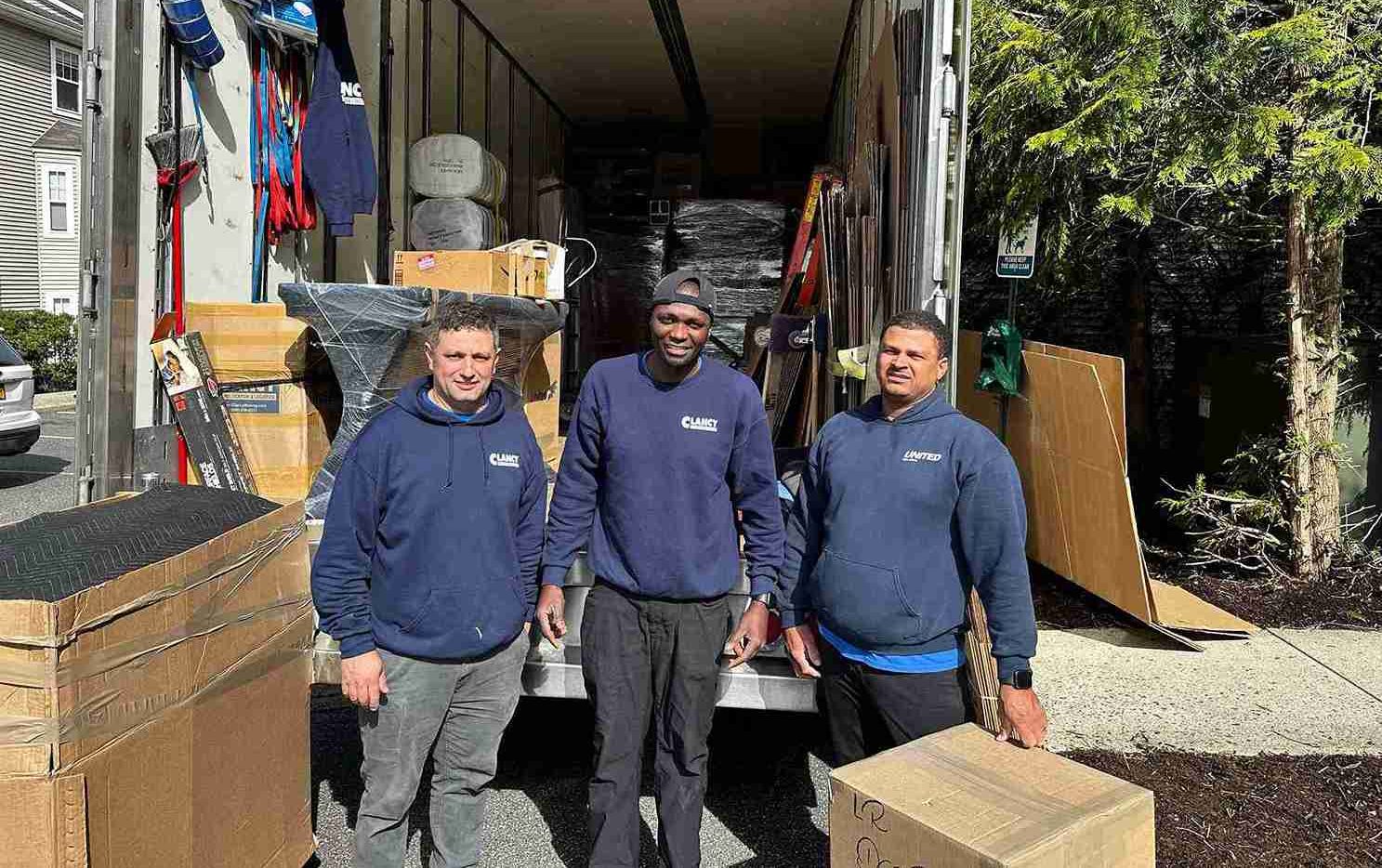
Long-distance relocations can be complex, but with Clancy Relocation & Logistics, every detail is handled by a team that treats each item with care and professionalism. From expertly packing and securing furniture to ensuring safe transport and timely delivery, every step is managed with precision. Their experienced crews, specialized equipment, and commitment to service make each relocation smooth and worry-free.
Connect with Clancy Relocation & Logistics today to plan a reliable, stress-free move with a team that delivers confidence from start to finish.