
Long-distance moves can feel overwhelming, but they don’t have to be with the right approach. The average American moves five to six times between the ages of 18 and 45, and choosing trusted packing and moving companies, using reliable moving storage, and staying organized can make all the difference. A solid plan and key strategies ensure belongings arrive safely and the process stays on track, even with the challenges of moving far from home.
Here are five packing and storage essentials for a stress-free long-distance move.
Table of Contents
- Reinforced Boxes
- Protective Cushioning
- Labeling Systems Make Unpacking Easier
- Climate-Controlled Storage
- Professional Packing Services
How to Choose Between Short-Term vs. Long-Term Storage Options
How Custom Crating Ensures the Safety of Valuable and Oversized Items
Frequently Asked Questions (FAQs)
Trust Clancy Relocation & Logistics for Expert Packing, Crating, and Storage on Long-Distance Moves
Key Takeaways✔ Reinforced boxes are durable to keep heavy and delicate items secure during long-distance moves. ✔ Protective cushioning minimizes shocks, prevents scratches, and fills gaps to keep fragile belongings safe in transit. ✔ A clear labeling system helps movers identify fragile boxes, sort items efficiently, and ensure high-priority belongings are easily accessible. ✔ Climate-controlled storage safeguards sensitive items like furniture, electronics, and artwork from environmental damage during long-term moves. ✔ Custom crating offers tailored protection for valuable or oversized items, ensuring safe handling and transport. ✔ Planning short-term or long-term storage depends on duration, item type, and accessibility needs. ✔ Professional packing and crating services save time, reduce stress, and ensure belongings are expertly protected during a move. |
1. Reinforced Boxes
Reinforced boxes are essential for protecting items during a long-distance move. These sturdy containers can withstand stacking, shifting, and extended transport without breaking down. Using professional-grade materials ensures valuables arrive in the same condition they were packed.
Why Reinforced Boxes Are Necessary
- Prevent Collapsing During Stacking: Long-distance moves often require boxes to be stacked inside trucks or storage units. Regular boxes may buckle under weight, but double-wall cardboard provides the strength needed to prevent this issue.
- Protect Against Abrasion and Tears: Items like books or appliances can damage standard boxes during transit. Reinforced materials resist tearing, reducing the risk of items spilling or being exposed to dust and dirt.
- Withstand Long-Distance Vibrations: Continuous vibrations during transport can weaken poorly constructed boxes. Reinforced options hold their shape, keeping delicate contents safe throughout the journey.
How to Use Reinforced Boxes Effectively
- Choose the Right Weight Rating: Select boxes rated for heavy loads, typically between 32 ECT (Edge Crush Test) and 44 ECT, to handle bulky items like books, tools, or kitchenware. Check the rating printed on the box flaps for guidance.
- Seal All Edges with Heavy-Duty Tape: Use reinforced packing tape, applying multiple layers to the top and bottom edges of each box. This ensures the box stays sealed, even when lifted or moved repeatedly.
- Separate Fragile Items with Dividers: Use inserts or dividers within the box to keep fragile items like glassware or plates from clinking together. Pair with bubble wrap for added cushioning when handled by packing and moving companies.
2. Protective Cushioning
Fragile items need more than sturdy boxes to survive a long-distance move—they require proper cushioning to absorb shocks. Materials like bubble wrap, foam, and packing paper protect delicate belongings from cracks, scratches, or breaks. Effective cushioning ensures even the most sensitive items arrive safely.
Why Protective Cushioning Is Necessary
- Minimizes Shock from Sudden Movement: Long-distance moves often involve bumpy roads or sudden stops. Wrapping glassware and electronics in foam or bubble wrap absorbs impact, reducing the chance of breakage.
- Prevents Scratching of Surfaces: Items like picture frames, mirrors, or furniture with polished finishes can rub against other objects, causing damage. Wrapping these items in felt or fabric protects their surfaces during transit.
- Fills Empty Spaces to Prevent Shifting: Boxes with loose contents are prone to shifting, which increases the risk of damage. Using packing peanuts or crumpled paper fills gaps, ensuring items stay securely in place, even during long trips with packing and moving companies.
How to Use Protective Cushioning Effectively
- Wrap Items Individually: Wrap each fragile item separately with a protective layer like bubble wrap or foam sheets. For plates and bowls, place a sheet between each one to prevent them from clinking.
- Use Corner and Edge Protectors: For items like mirrors, glass tabletops, or artwork, apply corner and edge protectors to reinforce these vulnerable areas. These protectors are especially useful when working with moving out of state companies.
- Layer the Bottom and Top of Boxes: Add cushioning materials to the bottom and top of each box for extra shock absorption. This ensures fragile items are protected from any impacts during loading and unloading.
3. Labeling Systems Make Unpacking Easier
Labeling isn’t just about organization—it’s a critical step in ensuring items are handled properly and end up in the right place. A clear labeling system allows movers to identify priority items and fragile boxes instantly. Proper labeling simplifies unloading, especially when using moving storage services.
Why Labeling Systems Are Essential
- Speeds Up the Moving Process: Movers can place boxes in their designated rooms without needing constant direction. This saves time and avoids confusion, particularly in larger homes.
- Ensures Proper Handling of Fragile Items: Labels like “Fragile” or “This Side Up” alert movers to take extra care. These instructions reduce the likelihood of mishandling, especially during long journeys.
- Helps Identify High-Priority Items: Boxes containing essentials like toiletries or kitchen supplies can be labeled “Open First.” This ensures these items are readily accessible upon arrival, even if other boxes remain in moving storage.
How to Label Boxes Effectively
- Use Color-Coded Labels: Assign colors to each room (e.g., red for the kitchen, blue for the bedroom) to simplify sorting. Use matching stickers or markers to make labels easy to spot.
- Include Clear Instructions: Write clear, bold labels such as “Fragile,” “Heavy,” or “Do Not Stack” on applicable boxes. These cues help movers, including those from moving out of state companies, handle boxes correctly.
- Add a Brief Contents List: Write or attach a short list of items inside each box. This makes finding specific belongings easier without needing to unpack every box.
4. Climate-Controlled Storage
When moving long distances, climate-controlled moving storage provides a safe environment for temperature-sensitive items. These units regulate humidity and temperature, preventing damage to belongings that might not survive in extreme conditions. Choosing the right storage option is critical for keeping valuables in perfect condition. Climate-controlled storage services are offered by trusted moving companies as well.
Why Climate-Controlled Storage Is Necessary
- Preserve Wooden Furniture: Heat and humidity can cause wooden furniture to warp, crack, or swell. Climate-controlled units maintain stable conditions to prevent this kind of damage.
- Protects Electronics from Overheating: Electronics like TVs, gaming consoles, and computers can fail when exposed to extreme temperatures. Storage with consistent cooling ensures their components remain functional.
- Prevents Mold on Fabrics and Papers: Items like clothing, books, or important documents are prone to mold growth in damp environments. Controlled humidity levels keep these belongings safe, even in long-term moving storage.
How to Use Climate-Controlled Storage Effectively
- Store High-Value Items First: Prioritize storing valuables like artwork, antiques, and electronics in climate-controlled units. These items are the most vulnerable to environmental changes.
- Pack in Plastic Bins Instead of Cardboard: Use plastic bins with airtight lids to provide an additional layer of protection. Plastic is more resistant to moisture and pests compared to cardboard.
- Label and Organize by Priority: Mark items by importance or frequency of use. This helps movers, especially those from packing and moving companies, access necessary belongings quickly when needed.
5. Professional Packing Services
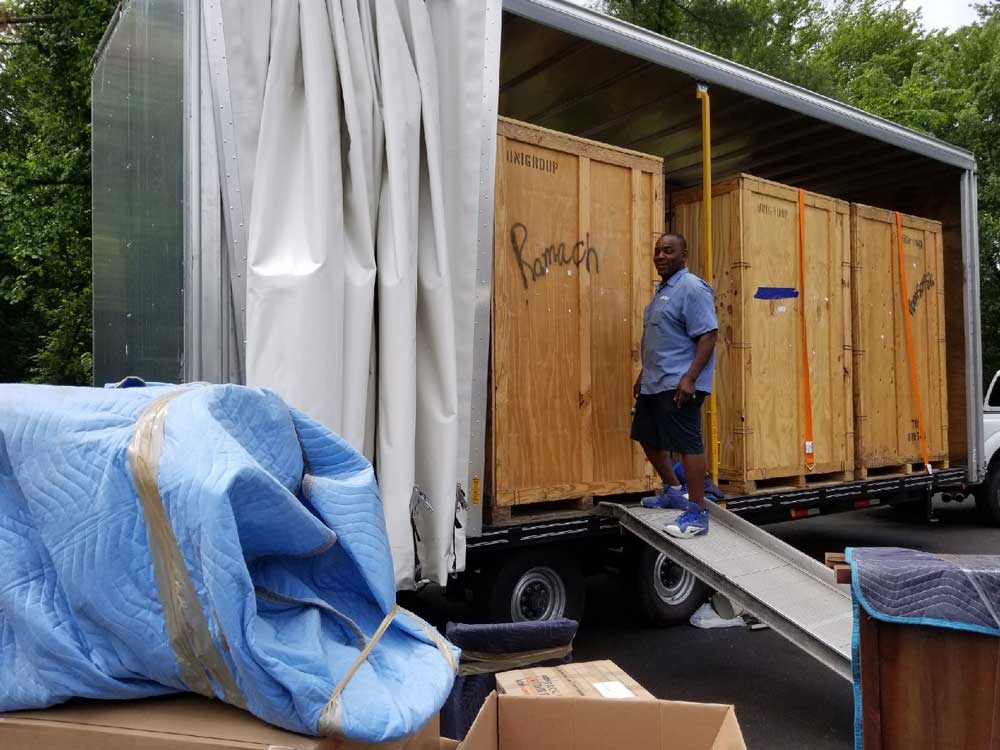
Professional packing services offered by packing and moving companies simplify the moving process by handling the hardest tasks. These services ensure belongings are packed securely, using the right materials and techniques for each item. Hiring professionals not only saves time but also provides peace of mind.
Why Choose Professional Packing Services
- Ensure Items Are Packed Correctly: Experienced packers know how to secure fragile and valuable belongings to minimize damage. They use industry-standard methods and materials to handle even the most challenging items.
- Save Time and Energy: Packing an entire home can take days or even weeks. Professional packers complete the job efficiently, freeing up time for families to focus on other aspects of their long-distance move.
- Include Insurance Options for Added Protection: Many moving out of state companies offer insurance coverage with their packing services. This ensures compensation in the unlikely event of loss or damage during transit.
How to Utilize Professional Packing Services Effectively
- Discuss Specific Needs with Movers: Communicate which items require special care, such as antiques, electronics, or family heirlooms. This ensures packers provide the necessary attention and materials.
- Schedule Packing in Advance: Book packing services well before moving day to avoid last-minute stress. Many packing and moving companies offer flexible schedules, but early booking guarantees availability.
- Confirm Insurance Details: Review the insurance options included with packing services. Understand what’s covered and consider additional coverage for particularly valuable items.
How to Choose Between Short-Term vs. Long-Term Storage Options
The moving storage industry has grown by 2.4% annually over the past five years, reaching a projected $23.2 billion by 2024, as more people weigh the benefits of short-term versus long-term storage based on their moving needs and the items being stored.
Each option offers unique benefits and suits different situations, so understanding their differences helps ensure the right choice. Consider these six factors to determine the best storage solution for a stress-free long-distance move.
1. Understand the Duration of Storage Needs
Short-term storage is ideal for gaps between moving out and moving into a new home, typically lasting a few days to a few months. Long-term storage works better for extended periods, such as when downsizing, traveling, or staging a home for sale. Evaluate the timeline of the move and any uncertainties about when items will be retrieved to choose the most practical option.
2. Consider the Type of Items Being Stored
Delicate items like antiques, electronics, or artwork often benefit from climate-controlled long-term moving storage, which ensures consistent temperature and humidity levels. On the other hand, durable belongings like tools or seasonal decorations might only need basic protection in short-term storage. Knowing the type of items helps determine whether specialized storage features are necessary.
3. Assess Storage Costs Based on Budget
Short-term storage is generally more cost-effective for temporary needs, as pricing typically includes weekly or monthly rates. Long-term storage may have higher upfront costs but often comes with discounts for extended contracts. Compare quotes from packing and moving companies to find a solution that aligns with both budget and duration requirements.
4. Think About Accessibility Requirements
If frequent access to stored belongings is needed, short-term storage solutions in accessible locations are preferable. Long-term storage units may be placed further from high-traffic areas, making regular visits less convenient. Choose storage based on how often items will need to be retrieved during the move.
5. Evaluate the Move’s Complexity
For moves involving delayed possession of a new home or international relocations, long-term moving storage provides a secure solution for extended periods. Conversely, short-term storage can serve as a holding space while movers transfer items from one location to another. Consider how the storage fits into the overall logistics of the move.
6. Factor in Storage Unit Features
Short-term storage may not require advanced features like 24/7 surveillance or climate control if the duration is brief. Long-term storage, however, should prioritize added security measures and environmental protection to safeguard belongings over time. Evaluate what features are essential to the safety and condition of stored items.
How Custom Crating Ensures the Safety of Valuable and Oversized Items
When moving valuable or oversized belongings, standard packing solutions are often not enough. Custom crating provides a tailored approach, offering maximum protection for delicate, heavy, or irregularly shaped items during transit. Whether it’s for fine art, large instruments, or sensitive equipment, custom crating helps bridge the gap between traditional packing and secure, damage-free relocation, making it a crucial service provided by packing and moving companies.
1. Protects Fragile Items from Impact Damage
Fragile items like mirrors, antiques, and fine art collections are at high risk of breaking during a move. Custom crates are designed to fit the exact dimensions of these items, ensuring minimal movement inside the crate. By adding cushioning materials and shock-absorbing features, custom crating offers a level of protection that standard boxes cannot provide.
2. Provides Tailored Solutions for Oversized Belongings
Bulky items like large instruments, sculptures, or specialty equipment often don’t fit into standard boxes or packing materials. Custom crates are built to accommodate the size and weight of these items, with reinforced structures to support them. This ensures oversized belongings are handled with care, whether they’re being moved locally or stored in moving storage facilities.
3. Ensures Secure Transport for High-Value Equipment
High-value commercial equipment, such as scientific tools or computers, requires precise handling to avoid damage. Custom crates are built with advanced materials and often include features like moisture barriers or foam inserts. This makes them ideal for transporting sensitive items, especially for businesses relying on packing and moving companies to safeguard their assets.
4. Prevents Environmental Damage During Long Transit
Temperature and humidity changes during long-distance moves can cause significant damage to sensitive items like wooden furniture or artwork. Custom crates, paired with climate-controlled moving storage, create a stable environment that protects against warping, cracking, or mold. This added layer of defense is essential for preserving the condition of valuable belongings.
5. Simplifies Handling of Irregularly Shaped Items
Items with unusual shapes, such as chandeliers, vintage bicycles, or architectural pieces, pose unique challenges during a move. Custom crating ensures these irregularly shaped items are securely packed to prevent shifting or damage. Specialized features like adjustable braces or foam padding provide added stability, making these items easier to handle and transport.
6. Minimizes Risks During Loading and Unloading
Loading and unloading are among the most vulnerable moments for fragile and oversized items. Custom crates are designed with reinforced corners and handles to make moving these items safer for both the movers and the belongings. This added durability reduces the chance of accidents, ensuring items are delivered intact by packing and moving companies.
Frequently Asked Questions (FAQs)
What are the best ways to prevent pests from damaging belongings in storage?
Pests can pose a significant threat to items in storage if not addressed beforehand. To prevent infestations, always clean and dry belongings thoroughly before packing, as food residue and moisture attract pests. Use sealed plastic bins instead of cardboard boxes for long-term storage, as they are more resistant to pests. Adding pest repellents, like cedar blocks or silica packets, can provide additional protection.
Can vehicles be stored or transported during a long-distance move?
Yes, vehicles can be transported or stored during a long-distance move through specialized services. Many moving out of state companies offer vehicle shipping options using open or enclosed carriers to ensure the safety of cars, motorcycles, or boats. For temporary storage, facilities with proper ventilation and security features are ideal. It’s important to prepare the vehicle by draining fluids, disconnecting the battery, and documenting its condition before transit.
How do moving companies handle items requiring disassembly and reassembly?
For large items like beds, desks, or gym equipment, moving out of state companies provide disassembly and reassembly services. Movers use specialized tools and techniques to safely take apart furniture or equipment without damaging it. Hardware is typically labeled and packed in a secure, organized manner for reassembly at the destination. Confirming this service with packing and moving companies in advance ensures a smooth and efficient process.
Are there restrictions on what can be placed in climate-controlled storage?
Climate-controlled storage can house most household and commercial items, but there are restrictions on hazardous materials like fuels, chemicals, or flammable items. Perishable goods and live plants are also typically prohibited, as these can spoil or attract pests even in controlled environments. Sensitive items like artwork, musical instruments, and electronics benefit the most from climate-controlled units. Always check with the storage facility for specific guidelines before packing.
What should be done with perishables during a long-distance move?
Perishables, such as fresh food, frozen goods, or opened pantry items, should not be packed for long-distance moves unless they are being transported locally within 24 hours. For long-distance relocations, consider donating unopened, non-perishable items to local food banks or neighbors. If perishables must be moved, they should be packed in a cooler with ice packs and transported in a personal vehicle. It’s important to verify whether packing and moving companies allow perishables in their transport services.
Trust Clancy Relocation & Logistics for Expert Packing, Crating, and Storage on Long-Distance Moves
Clancy Relocation & Logistics provides professional packing, custom crating, and secure storage solutions to ensure every detail of a long-distance move is handled with precision. We will safeguard delicate artwork and antiques by storing valuable belongings in our climate-controlled facilities. Whether it’s residential or commercial, Clancy’s tailored services protect what matters most and make even the most complex relocations seamless.
Contact us today to plan a move that prioritizes safety, efficiency, and exceptional care.