
Table of Contents
4 Key Factors to Consider When Choosing a Commercial Mover
- Experience in Commercial Relocation
- Licensing and Valuation
- Customer Reviews and Industry Ratings
- Service Offerings and Customization
3 Benefits of Hiring a Professional Commercial Moving Company
How to Plan a Stress-Free Commercial Move in NYC
Choosing a Reputable Commercial Moving Company in NYC
- Research and Compare Providers
- Request Site Inspections and Estimates
- Verify Contracts and Policies
- Check for Industry Certifications and Compliance
- Assess Equipment and Workforce Capabilities
- Confirm Availability and Scheduling Flexibility
Ensure a Smooth and Efficient Move with Expert Commercial Movers in NYC!
Key Takeaways✔ Consider experience, licensing, customer reviews, service offerings, and transparent pricing to ensure a commercial moving company provides reliable and efficient relocation. ✔ Hire a professional commercial moving company to minimize downtime, protect valuable assets, and handle office furniture, electronics, and sensitive equipment with expertise. ✔ Plan a commercial move in NYC by creating a clear relocation timeline, coordinating with employees, using secure storage options, and following local moving regulations. ✔ Research providers, request site inspections, and review contracts to ensure a reputable commercial moving company in NYC delivers reliable service, fair pricing, and transparent policies. |
Relocating a business in NYC comes with unique challenges, from navigating building regulations to minimizing operational downtime. A well-planned move requires a commercial moving company with the expertise, resources, and reliability to handle office equipment and business assets with care. Choosing the right provider ensures a smooth transition, reduces risks, and keeps operations on track.
Here are essential considerations for selecting the right commercial moving company in NYC.
4 Key Factors to Consider When Choosing a Commercial Mover
Relocating a business requires careful planning and selecting the right commercial moving company is essential for a smooth transition. Professional movers help minimize downtime, protect valuable assets, and ensure that all aspects of the move are handled efficiently.
To make the right choice, businesses should evaluate several key factors, including experience, licensing, reputation, and service offerings.
1. Experience in Commercial Relocation
A commercial moving company with experience in commercial relocation understands the complexities of handling office equipment, IT infrastructure, and sensitive business assets. Expertise in commercial moves ensures that all items are transported safely and set up correctly at the new location.
- Handling of Office Equipment: An experienced mover can properly disassemble, transport, and reassemble desks, conference tables, cubicles, and office furniture to prevent damage.
- IT and Technology Relocation: Relocating IT systems, servers, and telecommunications equipment requires careful handling to prevent data loss, hardware damage, and connectivity issues. Gartner, Inc. (via Wired) estimates that software management costs can be up to four times the initial purchase price, making improper relocation a costly risk.
- Specialized Industry Moves: Businesses in industries such as healthcare, retail, and manufacturing require movers who understand how to transport industry-specific equipment and inventory safely.
2. Licensing and Valuation
Hiring a commercial moving company that is licensed and insured provides protection and ensures compliance with NYC regulations. Moving a business without verifying these credentials can result in financial risks and potential legal issues.
- Regulatory Compliance: Licensed movers meet industry standards and legal requirements to operate in NYC, ensuring the relocation process is conducted lawfully.
- Liability Protection: Valuation coverage provides financial security in case of accidental damage to office equipment, furniture, or property during the move.
- Worker’s Compensation Coverage: Reputable movers provide valuation for their employees, protecting businesses from liability in the event of workplace injuries during the relocation.
3. Customer Reviews and Industry Ratings
Researching a mover’s reputation is crucial to determining its reliability and quality of service. Checking reviews and ratings helps businesses select a commercial moving company that has a strong track record of successful relocations.
- Online Testimonials and Reviews: Feedback on platforms like Google, Yelp, and industry-specific review sites offers insight into customer satisfaction and potential concerns.
- Better Business Bureau (BBB) Accreditation: A high BBB rating indicates that a moving company is professional, reliable, and responsive to customer issues.
- Client References: Asking for references from past commercial clients allows businesses to verify a mover’s ability to handle business relocations efficiently.
4. Service Offerings and Customization
Each business has different moving requirements, and a commercial moving company should offer services tailored to meet specific needs. Customizable moving solutions help ensure a seamless transition with minimal disruption to business operations.
- Packing and Unpacking Services: Professional packing reduces the risk of damage by using the right materials and labeling systems for easy unpacking and setup.
- Secure Storage Solutions: Temporary storage options provide businesses with a safe place to store office furniture, equipment, or inventory that may not be needed immediately.
- IT and Electronics Setup: Movers with IT relocation expertise help disconnect, transport, and reconnect technology systems to ensure a smooth transition without extended downtime.
- After-Hours and Weekend Moves: Flexible scheduling options allow businesses to relocate outside of regular working hours to avoid operational disruptions.
3 Benefits of Hiring a Professional Commercial Moving Company
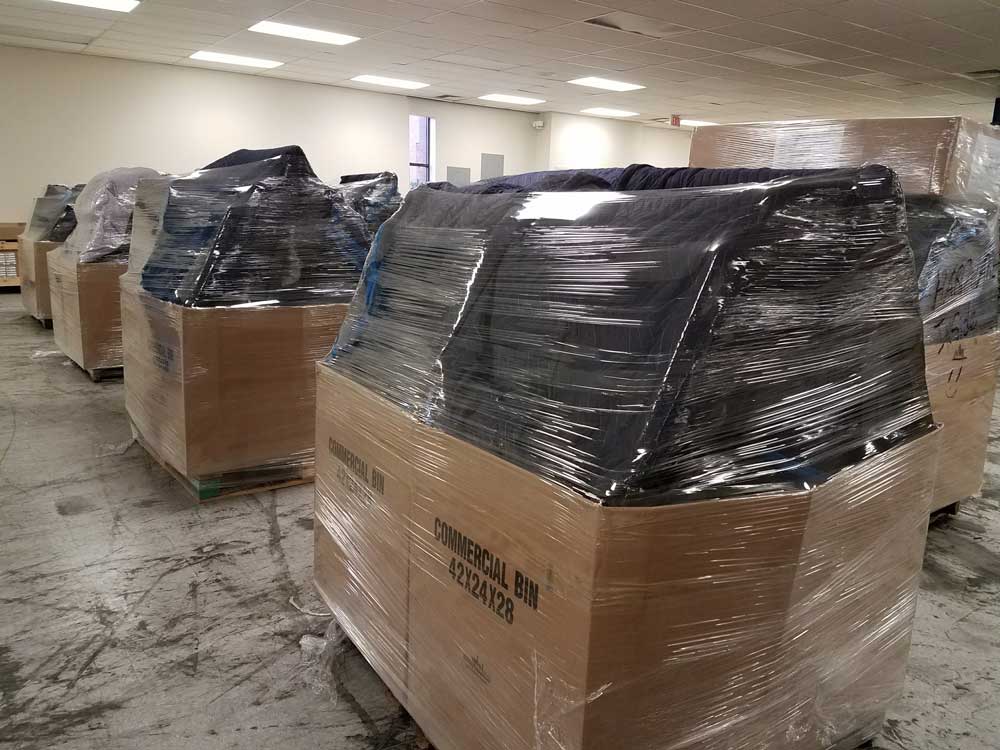
Relocating a business requires careful planning and execution to ensure minimal disruption to operations. Hiring a commercial moving company in NYC provides businesses with the expertise, equipment, and organizational skills needed for a smooth transition.
1. Minimizes Downtime and Business Disruptions
A well-organized move reduces interruptions and ensures that business operations resume as quickly as possible. Professional movers follow a structured plan to keep the relocation process on schedule.
- Strategic Planning: A commercial moving company creates a detailed moving plan, outlining key steps to ensure efficiency and avoid unnecessary delays.
- Efficient Execution: Professional movers work systematically to transport items quickly and safely, reducing the amount of downtime for the business.
- Flexible Scheduling: Many moving companies offer after-hours or weekend moving services to prevent disruptions during peak business hours.
2. Proper Equipment and Handling for Asset Protection
Commercial moves involve transporting delicate and valuable office equipment, furniture, and sensitive business materials. A commercial moving company uses specialized tools and techniques to ensure everything remains undamaged.
- Specialized Moving Equipment: Moving companies use protective padding, dollies, and secure straps to prevent damage to furniture and electronics during transport.
- Trained Moving Professionals: Movers are trained in proper lifting, packing, and transportation methods to minimize the risk of breakage or loss.
- Secure Transportation: Moving trucks are equipped with safety features that keep office equipment stable and protected throughout the journey.
3. Efficient Packing and Organization for a Seamless Move
Packing and organizing a business relocation can be time-consuming and complex. A commercial moving company streamlines this process by ensuring all items are properly packed, labeled, and transported efficiently.
- Systematic Packing: Movers use a structured approach to pack office items, ensuring they remain organized and easy to access upon arrival.
- Labeling and Inventory Management: Clearly labeled boxes and detailed inventory lists help businesses keep track of important documents, electronics, and supplies.
- Unpacking and Setup Assistance: Many moving companies offer unpacking and furniture arrangement services to help businesses resume operations as quickly as possible.
How to Plan a Stress-Free Commercial Move in NYC
Relocating a business in NYC requires careful planning to ensure minimal disruption and a smooth transition. A well-structured approach by a commercial moving company helps businesses stay organized, avoid costly delays, and maintain operational efficiency.
1. Create a Relocation Timeline
A structured timeline helps businesses stay on track and ensures every phase of the move is executed efficiently. Establishing key milestones and deadlines prevents last-minute scrambling and keeps all stakeholders informed.
- Set a Moving Date: Choose a moving date that minimizes disruption to daily operations, considering business cycles and peak work periods.
- Develop a Step-by-Step Plan: Outline all moving phases, from pre-move packing and IT disconnection to post-move setup and workspace organization.
- Assign Responsibilities: Designate team members to oversee different aspects of the move, such as packing, logistics, and employee coordination.
- Schedule Walkthroughs and Inspections: Conduct pre-move inspections to ensure the new location is move-in ready and confirm that all necessary utilities and services are set up.
2. Coordinate With Employees and Stakeholders
Keeping employees and key stakeholders informed about the moving process ensures a seamless transition. Clear communication helps prevent confusion and disruptions in workflow.
- Hold Regular Meetings: Provide updates on the moving timeline, expectations, and changes to work arrangements.
- Distribute Packing Guidelines: Ensure employees know how to prepare their workspaces and personal items before moving day.
- Minimize Business Disruptions: Plan for remote work or staggered move-in schedules to keep essential operations running smoothly.
- Address Employee Concerns: Provide assistance with parking, commuting adjustments, and workspace changes to ease the transition.
3. Utilize Secure Storage Solutions
Businesses often need temporary storage during a move, whether for excess inventory, office furniture, or archived documents. Secure storage options help manage space efficiently and keep non-essential items safe.
- Storage for Excess Items: Provides a safe place to store furniture, equipment, and supplies that are not immediately needed in the new space.
- Climate-Controlled Units for Sensitive Equipment: Protects electronics, important documents, and temperature-sensitive materials from damage caused by extreme temperatures. Excessive heat can slow down or permanently harm electronic devices, including computers and other essential business equipment. This makes climate-controlled storage crucial for long-term preservation.
- Inventory Management Assistance: Helps businesses keep track of stored items and access them when needed.
4. Confirm Logistics and Permits
Navigating NYC’s complex moving regulations requires careful planning to avoid delays and compliance issues. Coordinating logistics with a commercial moving company ensures all necessary permits and access arrangements are in place.
- Secure Building Access Approvals: Coordinate with property management at both locations to schedule move-in and move-out times.
- Obtain Required Moving Permits: NYC may require specific permits for commercial relocations, particularly when using loading zones or freight elevators.
- Plan Parking and Loading Arrangements: Identify designated areas for moving trucks to avoid fines or access issues.
- Coordinate IT and Utility Transfers: Ensure internet, phone lines, and utilities are set up at the new location before the move.
Choosing a Reputable Commercial Moving Company in NYC
Selecting a reliable commercial moving company in NYC requires careful research to ensure a smooth and efficient relocation. A trusted provider will have the experience, resources, and professionalism to handle business assets while minimizing disruptions.
1. Research and Compare Providers
Start by identifying a commercial moving company that specializes in commercial moves and reviewing their experience, services, and reputation. Checking online reviews, testimonials, and BBB ratings helps assess reliability. NYC relocations come with unique challenges like parking restrictions and building regulations, so choosing a mover familiar with the city ensures a smoother process.
2. Request Site Inspections and Estimates
A reputable commercial moving company should conduct an on-site evaluation to provide an accurate estimate and identify potential challenges. Requesting a customized moving plan ensures efficiency and reduces unexpected delays. Clear cost estimates, including labor, transportation, and additional services, help businesses budget effectively. For accurate estimates, it’s best to contract reliable providers like Clancy Relocation & Logistics.
3. Verify Contracts and Policies
Before signing an agreement, businesses should review service terms, valuation coverage, and cancellation policies. A well-defined contract should outline estimated costs, timelines, and scope of work. Confirming liability protection for lost or damaged items ensures financial security. Understanding cancellation and rescheduling policies helps avoid unexpected penalties. All agreements, including additional fees, should be in writing for transparency and accountability.
4. Check for Industry Certifications and Compliance
A professional commercial moving company should comply with industry standards and necessary regulations to ensure a reliable and safe relocation. Companies that transport cargo or passengers across state lines must be registered with the Federal Motor Carrier Safety Administration (FMCSA) and have a valid USDOT Number. Compliance with these regulations demonstrates credibility and ensures the mover follows proper safety and operational guidelines when handling business relocations.
5. Assess Equipment and Workforce Capabilities
The right commercial moving company should have the necessary equipment and trained personnel to handle commercial moves efficiently. Well-maintained moving trucks, specialized equipment for heavy office furniture, and skilled movers trained in packing and transport techniques ensure a smooth transition. A provider with a well-equipped team can minimize downtime and reduce the risk of damage to business assets.
6. Confirm Availability and Scheduling Flexibility
Businesses should choose a commercial moving company that offers flexible scheduling to accommodate operational needs. Some companies provide after-hours or weekend moving services to minimize disruptions. Verifying the mover’s availability and ability to meet specific deadlines helps prevent last-minute delays and ensures a seamless relocation process.
Frequently Asked Questions
How do we update our business address after moving?
Updating a business address requires notifying multiple parties. Start by updating the address on the company website, social media profiles, and business listings like Google My Business. Inform clients, vendors, and service providers to avoid missed communications. Government agencies, banks, and valuation providers should also be notified. If the business receives mail or deliveries, update the address with the postal service and suppliers.
Will a commercial move disrupt business operations?
There is always some level of disruption during a commercial move, but proper planning can keep it minimal. Businesses often move during non-working hours or weekends to reduce downtime. Some companies set up temporary workspaces or allow remote work to ensure continuity. Communicating with clients and suppliers about the move helps manage expectations. IT and phone services should be set up in advance to avoid communication gaps.
What happens if something gets lost or damaged during the move?
Most professional moving companies have policies in place to handle lost or damaged items. Businesses should take inventory before and after the move to track all equipment and furniture. If an item is missing or broken, it should be reported to the moving company as soon as possible. Many movers offer valuation options to cover potential damages. It’s also wise to back up important data and secure fragile or valuable items separately.
How long does a commercial move usually take?
The time required for a commercial move depends on the size of the business, the amount of equipment, and the distance between locations. A small office with minimal furniture might take a single day, while a large corporate move could take several days or even weeks. Factors such as packing, transportation, and setting up at the new location also affect the timeline. Moving within the same city is usually faster than relocating to another state. Planning in advance and hiring experienced movers can help speed up the process.
When is the best time to schedule a commercial move?
The best time to move a business depends on its industry and operations. Many companies prefer to move on weekends or after business hours to avoid interruptions. If the business is seasonal, it’s ideal to schedule the move during a slow period to minimize the impact on customers. Some businesses move at the end of their lease term to avoid overlapping rental costs. Movers also tend to be busier at the beginning and end of the month, so scheduling in the middle may offer more flexibility. The earlier the move is planned, the better the chances of securing a convenient date.
Ensure a Smooth and Efficient Move with Expert Commercial Movers in NYC!
Relocating a business in NYC requires careful planning, precision, and expertise. Clancy Relocation & Logistics provides professional moving solutions tailored to meet the demands of commercial relocations across NYC. With secure handling, organized transportation, and expert coordination, every aspect of the move is managed efficiently to minimize downtime. As a trusted provider in NYC, Clancy Relocation & Logistics ensures a seamless transition, whether for office moves, corporate relocations, or specialized commercial needs.
Connect with us today for the best commercial moving solutions in NYC!
Contact Clancy Relocation & Logistics today to discuss customized moving solutions for a stress-free relocation.