How to Get Your Team Ready for a Business Move
1. Communicate Early and Clearly
When a company is planning to relocate, open and early communication is key to keeping the team grounded. A strong office relocation communication plan helps everyone understand what’s happening and why, setting the stage for smoother transitions and better morale throughout the process of managing teams during business moves.
Notify Employees as Soon as the Plans Are Final
Keeping employees informed from the start prevents confusion and builds trust across the team. Doing so sets a professional tone and shows respect for everyone affected by the relocation.
- Build Trust Through Transparency: Letting employees know early gives them time to prepare and feel involved in the process. This approach encourages engagement and supports healthy team dynamics during the shift.
- Avoid the Rumor Mill: Early announcements reduce the risk of misinformation spreading around the office. A clear message from leadership ensures the narrative stays accurate and consistent.
- Set a Professional Tone: Timely updates show that the business is organized and mindful of its team’s needs. This helps employees approach the relocation with confidence and cooperation.
Explain the Reasons Behind the Move
People are more likely to accept change when they understand the reasoning behind it. Offering a clear explanation helps employees see how the move fits into the company’s bigger picture, which is important in change management in business relocation.
- Share the Business Benefits: Whether the goal is expansion, better infrastructure, or lowering overhead costs, the reasons should be explained in a way that’s easy to understand. This reinforces the idea that the move is a step forward, not a disruption.
- Tie It to Future Opportunities: Describe how the new location might improve collaboration, access to clients, or employee comfort. Framing the relocation as an upgrade helps people view it as a long-term advantage.
- Keep It Honest but Positive: If the move is happening due to challenges like lease changes or rising expenses, explain it openly without creating fear. Pair that honesty with optimism about the new possibilities ahead.
Share the Timeline and Expectations
Clear timelines reduce stress by giving employees a roadmap to follow. When people know what to expect and when, it makes managing teams during business moves a lot easier for everyone involved.
- Create a Simple Timeline: Include key dates for packing, moving, setting up the new office, and returning to full operations. Sharing this early helps people plan both their work and personal responsibilities around the changes.
- Explain What’s Expected: Let the team know if they’ll need to label items, pack up personal belongings, or shift to remote work during the transition. These small details are essential to making the move run smoothly.
2. Involve the Team in Planning
Involving employees in the planning process helps create a smoother, more organized move. It also supports a stronger office relocation communication plan, where team members feel informed and involved every step of the way.
Gather Input on Concerns and Needs
Employees often feel uncertain during a move, especially if they don’t know how their daily routine will be affected. Listening to their concerns is a key part of managing teams during a business move, as it builds trust and helps leadership prepare better.
- Run Team Surveys or Feedback Sessions: Ask employees what challenges they expect from the relocation, such as changes to commute, workspace, or schedule. These insights can shape relocation plans to fit real team needs and make change management in business relocation easier to handle.
- Include All Departments: Every department experiences a move differently, from tech to admin, and they all have different needs. Including a variety of perspectives ensures more complete planning and supports a company-wide sense of readiness.
- Identify Special Requests: Some employees may need things like flexible work hours, parking access, or equipment support after the move. Understanding these ahead of time helps create a more tailored approach to how to prepare your team for a business relocation.
Invite Suggestions for Improving the Transition
Inviting ideas from the team can lead to simple but smart ways to improve the moving process. It also strengthens employee buy-in and promotes active participation in managing teams during business moves, helping to ensure a smoother transition for everyone involved.
- Create a Suggestion Channel: Use an online form or shared folder where staff can easily submit ideas without pressure. Making feedback accessible is an easy win when managing teams during a business move.
- Host a Brainstorm Meeting: Bring teams together to discuss moving day logistics or what support would help the most during the transition. This encourages group problem-solving and leads to solutions leadership may not have considered.
- Acknowledge Useful Ideas: If a team member shares a helpful tip or idea, give them credit in a team meeting or message. Doing this boosts morale and shows that their voices play a role in how to prepare your team for a business relocation.
Provide Regular Updates to Keep Everyone Informed
Clear and frequent communication helps reduce confusion and prepares everyone for each step of the move. A strong office relocation communication plan keeps stress levels down and team confidence up.
- Send Weekly Emails or Messages: Use emails, team chat platforms, or short videos to explain move progress and any updates. Keeping everyone informed helps people stay focused on their work while preparing for the change.
- Share a Timeline or Checklist: Post visual updates like calendars or checklists in shared spaces so the team knows what to expect. A clear timeline is a helpful part of managing teams during a business move and prevents last-minute surprises.
- Hold Quick Team Check-Ins: Use regular meetings or brief team huddles to repeat updates and answer quick questions. This approach helps reinforce key details while showing leadership is committed to change management in business relocation.
3. Provide Practical Support
Relocating a business involves more than just packing up boxes—it’s about making sure the team is supported throughout every step. Offering hands-on help, clear information, and the right tools plays a big part in managing teams during a business move and supports a smooth change management in the business relocation process.
Offer Resources for a Smooth Transition
Giving employees the right materials and help early on can prevent confusion and delays during the move. These resources should be easy to access and clearly explained.
- Packing Supplies: Provide basic items like sturdy boxes, bubble wrap, tape, and markers to help staff pack up safely and efficiently. This allows employees to begin early and feel more in control of their moving tasks.
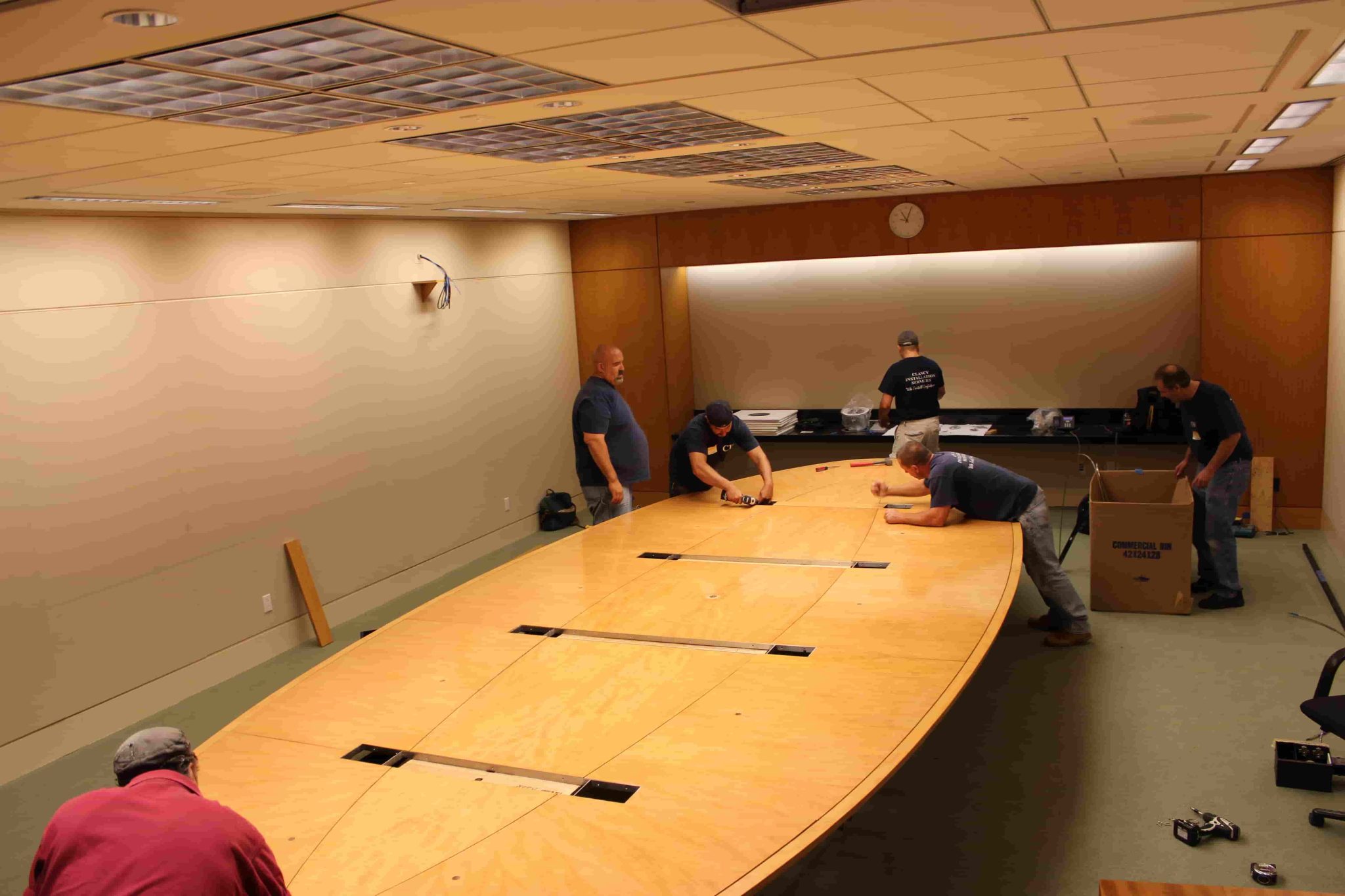
- Moving Assistance: Hire professional movers or offer a team to help transport equipment, furniture, or heavier items. This reduces the risk of injury and ensures company property is moved securely.
- Labeling System: Create a simple labeling system using color codes or clear tags so employees know where each box belongs. It speeds up unpacking and helps everything land in the right place during setup.
Assist With Commute Adjustments and Relocation Benefits
A move often brings changes to daily routines, especially travel times. Supporting these changes plays a vital role in how to prepare your team for a business relocation.
- Updated Commute Info: Share maps, parking guides, and nearby transit routes with the team before the move. This prepares employees for the change and avoids confusion on the first day.
- Flexible Start Times: Allow staggered start times or adjusted work hours during the first week in the new office. Doing so helps reduce stress, especially for those adapting to longer or unfamiliar routes.
- Relocation Stipends or Support: Offer financial support like gas cards or small moving allowances to employees who may need extra help relocating. This shows that leadership is mindful of the real-life impacts of the move.
Arrange Walkthroughs or Virtual Tours of the New Location
Familiarizing the team with the new space in advance can ease anxiety and improve productivity from day one. These small steps also support a clear office relocation communication plan.
- On-Site Visits: Set up guided walkthroughs so employees can explore their new workspace before the move. It allows them to get comfortable with the environment and ask questions in person.
- Virtual Tours: If visiting isn’t possible, send out a video tour or 3D walkthrough that shows important areas like workstations, meeting rooms, and common spaces. This helps employees picture their new day-to-day and feel more prepared.
- Floor Plans and Seating Charts: Share simple maps of the office layout and where everyone will sit ahead of time. It reduces first-day confusion and helps teams settle in faster.
4. Minimize Business Disruption
When relocating a business and preparing for a smooth transition, it’s important to keep operations running smoothly. Employees still need to work, clients still expect service, and the daily workflow shouldn’t stop just because the office is moving. Knowing how to prepare your team for a business relocation through proper planning and communication is essential to ensure minimal disruption.
Plan for Continuity During the Move
The goal is to keep business activities flowing even while the physical move is happening. This requires preparation, smart scheduling, and backups that can handle unexpected issues.
- Use a Staggered Moving Schedule: Move departments or teams in phases to avoid shutting everything down at once. This allows some staff to continue working while others are transitioning to the new space.
- Create Backup Systems: Set up safeguards in case things don’t go as planned—such as cloud-based file access, backup internet solutions, and alternate communication tools. With 76% of organizations having faced critical data loss—and 45% of them losing that data permanently—having reliable backups isn’t optional; it’s essential.
- Prepare Remote Work Options: Give team members the flexibility to work from home during the transition period, especially if their equipment or workspace is temporarily unavailable.
- Set Up Temporary Work Zones: If possible, create short-term work areas at either the old or new site to bridge the gap between the two offices.
Communicate All Key Dates
A reliable office relocation communication plan includes clear and early communication of all important timelines. This avoids confusion and gives everyone time to prepare.
- Final Day in the Old Office: Let the team know exactly when operations will stop in the current location. Give them enough time to finish tasks and pack their items.
- First Day in the New Office: Share the official reopening date so staff can adjust their schedules. Provide directions and access instructions for the new site.
- Moving Timeline by Department: If different teams are moving on different days, list each department’s moving schedule so there’s no overlap or miscommunication.
- Cutoff Dates for Technology Setup: Tell employees when internet, phone, or software systems will go offline or come back online during the move.
Test Technology and Infrastructure
Before anyone starts working in the new space, it’s essential to make sure everything works properly. Don’t wait until the first day to discover that the internet is down or phones aren’t connected.
- Test Internet and Wi-Fi Strength: Run checks throughout the new office to make sure everyone will have access to a fast, stable connection.
- Check Power Outlets and Lighting: Confirm that workstations have enough power sources and that lighting is working in all areas.
- Set Up and Test Office Equipment: Printers, phones, monitors, and any special hardware should be installed and tested before employees arrive.
- Ensure Security Systems Are Active: Make sure entry systems, alarms, and any security cameras are functioning properly.
- Try Internal Communication Tools: Test messaging apps, phones, and any systems the team uses to stay in touch.
5. Focus on Team Morale
A business move isn’t just about changing a physical space—it also affects people. When a company relocates, employees may feel uncertain, anxious, or even resistant. Addressing these emotions with care can make the transition smoother and more positive for everyone.
Acknowledge That Change Can Be Tough
Moving to a new office can create stress. Some employees might be worried about their commute, changes in routine, or even just leaving a space they were comfortable in. Leaders should be mindful of this emotional impact.
- Recognize Emotional Reactions: Employees may feel excitement, worry, or frustration. These emotions are normal and deserve space.
- Open the Door to Conversations: Encouraging honest conversations helps employees feel heard. Having regular check-ins or anonymous surveys can surface any concerns.
- Keep Language Reassuring and Clear: Using simple and positive language as part of the office relocation communication plan helps ease confusion and avoid panic.
Plan Events to Rebuild Connection
Planning moments of connection can boost morale and help everyone feel more settled in the new space. These events don’t have to be big, but they should feel meaningful.
- Host a Welcome Lunch or Breakfast: A casual meal in the new space gives everyone a chance to relax and chat away from their desks.
- Team Bonding Activities: Organize a short team-building exercise, like a fun trivia game or office scavenger hunt, to bring energy into the new environment.
- Mini “Explore the Office” Tour: Let teams explore their new surroundings with guided tours, introductions to nearby amenities, and time to personalize their workstations.
Celebrate the Move as a Milestone
Relocation can feel like an end, but it’s also a new beginning. Framing it as a shared success keeps energy high and sets a positive tone moving forward.
- Send a “We Did It” Message: A short company-wide message from leadership can go a long way. Thank the team for their patience and highlight key people who helped.
- Display a Memory Wall: Set up a bulletin board with fun photos from the old office and new space. This small touch blends the past with the future.
- Launch a Team Recognition Moment: Consider small rewards or shout-outs during the first team meeting in the new office to spotlight adaptability and effort.