Table of Contents
Key Takeaways✔ Moving abroad requires planning, organization, and cultural preparation. ✔ A clear plan and timeline make relocation easier and less stressful. ✔ Professional movers ensure safe, efficient, and well-coordinated moves. ✔ Costs vary by shipment and distance; consult trusted providers for estimates. |
To move out of the country, first research your destination, then obtain your passport and necessary visas. Next, create a financial plan, secure housing, and sort out healthcare and important documents. Finally, arrange your belongings by selling or shipping what you can’t take, update your addresses and subscriptions, and prepare emotionally for the transition to a new country and culture.

How to Move Out of the Country
✔ Research & Preparation
Before starting any paperwork or packing, it’s important to understand the new destination. Every country has its own lifestyle, culture, and regulations. Doing proper research early helps prevent surprises later.
Destination Research
Learning about the country’s cost of living, housing, healthcare, and utilities gives a clear idea of what to expect. It’s helpful to read about local customs, transportation options, and safety. This research builds confidence and helps create a realistic relocation plan.
Language Skills
For smoother communication, learning the local language—even basic words or phrases—can go a long way. Language barriers can affect daily life, such as shopping or using public transportation, so practicing before arrival is wise.
Cultural Awareness
Understanding traditions, holidays, and etiquette is another key part of preparation. Adjusting to a new culture takes time, but showing respect and curiosity can help anyone settle in faster.
✔ Required Documents for International Relocation
Legal paperwork is often the most time-consuming step in an international relocation. Gathering documents early ensures smoother processing when it’s time to move.
1. Passports & Visas
Every international move requires a valid passport. It’s best to check the expiration date at least six months before departure. For most destinations, a visa or residency permit is also needed, depending on the length and purpose of stay.
2. Vital Records
Certain documents must be ready for immigration, employment, and housing. These include:
- Birth certificates for identification and family records.
- Marriage or divorce papers for legal proof of status.
- Child custody papers if relocating with children.
3. Health and Education Records
Medical and dental records, vaccination history, and academic transcripts should be kept together. Having these on hand helps when enrolling children in school or finding local healthcare providers.
4. Digital Copies
Making digital copies of every important document as well as your checklist for moving to another country is essential. Storing these securely online or on a backup drive ensures access if physical copies are misplaced.
For anyone researching the required documents for international relocation, the list above provides a good starting point. Regulations vary by country, so checking with an embassy or consulate is always recommended.
✔ Financial & Tax Planning
Finances play a major role in any overseas move. Understanding international moving costs, how to manage funds abroad, and what taxes may apply helps avoid unexpected challenges.
Creating a Budget
A clear budget should cover both moving and living expenses. Estimating international moving costs helps plan ahead, as prices vary by shipment size, distance, and destination. Include short-term housing and setup costs for a smoother transition.
Banking Arrangements
Notify banks before traveling to avoid account issues. Opening an overseas account allows easier access to funds and bill payments after arrival.
Tax Obligations
Tax rules differ by country. Consulting a tax professional familiar with international laws helps ensure compliance and prevents double taxation.
✔ Logistics & Moving Arrangements
Managing the physical side of an international move requires attention to detail and good organization. Deciding how to transport belongings and what to bring often takes longer than expected, especially for those moving with families or pets.
Housing Arrangements
Before arriving, arranging either temporary or permanent housing is essential. This reduces stress and gives time to explore neighborhoods after settling in. Some movers also assist with home delivery coordination once shipments arrive.
Sorting Belongings
Not everything needs to travel across the ocean. The process can be broken down into three main steps:
- Keep: Sentimental or high-value items that are worth shipping.
- Sell or Donate: Furniture, appliances, and clothing that are easy to replace abroad.
- Store: Items that may be needed later but not immediately after the move.
Choosing Moving Options
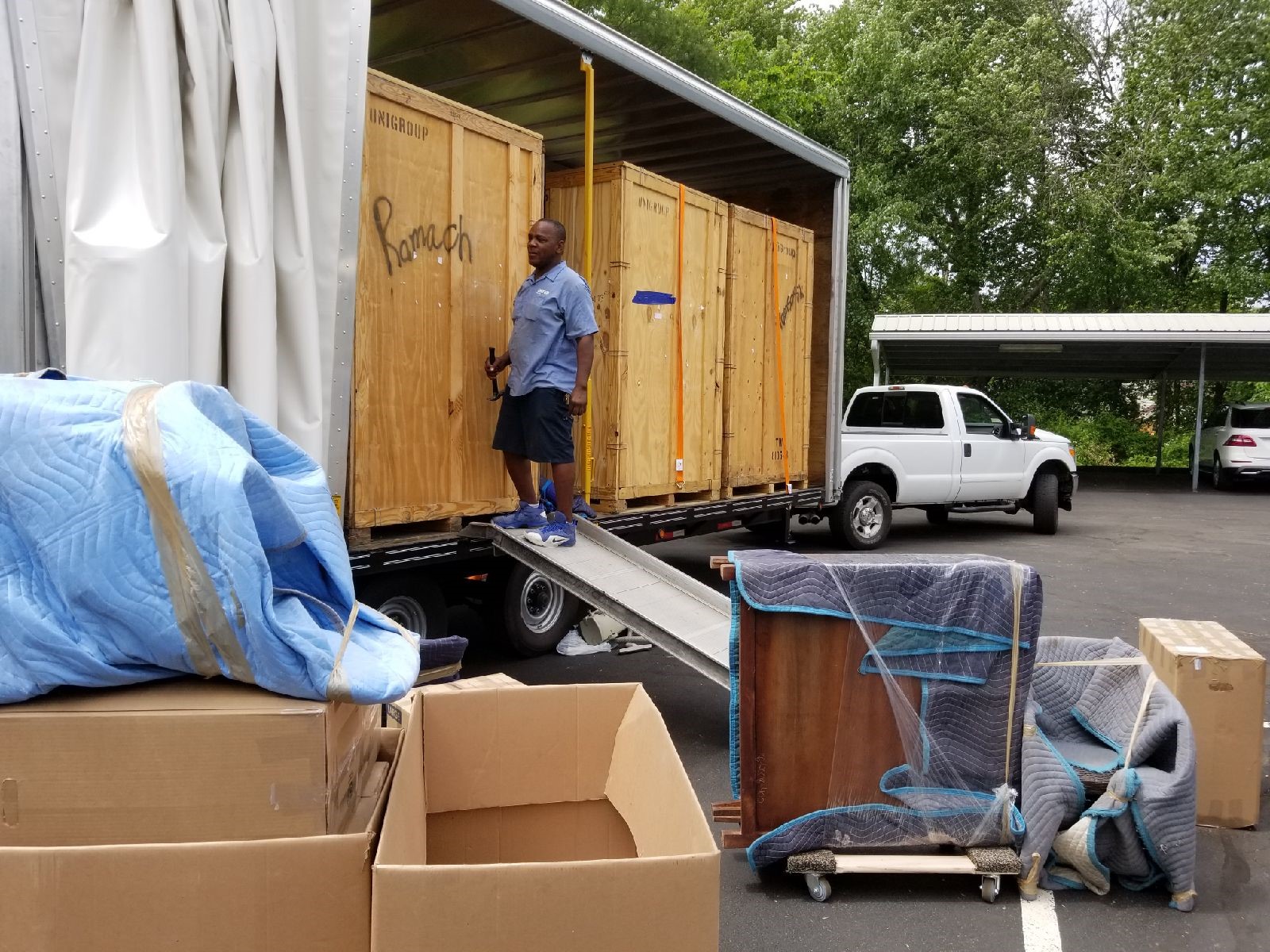
There are several moving options for international relocations, including air freight, sea freight, or a combination of both. Professional relocation companies can guide clients through the best method based on timeline, volume, and destination requirements. These services often include packing, customs assistance, and delivery at the final destination.
Working with reputable relocation providers such as Clancy Relocation & Logistics helps ensure that shipments are handled with care and efficiency.
Packing Essentials Box
An “essentials” box should include items needed immediately after arrival—important documents, chargers, a few days’ clothing, toiletries, and any valuables. This box should travel separately or remain within easy reach.
Moving with Pets
For those relocating with animals, understanding pet import regulations is a must. Many countries require vaccinations, microchips, and medical certificates. Checking airline requirements early helps avoid travel delays.
✔ Pre-Departure Tasks
As departure day approaches, the final weeks are about tying up loose ends. These small details make the transition easier once in the new country.
Healthcare Preparation
Schedule check-ups before leaving and secure international health coverage. Keep vaccination records updated, as most countries require them.
Address and Subscriptions
Update addresses, forward mail, and cancel or transfer subscriptions, utilities, and memberships before departure.
Communication Plan
Stay connected with family and friends through online messaging or video calls to ease the transition.
✔ Settling into a New Country
Once arrived, the first few weeks are about adapting to a new environment and creating a sense of comfort and familiarity.
Arrival Essentials
After unpacking, registering with local authorities (if required) is often the first step. Opening a local bank account, setting up phone service, and exploring transportation options help establish daily routines.
Adjusting to the Culture
Cultural adjustment takes time, but staying open-minded helps the process. Participating in community events or joining local clubs can make it easier to meet new people and feel at home.
Ongoing Support
Even after moving, relocation companies can assist with additional services such as storage, furniture delivery, or document handling. Having professionals to rely on adds peace of mind, especially for first-time international movers.
How Can a Moving Plan Be Created for an International Move?
Creating a moving plan for an overseas relocation is all about structure and timing. Each stage of the process should be broken into clear steps that make the move more manageable and less stressful.
Here’s a simple guide to building an effective international moving plan:
- Start Early: Begin by researching the destination, visa requirements, and local customs several months in advance. This allows time to prepare and gather essential information.
- Set Clear Timelines: Divide tasks into smaller weekly or monthly goals, such as gathering documents, arranging housing, and booking international movers.
- Organize Paperwork: Collect necessary passports, health certificates, and employment documents early. Keeping digital copies stored securely is also helpful.
- Coordinate with Professionals: Work with relocation experts who can help manage packing, shipping, and customs clearance efficiently.
- Track Progress: Maintain a moving log or online tracker to stay on top of tasks and deadlines.
Having a checklist for moving to another country is extremely helpful at this stage. It keeps all responsibilities, documents, and travel arrangements organized in one place.
Professional relocation companies such as Clancy Relocation & Logistics can also assist in making custom timelines that align with your schedule. This type of structured planning helps make an international move more predictable and less overwhelming.
What’s the Most Practical Way to Relocate Long-Distance or Internationally?
Relocating to another country can be simplified by partnering with a professional moving company that understands the complexities of global transportation. These experts handle everything—from packing to shipment tracking—while ensuring belongings are protected through valuation coverage.
Key steps for a practical and stress-free relocation include:
- Consult with Experts: Professional movers assess shipment needs and provide advice on transport options such as air or sea freight.
- Choose the Right Moving Options: Select the method that balances time, cost, and security based on the destination and shipment size.
- Plan for Valuation Coverage: Opt for coverage that ensures compensation in case of unexpected loss or damage during transport.
- Prepare Inventory Lists: Detailed inventories help movers and customs officials process shipments smoothly.
- Stay Informed: Maintain open communication with the relocation team to receive updates throughout the process.
At this stage, the checklist for moving to another country becomes even more valuable. It helps ensure every critical step—from booking movers to confirming shipping details—is completed in order.
Meanwhile, keeping all required documents for international relocation readily available supports a smooth customs process and avoids shipment delays.
How Much Does It Cost to Relocate Internationally?
When it comes to cost, every international move is unique. Several factors influence international moving costs, including shipment volume, destination distance, and service options selected. Understanding these early helps in setting a realistic budget.
Main cost considerations include:
- Shipping Method: Air freight is faster but more expensive, while sea freight is cost-effective for large shipments.
- Volume and Weight: The more items shipped, the higher the total cost. Downsizing before the move can help save money.
- Destination Fees: Customs duties, import taxes, and destination handling charges can vary by country.
- Storage and Handling: If storage is needed before or after arrival, additional fees may apply.
- Extra Services: Packing, crating, or handling fragile and oversized items often come with added charges.
Frequently Asked Questions
What is the best time of year to move internationally?
The best time to move abroad depends on personal circumstances, climate, and scheduling needs. Many prefer to relocate during spring or early fall to avoid extreme weather or peak moving seasons. However, the availability of housing or school schedules may also influence timing. It’s often best to plan several months regardless of the season.
How long does an international move usually take?
The duration of an international move varies depending on distance, shipping method, and customs processing. Air freight may take a few weeks, while sea freight can take several weeks to a few months. Factors such as paperwork delays or weather conditions may also affect transit times.
What happens if belongings are delayed during shipment?
If a shipment is delayed, the moving company will typically provide updates and revised delivery timelines. Most delays are due to customs inspections or port congestion. Reputable movers assist in tracking shipments and coordinating new delivery dates once clearance is complete.
Is temporary storage available before or after moving abroad?
Yes, most relocation companies offer short-term or long-term storage solutions. These facilities are secure, climate-controlled, and ideal for items that can’t be shipped immediately. It’s a practical option for anyone finalizing housing or travel arrangements abroad.
What are the common challenges faced during international relocation?
Common challenges include managing documents, coordinating logistics, and adjusting to a new culture. Time zone differences, customs clearance, and transportation schedules can also cause delays. Working with an experienced mover reduces many of these difficulties.

Plan an International Move with Confidence!
Clancy Relocation & Logistics provides trusted expertise for individuals, families, and businesses relocating abroad. From professional packing and secure shipment handling to coordination of customs documentation, every detail is managed with care and precision. Our team ensures belongings arrive safely and on schedule, offering peace of mind throughout the entire relocation process.
Contact Clancy Relocation & Logistics today to begin planning a smooth and organized international move.