
Relocating your entire home is no small feat—and if you’d rather not lift a finger, full-service movers can handle everything from disassembling furniture to unpacking your last box. But with all that help comes a price tag, and understanding what goes into that cost is key to planning your move without financial surprises.
Here are the major cost factors, typical price ranges, and what you can expect to pay for a full-service move.
What is a Full-Service Move?
A full-service move is a comprehensive moving solution in which the moving company handles virtually every aspect of the relocation process. Unlike standard moving services that may only cover transportation, full-service movers take care of everything from start to finish. This includes:
- Packing: Movers supply packing materials and professionally pack all household items, ensuring fragile and valuable items are securely protected.
- Loading: The team handles the heavy lifting, loading all packed items onto the moving truck.
- Transporting: Belongings are safely transported to the new location, whether across town or across the country.
- Unloading and Unpacking: Upon arrival, movers unload the truck and can also unpack items and place them in designated areas, if requested.
Who Typically Uses Full-Service Movers?
Full-service movers are often the go-to choice for individuals or families seeking convenience, time savings, and reduced physical labor. They are especially popular among:
- Busy professionals who may not have the time to manage the logistics of a move.
- Seniors or people with mobility issues who need physical assistance.
- Long-distance movers who prefer to leave the complexities of cross-state or cross-country relocation to experts.
- Families with young children are looking to minimize stress and disruption.
- People relocating for work who are on a tight timeline or whose move is being handled by a corporate relocation package.
Average Cost of Full-Service Moves

A full-service move means less work for the homeowner, but many ask upfront, how much do movers cost for that level of help? The cost changes depending on the move’s distance, how large the home is, and whether any special services are needed. While it may cost more than doing it yourself, full-service moving can be a major time-saver.
Here’s a general breakdown of mover cost estimates based on distance and home size:
DISCLAIMER: Prices can vary depending on the season, location, and the specific details of each move. For the most accurate pricing, it’s a good idea to reach out to trusted local movers like Clancy Relocation & Logistics for a detailed quote.
5 Factors That Affect Full-Service Moving Costs
Understanding the factors that influence full-service moving costs can help individuals budget more effectively and avoid unexpected charges. However, prices can vary widely depending on the moving company, time of year, and location. The ranges provided are general estimates and may not reflect exact costs for every situation. For the most accurate and up-to-date pricing, it’s best to get a personalized quote from a trusted provider like Clancy Relocation & Logistics.
1. Distance and Location
The farther someone needs to move, the more it will cost. The answer to how much do movers cost can vary greatly depending on whether it’s a local or long-distance move, as longer distances require more fuel, travel time, and effort.
- Local vs. Long-Distance: Shorter moves within the same city typically cost less, but long-distance moves often add fuel and labor charges. For moves across multiple states, the price could increase due to travel time, tolls, and longer hours for the movers.
- Remote Areas: If the destination is in a less accessible location, such as a rural area, the moving company may need additional time and resources to reach it. This can result in higher mover cost estimates compared to urban moves.
2. Volume and Weight of Belongings
The more items that need to be moved, the higher the overall cost. Larger volumes of goods, especially heavy furniture, often require larger trucks and more movers, leading to increased fees. This is a key factor in any moving company price guide and can significantly impact the final bill.
- Large Furniture: Pieces such as sofas, mattresses, and dining tables are heavy, requiring extra effort and specialized equipment to move safely. The greater the weight, the more expensive the transport costs can become.
- Total Boxes: More items typically mean more boxes, and each one adds time to the move. The answer to how much do moving services cost also depends on whether the moving company has to make multiple trips or use larger vehicles.
3. Specialty Items
Some household items need extra care, and moving them can drive up the cost. Knowing how much do movers cost also involves knowing price increases for fragile, bulky, or valuable items that require special handling or equipment.
- Large Appliances: Items like refrigerators, washers, and dryers often require disconnection, padding, and careful handling. Their size and weight make them harder to move, and some movers may charge extra for transporting them safely.
- Antiques or Art: High-value items like paintings, sculptures, or antique furniture may need custom crating or climate-controlled transportation. These items are sensitive to temperature changes—fluctuations can lead to cracking paint, warped wood, or damaged paper. Maintaining a steady environment, typically around 72°F, is essential to prevent long-term harm.
4. Access Issues
The accessibility of the current and new homes is another factor that can increase moving costs. Even if the move itself is local, challenging access conditions can add time and effort, which directly impacts the final price. These elements are often detailed in a moving company’s price guide, as they play a major role in labor estimates.
- Stairs: Moving items up or down stairs adds considerable time and labor costs. When elevators aren’t available, moving fees can rise due to the extra physical effort required.
- Long Walkways: If the truck can’t park near the door, movers have to carry items a longer distance. This can increase the labor costs, as movers spend more time and energy getting things to the truck.
5. Valuation and Valuation Coverage
Valuation and valuation coverage protect belongings during the move, and selecting a plan will affect the overall price. Deciding between basic and full coverage can help movers manage their budget when considering mover cost estimates.
- Basic Coverage: This minimal form of protection typically covers a small amount of damage or loss. If someone’s items are worth more than the coverage provides, they may need to pay extra for better protection.
- Full Value Protection: This is a higher level of valuation that guarantees compensation for any lost or damaged items. It’s generally more expensive but provides better peace of mind when valuable possessions are involved.
Additional Services and Fees
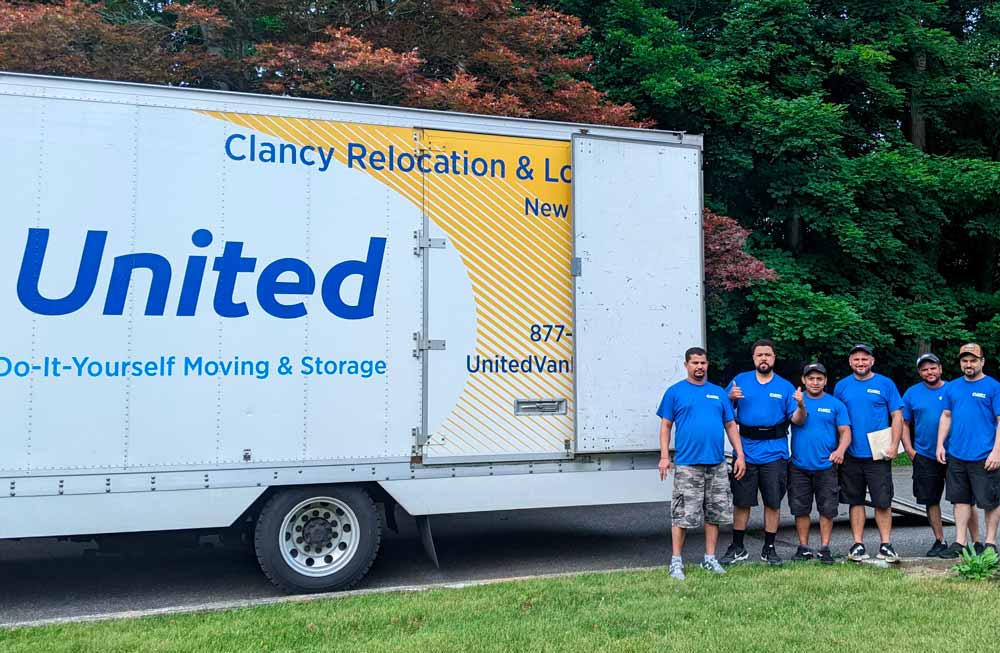
When considering a full-service move, it’s important to be aware of the extra services and fees that might be added to the base price. These additional services can significantly affect the total cost of hiring movers and impact the overall moving experience.
1. Packing Materials
Packing materials play a crucial role in keeping your belongings safe during transit. The cost of these materials can vary depending on the type and quantity needed, so it’s a good idea to check with your moving company for detailed pricing.
To make the packing process easier, professional movers like Clancy Relocation & Logistics also offer a helpful guide outlining what to pack and what not to pack, making it simpler to prepare for moving day while avoiding common mistakes.
- Boxes: Moving boxes can range in price depending on their size and durability. Specialized boxes for fragile or large items, such as wardrobe boxes, are typically more expensive than standard-sized boxes.
- Bubble Wrap and Packing Paper: Movers often use bubble wrap or packing paper to protect delicate or breakable items. These materials ensure that things like dishes, mirrors, or electronics are cushioned and less likely to break during transit.
- Tape: Movers will use tape to secure boxes and prevent them from opening during the move. The cost of tape can add up, especially if a large number of boxes need to be sealed—an often-overlooked factor when estimating how much do moving services cost overall.
2. Temporary Storage
If there’s a gap between moving out and moving into a new home, temporary storage may be needed. This is another service that can add to the mover cost estimates, depending on the storage duration and requirements.
- Storage Duration: The longer the storage, the more expensive it becomes. Rates can be charged by day, week, or month, so it’s essential to know exactly how long the items will be stored to avoid unexpected charges.
- Storage Type: Climate-controlled storage is often recommended for sensitive items like electronics, artwork, and delicate furniture. While it typically costs more than standard storage, it helps prevent issues caused by extreme temperature changes and humidity. Damp or humid conditions can lead to rust, corrosion, and even electrical problems, as moisture can seep into devices and cause short circuits or long-term damage.
3. Disassembly and Reassembly
Movers often disassemble large furniture to make it easier to transport and prevent damage. While this service adds convenience, it also affects the cost of hiring movers, so it’s important to get a clear estimate.
- Disassembly: Items like beds, tables, or shelving units may need to be taken apart for efficient transport. Movers will charge an additional fee for this service, depending on how complex the disassembly is.
- Reassembly: After the move, the movers will reassemble the furniture at the new location. This service ensures that everything is put back together correctly, but it often comes with an extra charge.
4. Last-Minute Bookings or Cancellations
Sometimes moving plans change unexpectedly, and this can impact the final cost. Mover cost estimates should always include the possibility of last-minute bookings or cancellations, which often carry additional fees.
- Booking on Short Notice: If a move needs to be scheduled quickly, companies may charge a premium. The closer to the moving date, the higher the likelihood of extra charges due to availability and resource allocation.
- Cancellations: Cancelling or rescheduling a move at the last minute often comes with a cancellation fee. Moving companies may charge a percentage of the total cost or a flat fee, depending on how soon the cancellation occurs. It’s an important detail to consider when calculating how much do moving services cost in the event of unexpected changes.
How to Get an Accurate Quote

When looking to hire movers, it’s important to understand how much do movers cost for a full-service move. Getting an accurate quote is the first step to avoid surprise charges later on. Here are some tips to ensure the price you’re given matches the service you’ll receive.
1. Schedule an In-Home or Virtual Estimate
One of the best ways to get an accurate mover cost estimate is by requesting an in-home or virtual estimate. Movers will be able to assess the amount of work required based on the size of the home, the number of items, and any special requirements for your move. This helps ensure that the quote is reflective of your actual needs.
- In-Home Estimates: A moving professional visits your home, reviews the items being moved, and provides a more precise quote. This method gives the most accurate estimate because the movers can physically see what they are dealing with.
- Virtual Estimates: If an in-person visit isn’t possible, virtual estimates via video calls are another great option. You’ll walk the moving professional through your home while they assess the situation, providing a good estimate based on the footage.
2. Review and Understand Moving Quotes
Once quotes have been received, the next step is to carefully review what each one includes. Even when pricing looks similar, the details can vary, and understanding the breakdown can help avoid unexpected charges later.
- Compare Service Inclusions: Look closely at what services are covered in each quote, such as packing, furniture protection, or temporary storage. One quote may seem cheaper but include fewer services.
- Look for Extra Charges: Review line items for potential added fees—some companies charge more for stairs, heavy items, or long carry distances. Make sure these are clearly listed and not hidden in fine print.
- Check the Estimate Type: See whether the quote is binding, non-binding, or binding-not-to-exceed. Binding estimates lock in the price, while non-binding ones can change based on final weight or services.
- Assess Value, Not Just Price: The cost of hiring movers should be weighed against what’s actually being offered. A slightly higher quote may offer better coverage, customer support, or handling for fragile items.
3. Ask Key Questions to Clarify Pricing and Services
Before accepting a quote, there are a few key questions that will help determine if a moving company is the right fit. By asking the right questions, it’s easier to assess whether the quote is fair and reflective of the actual services.
- What’s included in the price?: Ask about any extra services that may or may not be included in the quoted price, like packing or special handling.
- How is my property protected during the move?: Make sure the company has a solid valuation or valuation policy to cover damages.
- Are there additional fees for certain items?: Some companies charge more for items like antiques, large appliances, or fragile goods. Confirm any potential extra costs upfront.