
Table of Contents
10 Tips for Hiring Top Long Distance Movers
- Start the Search Early
- Ask for Recommendations
- Check Licensing and Valuation
- Read Reviews and Ratings
- Understand the Full Quote Before Agreeing
- Learn the Moving Process Step by Step
- Ask the Right Questions
- Look for Experience With Long Distance Moves
- Verify The Company’s Address and Contact Info
- Request a Detailed Inventory List
Make Long Distance Moving Easy With Clancy Relocation & Logistics!
Key Takeaways✔ Start early to give enough time to research, plan, and choose the right mover. ✔ Ask for recommendations to find movers with proven and trusted service. ✔ Check licenses and valuation coverage to ensure the company is legal and offers proper protection. ✔ Read reviews and ratings carefully to spot patterns and avoid fake or paid feedback. ✔ Understand the full quote to know exactly what’s included and prevent surprise fees. ✔ Learn the moving process to stay informed and ensure each step is clearly explained. ✔ Ask the right questions to uncover how the company handles timing, issues, and responsibilities. ✔ Choose movers with long distance experience to ensure smooth handling and reliable delivery. ✔ Verify the company’s address and contact info to confirm it’s a legitimate and established business. ✔ Request a detailed inventory list to track belongings and protect against loss or damage. |
Planning a long distance move can feel overwhelming. From packing up a home to coordinating timelines and finding a moving company, there are many details to handle. One of the most important steps is choosing the right movers, as the wrong choice can lead to delays, lost or damaged items, and hidden costs.
To help avoid costly mistakes and last-minute surprises, here are 10 expert tips for hiring the best long distance movers without regret.

10 Tips for Hiring Top Long Distance Movers
1. Start the Search Early
Moving long distance isn’t something that should be handled at the last minute. It takes time to find the best long distance movers, especially when the goal is to avoid hidden issues, delays, or extra costs. Starting early helps make the entire process smoother and less stressful.
Why Early Planning Makes a Big Difference
Giving enough time to find the right moving company helps avoid rushed decisions that could lead to mistakes or regrets. Last-minute choices can limit options and increase costs.
- More Time to Compare Movers: Early planning gives people a chance to research different licensed long distance movers, compare prices, and check which companies are available for their moving date.
- Better Chance of Booking Trusted Movers: Trusted long distance movers often book up fast, especially during busy seasons. Starting early increases the chances of securing a spot with a company that’s well-reviewed and dependable.
- Avoiding Peak Season Price Spikes: Some movers tend to charge more during summer or around the holidays. Booking ahead helps lock in better rates before prices go up.
- Time to Read and Understand Contracts: Early research allows for a full review of all moving agreements, policies, and fine print—avoiding unwanted surprises later.
- Room for Plan B If Needed: In case the first choice falls through or isn’t a good fit, there’s time to find a backup option without pressure.
2. Ask for Recommendations
Finding the right movers for a long-distance relocation can feel overwhelming. One of the most helpful starting points is asking people who have already gone through it. Referrals from friends, family, or coworkers can point someone toward reliable long distance movers with a proven track record.
Why Personal Referrals Matter
Hearing about real experiences helps narrow down choices. It gives a clearer picture of what to expect—from how the movers treated belongings to whether they stuck to the schedule.
- Firsthand Insight: Personal stories often reveal details that aren’t mentioned in ads or company websites. This kind of information helps people avoid companies that don’t live up to their promises.
- Time-Saving: Recommendations can quickly narrow the list to a few trustworthy companies. This saves hours of online research and guesswork.
- Built-In Trust: Referrals come with a level of confidence that’s hard to get from strangers’ reviews. People are more likely to go for trusted long distance movers when the recommendation comes from someone they know.
- More Reliable Choices: Movers who consistently get referred by others usually offer dependable service. These referrals can often lead to finding the best long distance movers available.
3. Check Licensing and Valuation
Before choosing a moving company, it’s essential to make sure they’re properly licensed and insured. It protects the customer from scams and helps ensure the movers are held to industry standards. However, take note that valuation coverage varies, so it’s best to contact reputable providers like Clancy Relocation & Logistics to clarify inclusions.
Why Credentials Are a Must
Without proper licensing or valuation, a mover may not be legally allowed to handle long-distance relocations. Plus, there’s more risk of lost or damaged items with no safety net.
- Proof of Valuation: A trustworthy moving company carries both liability and cargo valuation to cover possible damage or loss. This protection gives peace of mind throughout the moving process.
- State and Federal Compliance: Professional movers follow the legal rules set by both state and federal agencies. Companies that meet these standards are more likely to offer reliable, honest service.
- Clear Company Identity: Licensing also confirms the mover’s business name, contact information, and service details. These details help customers confirm they’re working with trusted long distance movers and not a fly-by-night operation.
4. Read Reviews and Ratings
Reading reviews is one of the easiest ways to learn how a moving company actually treats its customers. It gives insight into real experiences—what went right, and what didn’t.
Where to Check for Reviews
These platforms are popular for honest feedback on moving services. Trusted long distance movers will often have a strong presence on multiple review sites.
- Google Reviews: Offers a wide range of customer feedback, including photos and detailed comments.
- Yelp: Helpful for both praise and complaints, with community-based moderation to reduce fake posts.
- Better Business Bureau (BBB): Features complaints, resolutions, and company ratings based on performance and trustworthiness.
How to Spot Fake Reviews
Not all reviews are real—some are overly positive or paid for to make a company look like the best long distance movers. A former U.S. federal criminal investigator even warns that so many are fake, requiring rigorous research.
- Overly Generic Wording: Reviews that lack detail and sound like they could apply to any company might be fake.
- All 5-Star Ratings: A long list of perfect reviews with no criticism at all can be a red flag.
- No Mention of Specific Experiences: Real customers often describe what was moved, how the movers behaved, or how long the process took.
- Poor Grammar and Repetition: Fake reviews often contain repeated phrases or awkward wording that seems off.
5. Understand the Full Quote Before Agreeing
Before signing anything, it’s important to clearly understand what the moving quote covers. The most trusted long distance movers will provide a detailed breakdown of costs, services, and terms—helping to prevent surprises on moving day. Quotes vary per provider, so it’s best to reach out to companies like Clancy Relocation & Logistics for accurate estimates.
Why a Clear Quote Matters
A well-prepared quote shows that the mover is professional and honest. It gives a full picture of what to expect and sets the tone for a smooth experience.
- Detailed Pricing Breakdown: The quote should list all charges, including packing, transport, and any extras like stairs or long carries.
- Scope of Services: Confirm what is and isn’t included, such as packing materials, storage, or disassembly of furniture.
- Delivery Timeline: Make sure the expected pickup and delivery windows are clearly written.
- Terms and Conditions: Look for cancellation rules, payment terms, and policies on delays or damages.
Signs the Quote Can Be Trusted
Reliable quotes come from licensed long distance movers who value transparency and professionalism.
- No Pressure Tactics: A reputable company won’t rush the decision or demand quick commitments.
- Reasonable Deposit Requests: Look for movers that ask for fair, clearly stated deposits—not large upfront payments.
- Written Format: A trustworthy mover will always provide a written, itemized estimate.
6. Learn the Moving Process Step by Step
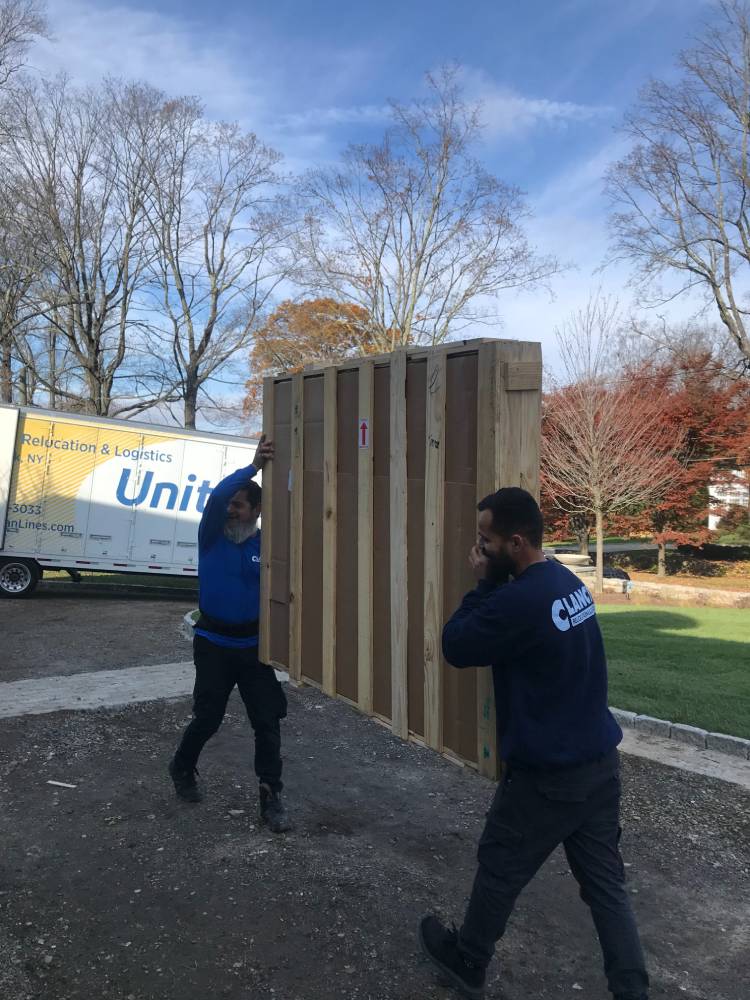
Every moving company has a different way of handling long distance moves, so it’s helpful to understand how the process works before hiring. The best long distance movers will walk through each stage clearly, giving peace of mind from start to finish.
Why Knowing the Process Matters
Understanding how the move will unfold helps avoid confusion and sets clear expectations. A mover with a well-outlined plan is often more organized and dependable.
- Initial Consultation: A trusted mover will schedule a consultation (in-person or virtual) to assess the home and understand the needs of the move.
- Quote and Service Agreement: After the walkthrough, a formal quote with listed services, terms, and conditions is provided for review.
- Packing and Loading: Details on when the crew will arrive, how they’ll handle items, and how long the process will take should be discussed ahead of time.
- Transit Updates: Reliable long distance movers often provide updates during the trip, so there’s no guessing when the items will arrive.
- Delivery and Unloading: Clarify if unpacking is included and what help will be given once the items reach the destination.
Red Flags in a Disorganized Process
A lack of communication or vague steps can be signs of an unprofessional or unreliable company.
- No Clear Timeline: Movers that can’t give even a general delivery window may not be dependable.
- Unclear Contact During Transit: If it’s hard to reach the company while belongings are in transit, that’s a concern.
- Rushed Explanations: A mover who avoids going over the process may be hiding poor planning or lack of experience.
7. Ask the Right Questions
Asking good questions helps people spot the difference between trusted long distance movers and those who just say they’re professional. It also shows how open and honest the company is. A reliable mover should have no trouble answering.
Questions That Help Make a Smart Choice
These questions give a clearer picture of what to expect and how the company handles challenges.
- How Long Have You Been Doing Long Distance Moves?: Experience matters when handling complex cross-country jobs.
- Are You Licensed and Insured?: Only licensed long distance movers can legally operate across states, and valuation protects belongings.
- What Happens If There’s a Delay?: A trustworthy mover will explain how delays are managed and who’s responsible.
- Can You Provide a Binding Quote?: This kind of quote locks in the price so there are no last-minute surprises.
- Who Handles the Move—Your Team or a Contractor?: It’s better when the company uses its own trained staff, not unknown third parties.
8. Look for Experience With Long Distance Moves
Hiring a moving company that knows how to handle long distance relocations makes a big difference. Long-distance logistics are more complex than local moves, and not every moving company has the systems, training, or equipment to do it right.
Why Long Distance Moves are Different
Local moves usually happen in a single day and involve shorter travel, fewer risks, and easier scheduling. Long-distance moves can take days and include multiple states, weigh stations, and new regulations.
- Longer Travel Routes: Longer distances mean more planning for fuel stops, overnight stays, and route issues like weather or traffic delays.
- Interstate Regulations: Long-distance movers must follow federal and state rules, which requires proper licenses and legal paperwork.
- More Room for Error: Delays, lost items, or damage are more likely during long moves. That’s why working with trusted long distance movers with the right training and systems matters.
What to Look For in Experienced Movers
Experience with long-distance jobs shows that a moving company has handled complex relocations before—and can do it again.
- Proven Track Record: Look for companies with reviews or testimonials about cross-country or interstate moves.
- Special Equipment: Reliable long distance movers often have large trucks, secure packing supplies, and tracking systems to manage extended trips.
- Clear Communication: A good mover explains timelines, pricing, and delivery windows clearly. This avoids surprises once the move is in progress.
9. Verify The Company’s Address and Contact Info
Before signing a contract, it’s smart to double-check that the moving company is real and easy to reach. Unfortunately, there are scam movers that use fake addresses or phone numbers.
How to Confirm a Mover’s Legitimacy
Use these steps to make sure the moving company is trustworthy and officially registered.
- Check the Physical Office: A legitimate company should have a real business address—not just a PO Box or vague listing. Search the address on a map and make sure it’s a real office or warehouse.
- Call the Phone Number: A working phone number with a real person answering is a good sign. Be cautious of companies that only use voicemail or don’t return calls.
- Look for a DOT Number: All licensed long distance movers must have a U.S. DOT number for interstate moves, which shows they are approved for interstate moving. This number can be looked up on the Federal Motor Carrier Safety Administration (FMCSA) website.
- Search for Online Presence: A professional website, active social media pages, and consistent branding across platforms can show the business is active and well-established.
10. Request a Detailed Inventory List
An inventory list protects both parties by documenting everything being moved. It serves as proof of the condition and quantity of items at pickup and delivery—making it easier to track items, file claims if needed, and keep the move organized from start to finish.
Why an Inventory List Is Important
A good mover will provide or create a detailed inventory during the packing or loading process. This helps ensure all belongings are accounted for and can reduce disputes about missing or damaged items.
- Room-by-Room Itemization: The list should include everything from furniture and appliances to boxes, marked by room or category for easier tracking.
- Condition Notes: Noting any existing damage or wear protects both the customer and the mover from unfair claims later.
- Numbered and Labeled Boxes: Each box or item should be tagged or labeled to match the list, helping simplify delivery and unpacking.
- Digital or Paper Copy: A reputable mover—especially licensed long distance movers—will provide a copy of the inventory for personal records.
Frequently Asked Questions
Can you negotiate moving costs?
Yes, moving costs can often be negotiated, especially if the move is flexible or during off-peak times. Some movers may offer discounts for early booking, military status, or bundling services. It helps to ask about price-matching or any current promotions. Be clear on what services are included before negotiating to avoid unexpected fees.
How much does it cost to move a house 200 miles?
Moving a house 200 miles can cost between $18,000 and $40,000 depending on its size, weight, and the route. The average rate is about $12 to $16 per square foot. For larger or more complex moves, prices can rise to $200,000 or more. However, moving company pricing varies, so it’s recommended to check with reputable providers like Clancy Relocation & Logistics for accurate information.
What is the cheapest way to move long-distance?
The cheapest way to move long-distance is usually renting a truck and doing the move without professional help. Portable moving containers are another budget-friendly option, allowing for flexible packing and transport. However, these methods require more time and effort. Choosing a trusted moving company with flexible packages can also offer value without compromising quality.
How do I move all my stuff to a different state?
Start by creating a plan, setting a budget, and deciding whether to hire movers or go DIY. Inventory all items, declutter what isn’t needed, and pack room by room using quality materials. Contact licensed long distance movers who specialize in state-to-state relocations. Confirm timelines and delivery details in writing for a smooth experience.
How long do professional movers take to pack?
Professional movers usually take one to two days to pack an entire home, depending on its size and how many people are on the crew. A small apartment may take just a few hours, while a larger house could take longer. Full-service packing is faster and more efficient than self-packing. The best long distance movers often send a team to speed up the process without sacrificing care.
Make Long Distance Moving Easy With Clancy Relocation & Logistics!
Take the stress out of moving across states by partnering with a team that handles every detail with care and precision. Clancy Relocation & Logistics brings years of experience as licensed long distance movers, offering reliable service backed by a reputation for professionalism. From planning to final delivery, every step is managed with clarity, transparency, and respect for what matters most.
Get a free quote today and move with confidence!