Table of Contents
10 Essential Questions About Secure Storage Units
- What Type of Access Control Systems Are in Place?
- How Is the Facility Monitored?
- Are the Units Climate-Controlled?
- What Measures Protect Against Fire or Water Damage?
- How Often Is the Facility Maintained?
- What Happens in Case of a Power Outage?
- Are There Any Limits on What Can Be Stored?
- Is Valuation Available or Required?
- How Is Tenant Identity Verified?
- What Protocols Are in Place for Emergencies?
Secure Peace of Mind With Trusted Storage Support!
Key Takeaways✔ Ask how access is managed to ensure only approved individuals can enter secure storage areas. ✔ Learn how the facility is monitored to confirm it’s under constant surveillance for added protection. ✔ Check how climate control is handled to keep sensitive items safe from temperature and humidity damage. ✔ Understand how the facility is protected against fire and water threats to reduce the risk of loss. ✔ Ask how often the property is maintained to ensure it stays clean, functional, and secure. ✔ Find out how the facility operates during power outages to maintain safety and security systems. ✔ Clarify how storage restrictions are enforced to avoid storing hazardous or unapproved items. ✔ Confirm how valuation works and whether it’s a required part of the rental agreement. ✔ Ask how tenant identity is verified to ensure access is granted only to legitimate users. ✔ Learn how the facility prepares for emergencies to keep items secure in unexpected situations. |
When it comes to storing valuable belongings, not all storage options offer the same level of protection. While many people focus on price or location, there are often overlooked details that make a significant difference in keeping items safe and intact. From security measures to emergency protocols, knowing what to ask can help in choosing the right facility with confidence.
Here are 10 important questions to consider when looking into secure storage units.
10 Essential Questions About Secure Storage Units
1. What Type of Access Control Systems Are in Place?
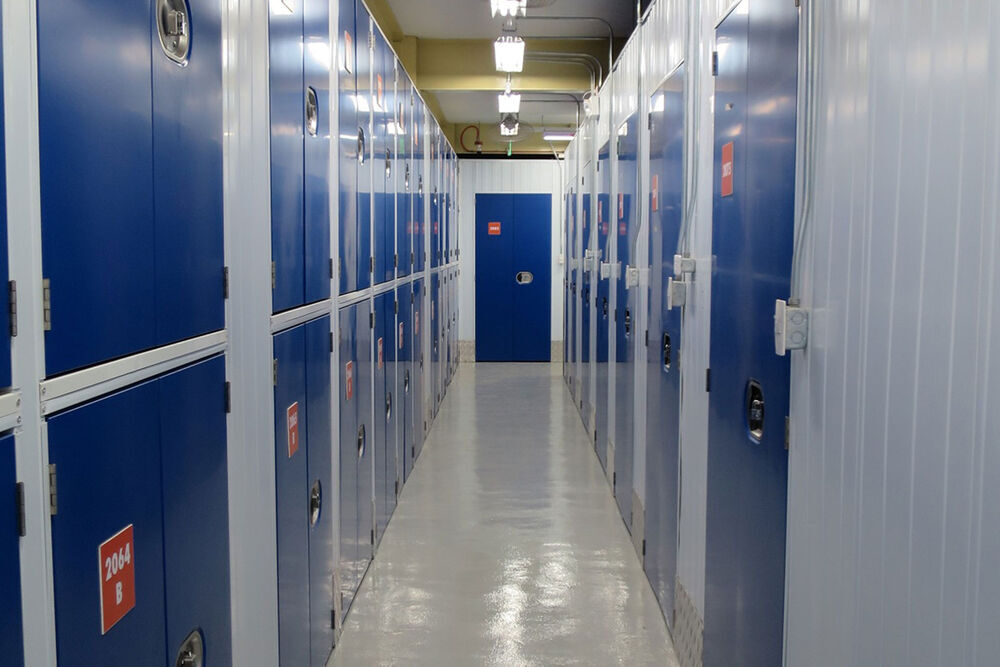
Choosing secure storage units means prioritizing the way a facility restricts and tracks who can enter the premises. One of the most important aspects of high-security storage facilities is how effectively they can keep unauthorized individuals out while making it easy for verified users to access their belongings.
Examples of Access Control
Some reliable secure self-storage solutions use multi-tiered access systems that are designed to create strong barriers and controlled movement throughout the property. However, access control levels vary per provider. To clarify storage access options and availability, it’s best to contact trusted companies like Clancy Relocation & Logistics.
In general, these may include:
- Electronic Gate Entry Systems: These systems allow only approved renters and staff to access the premises using encrypted access cards, mobile credentials, or digital keypads. Every access is logged, creating a traceable record of who entered and when.
- Individual Unit Security: Beyond general property access, each storage unit has its own security system, typically involving heavy-duty padlocks or cylinder locks, which add an additional level of protection for stored belongings.
- Access Logs and Time Restrictions: Some facilities restrict access to specific hours and use digital logging to monitor entry activity. This helps identify any unusual patterns and adds an additional layer of accountability.
- Remote Access Capabilities: Certain secure storage solutions offer remote access control for management teams, allowing them to lock or unlock areas instantly in case of emergencies or suspicious activity.
2. How Is the Facility Monitored?
Security doesn’t stop at the gate. The way a storage facility is monitored daily has a huge impact on how well it can protect renters’ items. Facilities that promote themselves as the best secure storage nearby typically invest heavily in continuous, visible surveillance systems to prevent theft, damage, or suspicious behavior.
Key Monitoring Features
Surveillance technology and smart monitoring systems are at the heart of most high-security storage facilities, working 24/7 to safeguard everything on-site. Not all companies are capable of offering these features, so contacting providers like Clancy Relocation & Logistics can help clarify what’s available.
Key monitoring features include but are not limited to:
- 24/7 Video Surveillance: Some of the best secure storage near me like Clancy Relocation & Logistics offer high-definition cameras positioned throughout the facility to provide constant coverage of key areas including entrances, exits, hallways, and storage unit rows. This constant monitoring helps deter criminal behavior and serves as a useful resource for resolving disputes.
- Motion-Sensing Cameras: These cameras detect movement in specific areas and trigger immediate recording or alerts. They help capture activity that may not be seen in regular surveillance and can be set to monitor off-hours for added protection.
- Centralized Monitoring Stations: Footage from all cameras is streamed to a central monitoring location where staff or digital systems keep watch in real-time. This allows for a quick response if anything unusual happens.
- System Backups and Redundancy: The best secure storage has backup power sources and offsite data storage to ensure that video footage is not lost during power outages or system failures. This ensures continuity and accountability in any situation.
3. Are the Units Climate-Controlled?
Many people storing items in secure storage units forget to consider the impact of temperature and humidity. However, this can make a major difference when it comes to protecting certain belongings from long-term damage.
Why Climate Control Matters
Climate-controlled units help maintain a stable internal environment, which can prevent deterioration, especially in regions with seasonal temperature swings or high humidity. This feature is a core part of any high-security storage facility such as Clancy Relocation & Logistics that prioritizes item preservation.
- Protection Against Extreme Temperatures: Items such as wooden furniture, vinyl records, and electronics can warp, crack, or malfunction when exposed to fluctuating temperatures. A climate-controlled unit keeps temperatures consistent year-round.
- Humidity Regulation: Excess moisture in the air can lead to mold, mildew, and corrosion. Climate control keeps humidity levels in check, especially beneficial for paper items, artwork, and fabrics.
- Preservation of Sensitive Materials: Photographs, antiques, musical instruments, and wine collections all require stable environments. Climate-controlled storage supports the long-term preservation of such delicate possessions.
4. What Measures Protect Against Fire or Water Damage?
While many assume storage units are automatically safe from natural disasters, that’s not always the case. Asking what protections are in place against fire or water damage helps ensure the chosen unit meets a true safe and secure self-storage standard.
Built-In Safety Features
Reliable secure storage units incorporate multiple layers of infrastructure to safeguard items from both accidental and environmental hazards.
- Fire Suppression Systems: Top-tier secure self-storage solutions include modern fire prevention features such as smoke detectors and sprinkler systems. These systems respond quickly, helping to stop fires before they spread.
- Water-Resistant Construction: Facilities that are thoughtfully designed may use materials that resist flooding or leakage. Raised flooring, sealed walls, and sloped drainage help protect against rainwater or plumbing issues.
- Early Warning Systems: Alarms connected to fire and flood detection systems can notify management immediately, allowing for a quicker response.
- Proactive Facility Design: Storage areas are often divided into zones to limit damage in case of an incident, providing peace of mind to customers using high-security storage facilities.
5. How Often Is the Facility Maintained?
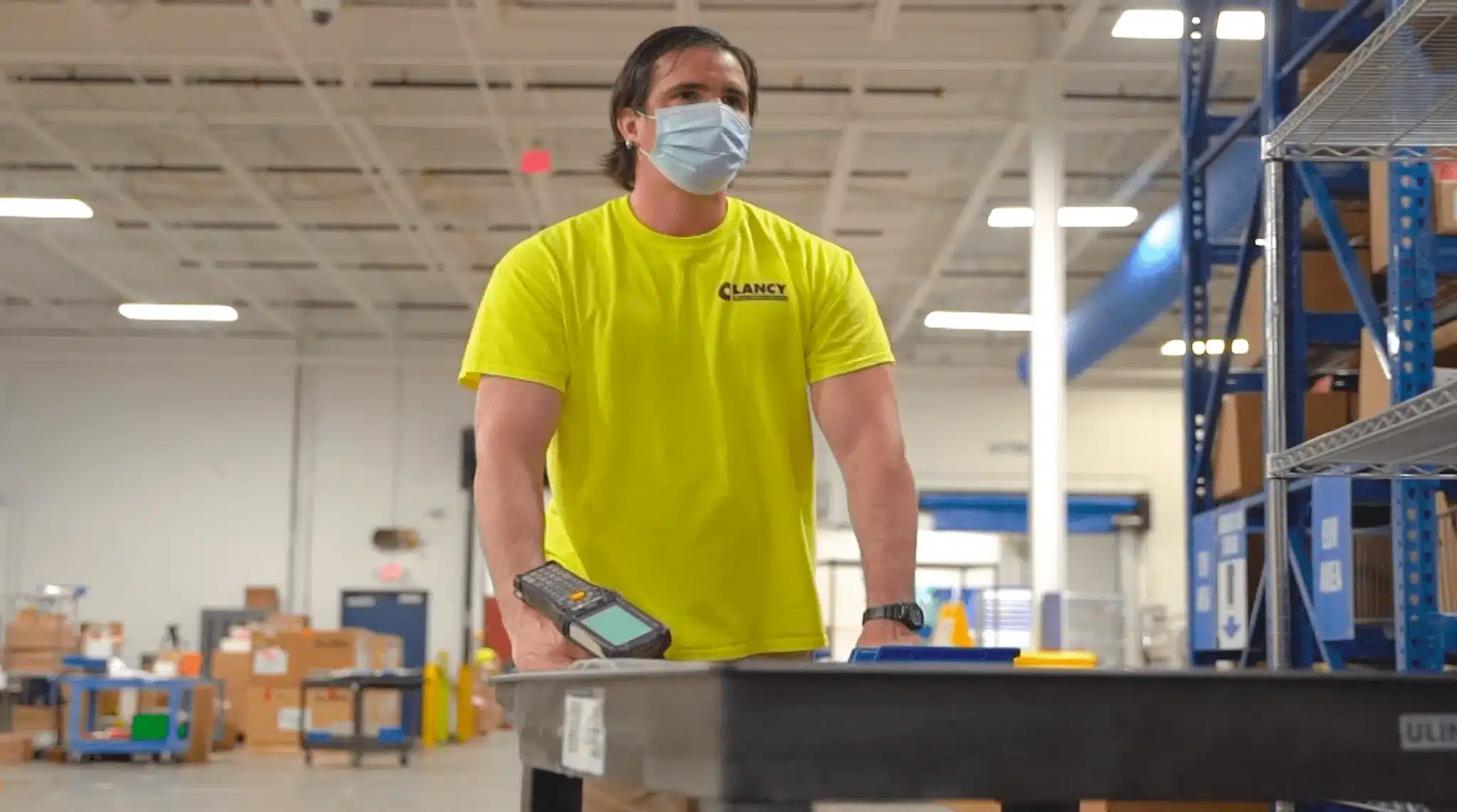
Routine maintenance is a crucial part of what makes secure storage units truly dependable. Cleanliness, operational checks, and general upkeep all play a role in keeping stored items safe and in top condition. When facilities prioritize upkeep, it reduces risks and strengthens the reliability of their storage solutions.
Why Maintenance Matters for Security and Safety
Without consistent maintenance, even the most high-tech secure storage units can develop vulnerabilities. From structural integrity to pest prevention, a well-maintained site supports both security and customer satisfaction.
- Routine Inspections: Staff regularly walk through the facility to identify and resolve any issues, such as broken locks, damaged doors, or lighting outages.
- Pest Control Measures: Scheduled treatments are used to prevent infestations that could damage stored items.
- Cleanliness Protocols: Units, hallways, and access areas are cleaned regularly to avoid clutter or hazards that could interfere with safety.
- Structural Repairs: Any wear and tear, including wall cracks or leaking roofs, is addressed promptly to maintain the durability of the storage spaces.
6. What Happens in Case of a Power Outage?
Power outages can compromise more than just lighting—they may impact surveillance systems and climate control. That’s why high-security storage facilities plan for these situations well in advance.
Backup Systems Ensure Continuous Protection
Reliable secure self-storage solutions include systems that keep operations running, even when the main power supply fails. These features help ensure belongings are protected at all times.
- Emergency Lighting: Battery-powered lights in hallways and entry points help maintain visibility during outages.
- Security System Backups: Surveillance cameras and access control systems often have uninterruptible power supplies (UPS) or generators to stay active.
- Climate Control Continuity: For facilities with temperature-sensitive units, backup power maintains the internal climate, protecting valuables like documents, electronics, or antiques.
- Rapid Response Protocols: Staff are trained to respond quickly, ensuring the building remains locked down and monitored throughout the outage.
7. Are There Any Limits on What Can Be Stored?
Safe and secure self-storage units are designed to protect belongings, but not everything is allowed inside. Understanding what can and cannot be stored helps maintain the integrity and safety of the facility and other tenants.
Common Storage Restrictions
Most high-security storage facilities have clear guidelines in place to prevent hazards and ensure compliance with safety standards.
- Hazardous Materials: Items like gasoline, propane, fireworks, and paint thinners are typically prohibited due to fire or explosion risk.
- Perishable Goods: Food, plants, and anything that can spoil are not allowed as they attract pests and cause odor issues.
- Weapons and Ammunition: Many storage solutions do not allow firearms, ammunition, or explosives unless specific policies permit them.
- Illegal Items: Any items that are illegal to own or transport are strictly banned and may result in law enforcement notification.
8. Is Valuation Available or Required?
Valuation is a key part of keeping stored items protected, even in facilities known for high standards. While unexpected events are rare, they can still happen—making coverage an important extra layer of protection.
Understanding Storage Valuation Options
Storage solutions often give renters the option to insure their belongings, and in many cases, valuation may be a required part of the rental agreement.
However, take note that policies and requirements can vary depending on the provider. It’s recommended to search for the best secure storage near me like Clancy Relocation & Logistics for accurate information and up-to-date pricing on coverage options.
- Facility-Offered Valuation Plans: Many high-security storage facilities provide in-house valuation options that cover losses from theft, fire, or natural disasters. These are typically affordable and easy to set up during the rental process.
- Homeowners or Renters Valuation Extensions: Some valuation policies extend coverage to off-site storage units. Renters should check with their provider to see if this applies to them.
- Mandatory Valuation Requirement: Some facilities require proof of valuation before a rental agreement can begin. If a renter doesn’t have their own, the facility usually offers a basic plan to meet this requirement.
- Coverage Limits and Exclusions: Valuation policies often have limits on claim amounts and exclusions for certain high-value or restricted items. It’s important to review the fine print.
9. How Is Tenant Identity Verified?
Security begins with controlled access—knowing exactly who enters and exits a facility is essential. A core function of high-security storage facilities is restricting entry to verified individuals only.
Confirming tenant identities not only safeguards personal belongings but also strengthens the overall safety of the self-storage environment. In fact, research from 2021 revealed that passports were the most frequently forged form of identification, accounting for 39% of all detected fake documents—highlighting the critical need for thorough ID verification protocols.
Verification Methods That Build Trust
Reputable providers of secure storage units like Clancy Relocation & Logistics put clear processes in place to confirm tenant identity. These procedures not only prevent unauthorized access but also enhance overall accountability. As policies may vary, it’s best to ask the provider directly about their specific verification process to ensure all requirements are clearly understood and prepared for.
- Government-Issued ID Checks: All tenants are required to provide a valid driver’s license, passport, or other recognized government identification at the time of signing the rental agreement.
- Rental Agreement Signature Verification: Tenants sign a legally binding rental agreement that matches the identification presented. This step ensures legal clarity and tenant accountability.
- Contact Information Confirmation: Facilities confirm personal details such as phone number, email, and emergency contacts. This allows for swift communication if any security issue arises.
- Access Credential Issuance: After verification, tenants are issued unique entry credentials—such as key cards or unit-specific locks—limiting entry to authorized individuals only.
10. What Protocols Are in Place for Emergencies?
Emergencies can happen without warning, and the best secure storage nearby is expected to have comprehensive plans to deal with unexpected situations. Whether it’s natural disasters or on-site incidents, preparation is a sign of a truly secure storage unit facility. These protocols vary, so it’s recommended to communicate with trusted providers like Clancy Relocation & Logistics for confirmation.
Emergency Preparedness at High-Security Storage Facilities
Having clearly defined safety protocols ensures that tenants’ items remain protected—even in worst-case scenarios. Here are some of the most important safety features to look for:
- Emergency Response Coordination: High-quality facilities offering safe and secure self-storage coordinate with local emergency services. Staff are trained to follow response protocols and guide tenants if necessary.
- On-Site Emergency Supplies: Many secure storage facilities keep emergency kits on-site, including flashlights, first-aid kits, fire extinguishers, and basic tools. These supplies support staff and emergency personnel during critical situations.
- Tenant Communication Systems: Reliable storage providers use automated alert systems—like email, text, or app notifications—to keep tenants informed during emergencies. Clear communication ensures customers know the status of their units and any actions they may need to take.
Frequently Asked Questions
What should I look for during a facility tour?
During a facility tour, inspect the gates, fences, camera placement, lighting, and the condition of locks and doors. Ask about access hours, surveillance monitoring, and emergency procedures. Look for visible signs of maintenance and attentive staff presence. This firsthand evaluation helps ensure you’re selecting a truly secure storage unit.
What items are best stored in secure storage units?
Secure storage units are ideal for storing valuable items such as antiques, electronics, legal documents, jewelry, and business inventory. They’re also suitable for personal belongings during a move or renovation. High-value or sentimental items benefit from the additional protection provided by secure facilities. For fragile or temperature-sensitive items, choose a unit with climate control as well.
How do I choose a secure storage unit?
When choosing a secure storage unit, look for facilities with strong security measures like gated access, surveillance cameras, and on-site staff. It’s wise to read online reviews and check for theft reports or incidents at the location. Visit the site in person to assess the overall cleanliness and functionality of their security systems. The more transparency and security protocols a facility offers, the better protected your belongings will be.
Can businesses use secure storage units?
Yes, businesses frequently use secure storage units to store inventory, equipment, files, and excess supplies. These units offer a safe and organized space to manage assets without needing extra office space. Some facilities even provide units with electrical access and climate control for business needs. Always check the lease terms to ensure commercial use is allowed.
What should I avoid storing in a secure storage unit?
Even in secure units, you should avoid storing perishable goods, flammable materials, weapons, or illegal substances. These items can pose risks to your belongings and others in the facility. Most contracts explicitly prohibit such contents for safety and legal reasons. Always review the terms of service before storing anything potentially hazardous or restricted.
Secure Peace of Mind With Trusted Storage Support!
Choosing the right storage solution means more than just finding space—it’s about ensuring that every item is protected, accessible, and professionally handled. Clancy Relocation & Logistics provides access to secure storage units through high-security facilities designed for safety, reliability, and convenience. Our secure storage solutions are ideal for both any transitions and storage needs.
Connect with Clancy Relocation & Logistics today to explore the best secure storage options available!