
Table of Contents
6 Reasons to Hire Professional Library Movers
- Extensive Experience Across Library Types
- Customized Planning and Execution
- Specialized Training and Impeccable Customer Service
- Secure And Controlled Storage Solutions
- Safe Transportation of Fragile and Valuable Collections
- “Zero Time” Courier Services For Rapid Delivery
How to Choose a Reliable Library Moving Service
Ensure a Smooth and Secure Library Relocation with Expert Movers!
Key Takeaways✔ Professional library movers have the expertise to efficiently handle academic, public, special, and corporate library relocations. ✔ Customized moving plans ensure a smooth transition, minimizing downtime and disruptions to library operations. ✔ Trained professionals provide meticulous handling, organization, and customer service tailored to library-specific needs. ✔ Secure, climate-controlled storage options protect valuable collections during short- or long-term transitions. ✔ Specialized equipment and transport methods safeguard fragile and rare books, manuscripts, and archives. ✔ Rapid courier services that ensure timely delivery of materials. |
When relocating a library, every collection, from rare manuscripts to extensive archives, must be handled with care and precision to ensure nothing is lost or damaged. The risk of misplaced materials, extended downtime, and potential damage increases significantly without professional assistance. Professional library movers bring specialized expertise, advanced inventory management, and tailored relocation strategies to ensure a seamless transition.
Here are the key reasons why hiring professional library movers is essential.
6 Reasons to Hire Professional Library Movers
1. Extensive Experience Across Library Types
Moving a library requires specialized knowledge and expertise. Professional commercial movers understand the complexities of handling large collections, ensuring that books, archives, and research materials are relocated efficiently and securely.
Relocating Different Types of Libraries
Each library type has unique requirements and experienced local commercial movers tailor their approach to meet those needs.
- Academic Libraries: Universities and research institutions have extensive collections, including rare books, journals, and digital archives that require careful handling and cataloging.
- Public Libraries: City and community libraries serve large populations, requiring a well-organized move that minimizes disruption for patrons.
- Special Libraries: Museums, law firms, and medical institutions house specialized collections that demand precise packing and secure transportation.
- Corporate Libraries: Businesses with in-house libraries or research centers rely on business relocation services to ensure their resources are transported efficiently and remain accessible.
Handling Moves of All Sizes and Locations
A well-planned library move accounts for the scale and scope of the project, ensuring a smooth transition regardless of the size of the collection or the distance of the relocation. An experienced office moving company can manage both small local moves and large-scale relocations.
- Small-Scale Library Moves: Moving a single department, a law library, or a private collection requires detailed inventory tracking and secure transportation.
- Large-Scale Library Relocations: Universities and research centers with thousands of books, periodicals, and archives benefit from structured planning and strategic execution.
- Long-Distance Relocations: Libraries moving to a new city or state need reliable commercial moving services that offer climate-controlled transport and secure storage options.
- Local Moves: Relocating within the same building or to a nearby facility requires expertise in shelf-to-shelf transfers, ensuring books remain in order and accessible.
2. Customized Planning and Execution
Every library has unique needs, whether it’s a small community library or a large academic institution. A structured plan ensures that materials are transported efficiently, safely, and with minimal disruption. Professional commercial movers create customized strategies that focus on organization, security, and cost-effective solutions.
Tailored Strategies for Every Library
Relocating a library requires careful planning to maintain the integrity of its collection. Local commercial movers work closely with library administrators to design a move that suits the specific requirements of the space, materials, and timeline.
- Collection-Specific Planning: Business relocation services can assess the types of books, archives, and digital media being transported to ensure proper handling techniques are used.
- Pre-Move Coordination: A structured timeline is developed to minimize disruptions to library services, ensuring a smooth transition.
- Space Optimization Strategies: Floor plans and shelving arrangements are reviewed by local business movers to improve efficiency and accessibility in the new location.
Cost-Effective and Time-Saving Solutions
A well-planned move reduces unnecessary expenses and ensures the library reopens quickly. Hiring a professional office moving company ensures that the process is managed efficiently, saving time and resources.
- Minimized Downtime: A phased moving approach with commercial moving services allows parts of the library to remain operational while others are packed and relocated.
- Budget-Conscious Planning: Costs are managed effectively by using the right resources, reducing waste, and preventing damage to materials.
- Efficient Workforce Management: Professional teams are assigned tasks based on expertise, ensuring every step of the move is handled correctly.
- Smart Packing Techniques: Categorized and labeled packing ensures books and materials can be quickly unpacked and reorganized upon arrival.
3. Specialized Training and Impeccable Customer Service
Relocating a library requires more than just moving books from one place to another. It demands specialized training, attention to detail, and a customer-focused approach to ensure a seamless transition.
Highly Trained Professionals in Library Relocation
A successful library move requires skilled professionals who understand the unique requirements of handling books, archives, and research materials. Local commercial movers with specialized training ensure that every aspect of the relocation is managed with precision.
- Library Science Knowledge: Commercial moving services are trained in the proper handling, storage, and transportation of books, ensuring that valuable collections remain intact.
- Preservation Techniques: Special care is taken with rare, fragile, and historical materials to prevent damage during transport.
Project Management for Seamless Execution
Library moves require careful planning and execution to minimize downtime and disruptions. An experienced office moving company follows a structured approach to ensure efficiency.
- Pre-Move Consultation: Movers collaborate with librarians and administrators to create a customized relocation plan.
- Inventory Tracking: Advanced tracking systems keep a detailed record of every book, document, and shelf component.
- Logistical Coordination: Teams handle all aspects of transportation, ensuring a smooth transition from the old location to the new one.
- Flexible Scheduling: Moves are planned around the library’s operational hours to reduce interruptions to staff and patrons.
Customer-Centric Approach
Exceptional customer service is a priority for professional business relocation services that specialize in library moves. Movers ensure that every step of the process is handled with professionalism and care.
- Clear Communication: Effective communication is crucial for a successful library move, as miscommunication is one of the leading causes of project failure. A reliable moving service provides regular updates throughout the process, ensuring transparency, minimizing errors, and giving clients peace of mind.
- Problem-Solving Expertise: Experienced business relocation services anticipate challenges and provide quick solutions to keep the relocation on schedule.
- Respect for Library Spaces: An office moving company takes great care to protect floors, walls, and furniture, preventing any damage during the move.
- Post-Move Support: After the relocation, movers assist with shelf placement, reorganization, and any necessary adjustments.
4. Secure And Controlled Storage Solutions
Libraries often require temporary or long-term storage for their collections during a move, renovation, or expansion. Professional commercial movers provide secure and climate-controlled storage solutions to protect books, manuscripts, and archives.
Short- And Long-Term Storage Options
Libraries may need flexible storage options depending on the duration of their transition. Whether for a few days or several months, local commercial movers offer customized solutions to meet specific requirements.
- Temporary Storage for Relocations: Short-term storage solutions allow books and materials to be safely housed while library spaces are being prepared.
- Long-Term Archival Storage: For libraries needing extended storage, relocation facilities from commercial moving services ensure the preservation of rare and delicate collections.
24/7 Security Measures
Protecting valuable collections is a top priority during storage. Experienced business relocation services are equipped with continuous monitoring to prevent unauthorized access.
5. Safe Transportation of Fragile and Valuable Collections
Libraries house delicate and valuable collections that require specialized care during relocation. Professional commercial movers ensure that these materials are transported safely, using advanced equipment to protect books, manuscripts, and archival materials.
Climate-Controlled and Air-Ride Transportation
Standard moving trucks may not provide the right environment for fragile collections. Professional local commercial movers use climate-controlled and air-ride-equipped vehicles to ensure a smooth and safe journey.
- Climate-Controlled Storage: Library and archival materials absorb and release moisture, making them vulnerable to temperature and humidity fluctuations. These changes cause expansion, contraction, warping, and mold growth. To prevent deterioration, professional movers use climate-controlled vehicles that regulate environmental conditions, ensuring books and documents remain stable and protected during transit.
- Air-Ride Suspension: Shock-absorbing suspension systems reduce vibrations and jolts that can damage fragile materials during transport.
- Secure Loading and Unloading: Specialized techniques and tools are used to prevent books and rare items from shifting or being crushed in transit.
- Protective Wrapping and Padding: Extra layers of protection, including custom crates and cushioned packing materials, ensure fragile books and artifacts remain intact.
6. “Zero Time” Courier Services For Rapid Delivery
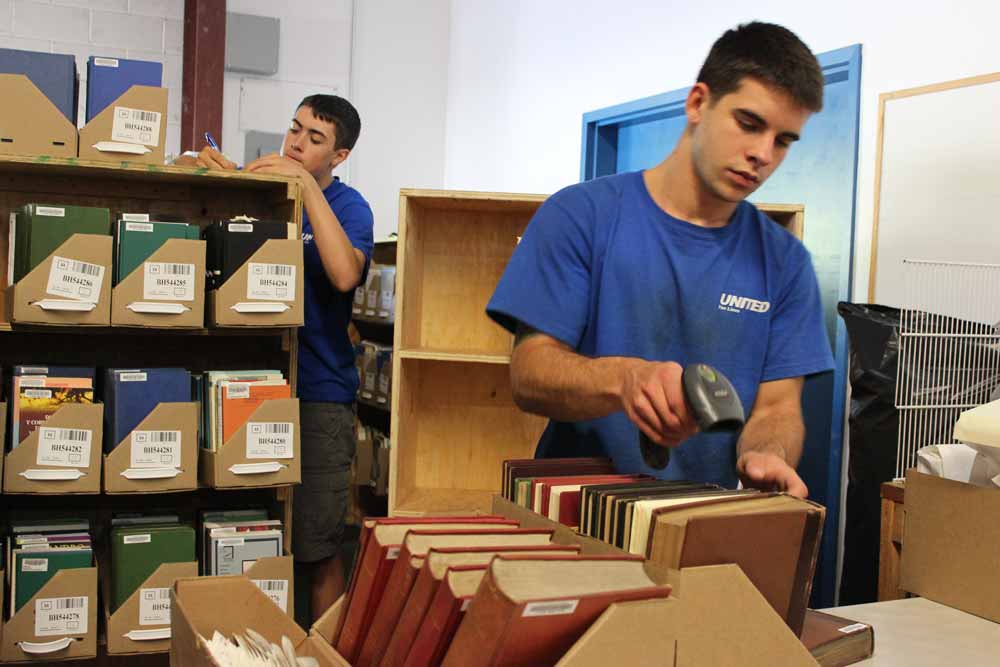
Libraries rely on timely delivery to minimize downtime. A reliable office moving company provides fast and efficient courier services to ensure uninterrupted access to essential materials.
- Rapid Transport Solutions: Special courier services prioritize time-sensitive documents and materials, ensuring they reach their destination as quickly as possible.
- Door-To-Door Service: From pickup to delivery, commercial moving services manage every step, ensuring materials arrive safely and in the correct sequence.
Ensuring Accuracy And Efficiency
Professional local business movers take every precaution to ensure inventory accuracy and a smooth transition. By combining advanced technology with efficient logistics, libraries can relocate without the stress of misplaced or delayed materials.
- Minimized Errors: Automated tracking reduces the chances of books or archives being lost or misplaced.
- Detailed Reports: Comprehensive records provide a clear overview of every item moved.
- Seamless Reassembly: With properly labeled and tracked inventory, books are placed back in their exact order at the new location.
How to Choose a Reliable Library Moving Service
Selecting the right library moving service is essential for a smooth, organized, and damage-free relocation. With thousands of books, archives, and fragile materials to transport, it’s important to work with professionals who understand the complexities of library moves. Here are key factors to consider when choosing a reliable library moving service:
✔ Look for Industry-Specific Experience
Not all local business movers specialize in library relocations, so it’s important to choose one with proven experience in handling books, archives, and shelving systems. Research how long the company has been in the industry and whether they have worked with libraries similar in size and scope. Companies with dedicated library moving teams are more likely to understand cataloging systems, preservation techniques, and the importance of maintaining order during transit.
✔ Check Licensing, Valuation, and Certifications
A reputable moving company should be fully licensed to protect against potential damage or loss. Verify that the mover has the appropriate credentials and certifications for handling specialized collections. Valuation coverage should include protection for books, rare manuscripts, and any high-value items in transit. Request documentation and confirm coverage details before making a decision.
✔ Assess Inventory Management and Tracking Capabilities
Efficient organization is key to a successful library move. Choose local business movers that use advanced inventory management systems such as barcode scanning, digital tracking, and GPS-monitored transportation. These features help ensure books and materials remain in order and prevent misplacement. Ask about their tracking process and how they manage large collections to maintain catalog accuracy.
✔ Inquire About Packing and Handling Techniques
Proper packing and handling prevent damage during the move. A professional library mover should use high-quality packing materials and climate-controlled transportation for sensitive collections. Ask how they handle fragile items, whether they provide custom packing solutions, and what precautions they take to maintain the condition of books and archives.
✔ Consider Storage Options if Needed
If the library move requires temporary storage, ensure the company provides secure and climate-controlled storage facilities. Sudden changes in temperature and humidity can damage books and historical documents, so it’s essential to choose a mover with storage solutions designed to protect library materials. Confirm storage security measures, environmental controls, and access policies before committing.
✔ Review Reputation and Client Feedback
Past performance is a strong indicator of reliability. Research customer reviews, testimonials, and case studies to understand the company’s reputation. Look for feedback from libraries, universities, or institutions that have worked with the mover before. Positive reviews about organization, professionalism, and efficiency are good signs of a dependable service.
✔ Request a Detailed Moving Plan and Estimate
A trustworthy moving service should provide a detailed moving plan outlining the timeline, costs, and logistics involved in the relocation. Avoid movers who offer vague estimates or lack transparency in pricing. Request a written proposal that includes a breakdown of services, expected completion time, and any additional fees to prevent surprises during the move.
✔ Verify Customer Support and Communication
Good communication is essential for a stress-free relocation. Choose a company that provides a dedicated point of contact to answer questions and keep the library staff informed throughout the move. Reliable movers should be responsive, proactive, and willing to provide updates at every stage of the process.
✔ Look for Customization and Flexibility
Every library move is different, so the moving company should offer tailored solutions based on specific needs. Whether relocating a small public library or a large academic institution, the mover should be flexible in scheduling, packing methods, and transportation options. Ask about their ability to adapt to unique requirements and whether they offer after-hours or weekend moves to minimize disruption.
Frequently Asked Questions
How long does it take to move an entire library?
The time required for a library move depends on the size of the collection, staff availability, and logistical planning. A small library may take a few weeks, while larger institutions with millions of books may require months. Factors like cataloging, shelving adjustments, and digital system transitions can add to the timeline. External challenges, such as weather conditions or unexpected building delays, may also affect the schedule. Proper coordination among staff, volunteers, and professional movers ensures a smoother process.
Why do libraries need to move to a new location?
Libraries move for various reasons, such as expanding space, relocating to a more accessible area, or upgrading to a modern facility. Sometimes, the current building is too old, unsafe, or unable to accommodate technological advancements. A new location might offer better community engagement, improved infrastructure, and enhanced services. Financial reasons can also play a role, such as reducing operational costs or benefiting from a better lease agreement.
Will the new library location have the same layout?
Not necessarily—new library locations often feature updated layouts designed for better efficiency and accessibility. Shelving arrangements, seating areas, and workspaces are optimized for modern usage. Libraries often incorporate more open spaces, study rooms, and technology hubs to meet contemporary needs. Feedback from patrons and staff is sometimes considered in the new design. Although book collections remain organized by standard classification systems, the overall flow of the space may be different.
Are library staff involved in the moving process?
Library staff can help with coordinating and executing a move. They help organize and pack materials, update digital records, and oversee book placement in the new space. Many librarians also assist with setting up shelving, technology, and workspaces. Staff members provide guidance to moving crews on handling delicate or rare collections. Once the move is complete, they work on reorienting patrons and resuming services.
What challenges do libraries face when moving?
Library moves present logistical, financial, and operational challenges. Coordinating the transport of thousands—or even millions—of books requires meticulous planning. Budget constraints may limit the ability to upgrade facilities or purchase new equipment. Communicating with patrons and ensuring minimal service disruption is an ongoing concern. Staff training, building permits, and unexpected delays can add complexity.
Ensure a Smooth and Secure Library Relocation with Expert Movers!
Relocating a library requires precision, expertise, and the right equipment to keep collections intact and organized. Clancy Relocation & Logistics specializes in professional library moving services, ensuring every book, archive, and document is transported safely and efficiently. With advanced inventory tracking, specialized handling, and tailored moving solutions, every detail is managed with care. Trust local business movers who understand the complexities of library relocations and deliver seamless results.
Contact Clancy Relocation & Logistics today to schedule a consultation and experience a hassle-free library move!