Table of Contents
What to Know Before Hiring Local Movers
- Understanding Licensing and Valuation
- Experience and Specialization
- Reputation and Reviews
- Service Offerings and Customization
- Pricing and Transparency
- Logistics and Scheduling
Ensure a Smooth, Stress-Free Move with Expert Support!
Key Takeaways✔ Ensure the moving company is properly licensed and insured to protect against potential damages and liabilities. ✔ Choose a company with experience in commercial moves and expertise in handling office equipment and specialized items. ✔ Research reviews and testimonials to verify the company’s reputation and reliability before making a decision. ✔ Confirm the range of services offered and whether they provide customized solutions tailored to business needs. ✔ Request a detailed quote to understand pricing structures and avoid unexpected hidden fees. ✔ Plan by securing availability, confirming schedules, and understanding the estimated time frame for completion. |
Hiring the right commercial moving company is a critical decision that can impact business operations, employee productivity, and overall efficiency. A well-planned move ensures minimal downtime and protects valuable office equipment during transit. From verifying credentials to understanding service offerings, businesses must consider several factors before making a choice.
Here are key things to know before hiring local commercial moving companies.
What to Know Before Hiring Local Movers
1. Understanding Licensing and Valuation
Hiring local commercial moving companies requires careful evaluation, especially when it comes to licensing and valuation. Ensuring that a company meets legal requirements and provides adequate coverage can protect a business from unexpected risks.
Ensuring the Company Is Properly Licensed
A valid license indicates that a moving company operates legally and follows industry standards. Before hiring a moving service, businesses should verify that the company holds the necessary credentials.
- State and Federal Licensing: Moving companies must have the required state and federal licenses. If the move crosses state lines, the company should have a U.S. Department of Transportation (USDOT) number, which can be checked through the Federal Motor Carrier Safety Administration (FMCSA).
- Local and Regional Permits: Some states or cities require additional permits for commercial movers. Checking with local authorities can confirm whether a company complies with regulations.
- Industry Certifications: Affiliations with professional organizations, such as the American Moving & Storage Association (AMSA) or the Better Business Bureau (BBB), indicate that a company follows ethical business practices.
Verifying Valuation Coverage for Potential Damages
Moving office equipment, furniture, and sensitive materials involves risks. Valuation coverage ensures financial protection in case of damages, losses, or accidents during the move. However, coverage and policies vary among moving companies, so it is essential to verify details in advance. Working with a reputable provider like Clancy Relocation & Logistics ensures accurate information and reliable service tailored to business needs.
- General Liability Valuation: Covers accidental damage to property or injuries that may occur during the move. This protects both the business and the moving company from liability claims.
- Cargo Valuation: Provides coverage for lost or damaged goods while in transit. This is crucial when moving high-value office equipment or fragile materials.
- Workers’ Compensation Valuation: Ensures that employees handling the move are covered in case of workplace injuries. This prevents businesses from being held liable for medical expenses or legal claims.
- Valuation Coverage Options: Some moving companies offer Released Value Protection (basic coverage at no extra cost but with limited liability) or Full Value Protection (more comprehensive coverage for a fee). Understanding these options helps businesses choose the right level of protection.
2. Experience and Specialization
Hiring local commercial moving companies requires careful consideration of their expertise and experience. A commercial move involves more than just transporting boxes; it includes handling valuable equipment, minimizing downtime, and ensuring a smooth transition.
Checking Experience With Commercial Moves
Not all moving companies specialize in commercial relocations. Businesses should assess a mover’s experience to ensure they are capable of handling the complexities involved in a commercial move.
- Years in Business: Moving companies with several years of experience in commercial relocations have likely developed efficient strategies to handle different challenges. A long history in the industry can indicate reliability and professionalism.
- Past Commercial Clients: A reputable moving company should have a proven track record of successful commercial moves. Businesses should ask for references or case studies to gain insight into the mover’s capabilities.
- Size and Scope of Moves: Some movers specialize in small office relocations, while others handle large corporate moves. Choosing a company that matches the scale of the move ensures they have the necessary equipment and expertise to complete the job efficiently.
- Regulatory Compliance: Commercial moves often require compliance with zoning laws, building regulations, and permit requirements. An experienced moving company will be familiar with these legal requirements and ensure the move adheres to all necessary guidelines.
3. Reputation and Reviews
Hiring local commercial moving companies requires careful evaluation of their reputation. A company’s track record provides insight into its professionalism, reliability, and service quality.
Researching Customer Feedback and Testimonials
Customer feedback is a valuable tool for assessing the quality of service provided by a moving company. Reviews and testimonials can highlight a company’s strengths while also revealing potential weaknesses that businesses should be aware of before making a decision.
- Online Reviews: Checking platforms such as Google, Yelp, and the Better Business Bureau can provide businesses with insights into other clients’ experiences. While positive reviews can indicate reliable service, it is important to approach them with caution. A former U.S. federal criminal investigator has stated that many online reviews are fake, often written by individuals paid to post them. Given this concern, businesses should also seek direct references and testimonials from trusted sources.
- Testimonials on Company Website: Many local commercial moving companies feature customer testimonials on their websites. While these can offer useful insights, businesses should also verify reviews on independent sources to ensure they are genuine and unbiased.
- Word-of-Mouth Recommendations: Seeking recommendations from business associates, industry peers, or local contacts can provide trustworthy feedback. Personal referrals often offer a more detailed and accurate assessment of a moving company’s reliability and service quality.
Looking for Red Flags in Complaints or Poor Ratings
Not all negative reviews should be an immediate cause for concern, but businesses should pay close attention to recurring complaints and consistent patterns of poor service. With moving scams having seen a 35% year-over-year increase by the end of 2023, it is more important than ever to thoroughly vet local commercial moving companies to avoid potential risks.
- Unresolved Customer Complaints: A high number of unresolved complaints on review sites or the Better Business Bureau may indicate poor customer service. A reputable moving company should actively respond to and address customer concerns.
- Hidden Fees or Unexpected Charges: Complaints about undisclosed charges or sudden price increases suggest a lack of transparency. Businesses should request detailed, upfront estimates to avoid unexpected costs.
- Delays and Last-Minute Cancellations: Frequent reports of delayed moves or last-minute cancellations may indicate disorganized scheduling and poor management. A dependable moving company should provide accurate timelines and adhere to scheduled moving dates.
- Damaged or Lost Items: Repeated complaints about damaged, lost, or mishandled office equipment may indicate a lack of proper handling procedures. A professional moving company should take measures to protect business assets and offer valuation options for added security.
- Unprofessional Staff and Poor Communication: Negative feedback about rude, unresponsive, or inexperienced movers can be a warning sign. A reliable moving company should have trained, courteous staff who communicate clearly throughout the moving process.
4. Service Offerings and Customization
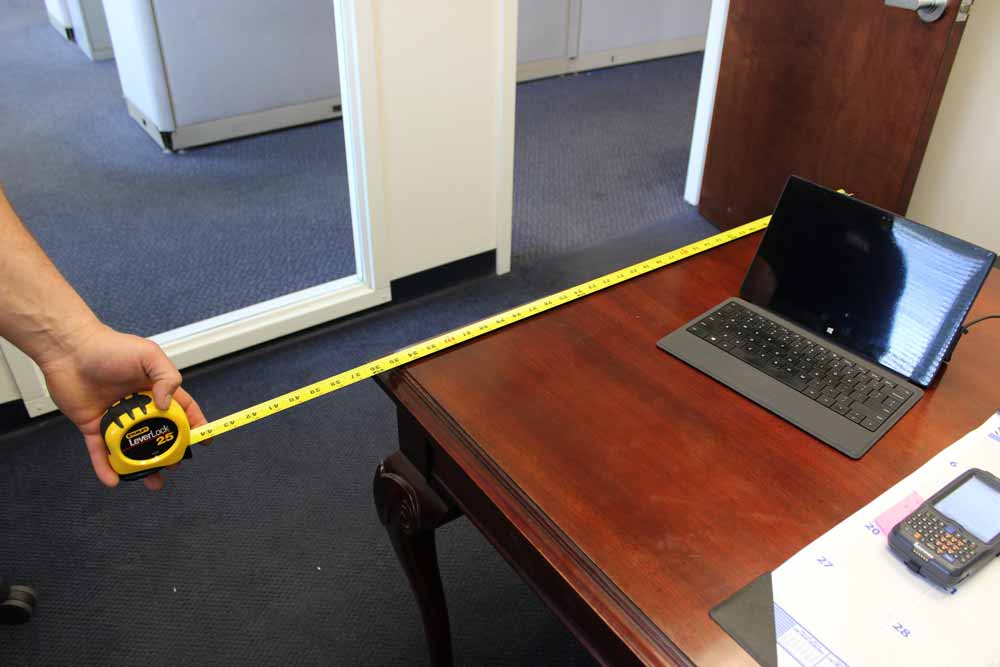
Hiring local commercial moving companies requires businesses to understand the range of services offered. Each business has unique relocation needs, and choosing a company that provides tailored moving solutions ensures a smoother transition with minimal operational disruptions.
Understanding the Range of Services Provided
Before hiring a moving company, businesses should evaluate the full scope of services available. Some companies offer only basic moving assistance, while others provide comprehensive relocation solutions that address various logistical challenges.
- Packing and Unpacking Services: Many moving companies offer professional packing services to ensure that office equipment, furniture, and important documents are securely packed for transport. Some companies also provide unpacking services, allowing businesses to resume operations more quickly.
- Furniture Disassembly and Assembly: Office relocations often require the disassembly and reassembly of workstations, desks, and shelving units. Some movers specialize in handling complex modular furniture systems, ensuring that all components are properly reassembled at the new location.
- IT Equipment Handling: Computers, servers, and other technology are essential to business operations and require careful handling during a move. Certain moving companies have trained professionals who specialize in safely packing, transporting, and reconnecting IT infrastructure.
- Storage Solutions: Businesses that need temporary or long-term storage for office furniture, equipment, or records should check whether the moving company provides secure storage facilities. Many companies offer climate-controlled storage to protect sensitive items.
- Specialty Moving Services: Some industries, such as healthcare, manufacturing, or retail, require specialized moving services for high-value equipment, heavy machinery, or confidential documents. It is important to choose a moving company with experience handling industry-specific relocation needs.
Assessing Tailored Moving Solutions
Not all local commercial moving companies provide customized moving plans. However, businesses with specific needs should prioritize movers that offer flexible and personalized solutions to ensure a smooth relocation process.
- Flexible Scheduling: Many businesses cannot afford extended downtime during a move. A reliable moving company should offer flexible scheduling options, including after-hours or weekend moves, to minimize disruptions to daily operations.
- Custom Packing and Handling: Some businesses have fragile or high-value assets that require special packaging or handling procedures. Moving companies that provide custom crating, climate-controlled transportation, or secure handling help protect valuable items during transit.
- Scalability for Different Business Sizes: Whether relocating a small office or a large corporate headquarters, businesses should choose a moving company capable of scaling its services to match the project’s complexity. Companies experienced in managing large-scale moves often have better resources and expertise to handle complex relocations.
- Project Management Support: Some movers offer dedicated project managers who oversee every aspect of the moving process. This service helps businesses coordinate logistics, track progress, and ensure that the move stays on schedule.
5. Pricing and Transparency
Hiring local commercial moving companies requires careful evaluation of pricing and transparency. Businesses should ensure they receive a clear breakdown of costs to avoid unexpected expenses. However, moving companies vary in pricing and services, so it is recommended to check with reputable providers like Clancy Relocation & Logistics for accurate estimates and reliable information.
Getting Detailed Quotes With No Hidden Fees
A reliable moving company should provide a clear and itemized estimate. Hidden charges can significantly impact a company’s budget, so it is essential to clarify all costs upfront.
- Request an Itemized Estimate: A detailed quote should list all costs, including labor, transportation, packing materials, and additional services. This ensures businesses understand exactly what they are paying for.
- Clarify Additional Charges: Some companies may charge extra fees for handling heavy equipment, staircases, long carrying distances, or after-hours moving. Confirming these costs in advance prevents surprises.
- Ask About Deposit and Cancellation Policies: Some moving companies require a deposit, while others have cancellation fees. Understanding these policies can help businesses avoid financial loss if plans change.
- Check for Fuel and Travel Fees: If the move involves long distances, there may be additional charges for fuel, mileage, or travel time. It is crucial to confirm whether these costs are included in the initial quote.
Comparing Costs With Services Included
Not all moving companies offer the same level of service, so businesses should compare costs in relation to what is provided. The cheapest option may not always be the best choice if it lacks essential services.
- Identify What Is Included: Some companies include packing, furniture disassembly, and setup in their standard pricing, while others charge extra. Knowing what is covered helps businesses make accurate cost comparisons.
- Evaluate Customization Options: Businesses with specific moving needs should ask about customized service packages. Some local commercial moving companies offer tailored solutions for IT equipment, office furniture, or fragile materials.
- Balance Cost and Quality: While cost is a significant factor, quality of service is equally important. A slightly higher price may be justified if it includes professional packing, valuation, and timely delivery.
- Request Multiple Quotes: Gathering estimates from multiple companies provides a clearer picture of the average pricing for commercial moves. This helps businesses find the best value for their budget.
6. Logistics and Scheduling
Proper planning is essential when working with local commercial moving companies to ensure a smooth and efficient transition. Businesses should focus on key logistical details, including scheduling, availability, and estimated time frames, to minimize disruptions and keep operations on track.
Ensuring Availability on the Desired Moving Date
Securing the preferred moving date is essential, especially during peak seasons when local commercial moving companies experience high demand. Businesses should plan ahead and confirm the schedule to prevent delays and unexpected challenges.
- Scheduling Process Evaluation: Reviewing how the moving company manages scheduling ensures they can accommodate the preferred date without conflicts or last-minute changes.
- Flexibility in Scheduling: Checking whether the company offers flexible scheduling options, including after-hours or weekend moves, helps minimize business disruptions.
- Guaranteed Timeframes: Verifying if the company provides guaranteed arrival and completion times helps businesses coordinate staff and other logistical needs efficiently.
- Rescheduling Policies: Understanding the company’s rescheduling policies in case of unforeseen changes ensures there are clear options without excessive penalties.
Understanding the Time Frame for Completion
Knowing the estimated duration of the move allows businesses to plan effectively and minimize downtime. Several factors can influence how long the relocation process will take.
- Size of the Move: The amount of office furniture, equipment, and inventory being transported directly impacts the time required for packing, loading, transportation, and setup. Larger moves typically take longer to complete.
- Complexity of Logistics: Moves that involve multiple locations, sensitive equipment, or restricted-access buildings may take additional time to coordinate. Businesses should communicate any special requirements to the moving company in advance.
- Weather and Traffic Conditions: External factors, such as heavy traffic in urban areas or extreme weather conditions, can affect transportation times. Businesses should account for these potential delays when scheduling their move.
Frequently Asked Questions
What should I do before the movers arrive?
Before the movers arrive, make sure everything is packed (if you’re doing it yourself) and labeled for easy organization. Clear any obstacles in hallways and entrances to allow smooth movement of furniture and boxes. Inform employees about the moving schedule so they can prepare their workspaces. It’s also a good idea to confirm moving details with the company a day before the move.
How long does a local commercial move usually take?
The time it takes to complete a commercial move depends on the size of the business and the amount of items being moved. A small office move may take just a few hours, while larger businesses with more equipment and furniture may take a full day or longer. Factors like distance, building access, and the number of movers also affect the timeline. The moving company can provide an estimate based on the specifics of your move.
How do I find a reliable local commercial moving company?
You can start by searching online, reading reviews, and asking for recommendations from other businesses. Checking for proper licensing, valuation, and experience in handling commercial moves is important. It’s also helpful to request estimates from multiple movers to compare prices and services.
What types of businesses use commercial moving services?
Many types of businesses use commercial moving services, including offices, retail stores, warehouses, medical facilities, and restaurants. Schools, hotels, and government offices also hire professional movers when relocating. Any business that needs to move heavy equipment, furniture, or inventory can benefit from commercial movers. The size and industry of the business don’t matter as long as the company needs help with relocation.
How far in advance should I schedule a commercial move?
It’s best to schedule a commercial move at least a few weeks to a couple of months in advance. This allows time to plan, organize, and coordinate all moving details. Last-minute moves can sometimes be accommodated, but availability may be limited.
Ensure a Smooth, Stress-Free Move with Expert Support!
Relocating a business requires careful coordination and the right expertise. Clancy Relocation & Logistics provides professional commercial moving services designed to minimize downtime and keep operations running smoothly. With a dedicated team and customized moving solutions, every detail is handled with precision and efficiency.
Secure a seamless transition by contacting Clancy Relocation & Logistics today!