
Table of Contents
Key Takeaways
✔ Reliable movers can be identified by researching local companies, checking reviews, confirming licenses, and comparing services before making a final choice.
✔ Businesses can expect movers to handle planning, packing, transport, and setup while maintaining clear communication throughout the relocation.
✔ Costs vary, but commercial movers generally charge by the hour, with final pricing influenced by the size of the move, distance, and services required.
✔ High-value office items are packed using protective materials, custom crates, anti-static wraps, and secure handling methods to keep everything safe during transit.
Choosing the right movers for a business relocation can make the difference between a smooth transition and a stressful experience. The moving industry itself continues to expand, with over 9,500 businesses operating in the United States and showing steady growth in recent years. This means companies have more options than ever, but also more research to do before deciding. With so many providers available, it’s important to focus on reliability, professionalism, and proven experience.
Here are practical steps to help identify the most reliable commercial movers nearby.
How to Find Reliable Commercial Movers Near Me
1. Research Local Moving Companies
It is important to start by looking at different moving companies in the area. Focusing on local movers makes it easier to verify their reputation and availability.
Check Business Directories and Online Listings
- Business Directories: Local directories often list licensed movers that serve the area. They make it easy to compare several companies in one place without needing to search individually. Many businesses prefer this option because it provides quick access to company details and contact information.
- Online Listings: Websites like Yelp or Google can help identify commercial movers and provide quick details about their services. These listings often include customer ratings and reviews, giving businesses a clear picture of service quality. Having both service details and customer opinions in one place helps decision-making faster.
Look for Companies Specializing in Commercial Moves
- Commercial Experience: Movers with commercial expertise know how to handle office furniture, electronics, and large equipment. They usually have the right tools and trained staff to complete the job efficiently. Choosing specialists reduces the chance of damage and delays.
- Customized Services: Specialized movers usually offer tailored solutions designed for businesses. Services may include after-hours moves, secure document handling, or technology relocation.
2. Read Reviews and Testimonials
Customer experiences give helpful insight into the reliability of a moving company. Reviews make it easier to see how a company treats clients and handles challenges.
Explore Customer Feedback on Trusted Review Sites
- Google Reviews: Google Reviews shows star ratings and detailed customer feedback that appear right alongside a company’s business profile. Because most people already have Google accounts, the platform captures a large number of reviews, giving you a broad sense of overall satisfaction.
- Yelp: Yelp is well-known for service-based businesses, including moving companies. In addition to written reviews and ratings, users often upload photos of their experiences, which can give you a more visual and honest look at how the company operates.
- Better Business Bureau (BBB): BBB goes beyond ratings—it provides details about customer complaints and, importantly, how the company responded to them. A moving company with a good BBB rating and a record of resolving issues quickly demonstrates accountability and professionalism.
Note Repeated Positive or Negative Comments
- Service Quality: Reviews often reveal how careful movers are with items and how they manage schedules. Some reviewers share details about punctuality, customer support, and problem-solving. These insights provide real examples of what to expect from a mover.
- Consistency: Positive comments about punctuality or professionalism show reliability. A mover who receives consistent praise usually provides dependable service. Reliable performance makes them a safer choice for businesses.
- Warning Signs: Repeated complaints about damage or hidden fees may indicate poor service. Even if a company has some positive reviews, patterns of negative feedback should not be ignored. These warnings help prevent costly mistakes.
3. Verify Licensing and Valuation
Licensing and valuation protect businesses from risks during a move. This step ensures the company operates legally and offers protection for property.
Confirm the Mover Has Proper State or Federal Licenses and Coverage
- Check USDOT and State Licenses: For interstate moves, companies must have a U.S. Department of Transportation (USDOT) number, which you can verify on the Federal Motor Carrier Safety Administration (FMCSA) website. For local or in-state moves, check that the mover holds the proper license required by state regulations.
- Review Valuation Coverage: A reputable mover will offer valuation coverage that compensates you if items are lost or damaged. Basic coverage may only provide minimal reimbursement, so it’s worth understanding whether full-value protection or additional coverage is available.
- Confirm Documentation in Writing: Always ask the moving company to provide proof of licenses and valuation policies in writing. Documentation protects you from fraudulent operators and ensures accountability if a dispute arises.
4. Compare Services Offered
Not all movers provide the same range of services. Comparing options helps businesses find a company that aligns with their specific needs, budget, and timeline.
Review Available Packing, Transport, and Setup Options
- Packing Support: Some movers offer full packing services for offices. This can include packing supplies, labeling, and careful handling of sensitive equipment. Such services save time and reduce the risk of damage.
- Transport Services: Safe and reliable transport is essential for sensitive equipment. Professional movers usually use trucks with protective features to secure items. This prevents damage during long-distance or local moves.
- Setup Assistance: Certain movers help set up furniture and equipment in the new office. This may include reassembling desks, installing shelving, or arranging equipment. Having setup support saves businesses from extra hassle after arrival.
Match Services to Business Needs and Timeline
- Business Fit: Choosing services that match the size and type of business makes the process smoother. Small offices may only need simple moving help, while larger ones require detailed planning. Matching services ensures efficiency and avoids unnecessary costs.
- Timeline Support: Movers with flexible schedules can help complete the move on time. Companies often face strict deadlines for relocation, so timing is critical. Moving timelines vary, so it’s best to connect with companies like Clancy Relocation & Logistics to discuss scheduling in advance and secure availability.
5. Request and Compare Quotes
Comparing estimates allows businesses to plan budgets better and avoid unexpected costs. Fees vary per provider—communicate with your chosen mover to ensure accurate estimates and budget accordingly.
Obtain Written Estimates from Multiple Movers
- Written Proof: Estimates in writing prevent confusion about pricing later. They give clear breakdowns of labor, materials, and extra charges. With detailed documents, businesses know exactly what they are paying for.
- Multiple Options: Getting several quotes helps compare costs and services. This allows businesses to weigh quality against pricing. Comparing options helps avoid overpaying or underestimating service value.
Compare Costs Alongside Reputation and Reliability
- Balance: Low prices should not outweigh experience and quality. A company that offers both fair rates and proven reliability brings better results. Balancing both factors helps businesses avoid hidden problems later.
- Value: A mover with a fair price and a strong reputation offers the best choice. Paying slightly more often ensures smoother handling and better care of items. Value goes beyond cost and includes trust and professionalism.
6. Ask About Experience and References
Experienced movers handle challenges better and know how to move businesses efficiently.
Request References from Past Commercial Clients
- Commercial Background: Movers with past business relocations know how to deal with large office moves. They understand the unique needs of relocating electronics, furniture, and sensitive files. Experience lowers the risk of mistakes during the move.
- Client Feedback: Past customers can confirm how the company handled their move. They can provide details about punctuality, problem-solving, and overall service quality. Such insights help businesses trust their choice.
- Trust Factor: References build confidence in choosing the right mover. They show proof of successful past work with other companies. A mover with solid references is usually a dependable choice.
7. Check Availability and Scheduling
Timely scheduling is critical to avoid interruptions in business operations.
Ask About Flexibility for Unforeseen Delays
- Backup Plans: Flexible movers adjust schedules if something unexpected happens. They may offer solutions like rescheduling or temporary storage. Having backup options keeps the move on track.
- Reduced Stress: Knowing the mover can handle changes gives businesses peace of mind. With lost productivity costing employers $1.8 trillion each year, working with movers who adapt to challenges can significantly reduce pressure during busy relocation periods.
- Clear Communication Channels: Consistent updates from the moving company make it easier to track progress and adjust plans if needed. Having a dedicated point of contact ensures that questions are answered quickly, changes are communicated effectively, and everyone involved in the move stays aligned.
8. Finalize Agreement in Writing
Having a clear contract protects both the business and the mover from misunderstandings.
Review Contract Details Carefully
- Important Terms: Check details about pricing, services, and timelines. Businesses should confirm every part of the agreement before signing. Careful review avoids surprises later.
- Clear Rules: Reviewing terms avoids hidden fees and confusion. Contracts that clearly list responsibilities prevent arguments. This step ensures both sides understand their duties.
- Binding Agreement: Written confirmation ensures the mover keeps promises. It also provides legal backing in case of disputes. Businesses should keep copies for reference.
What to Expect from Commercial Movers Near Me During Relocation?
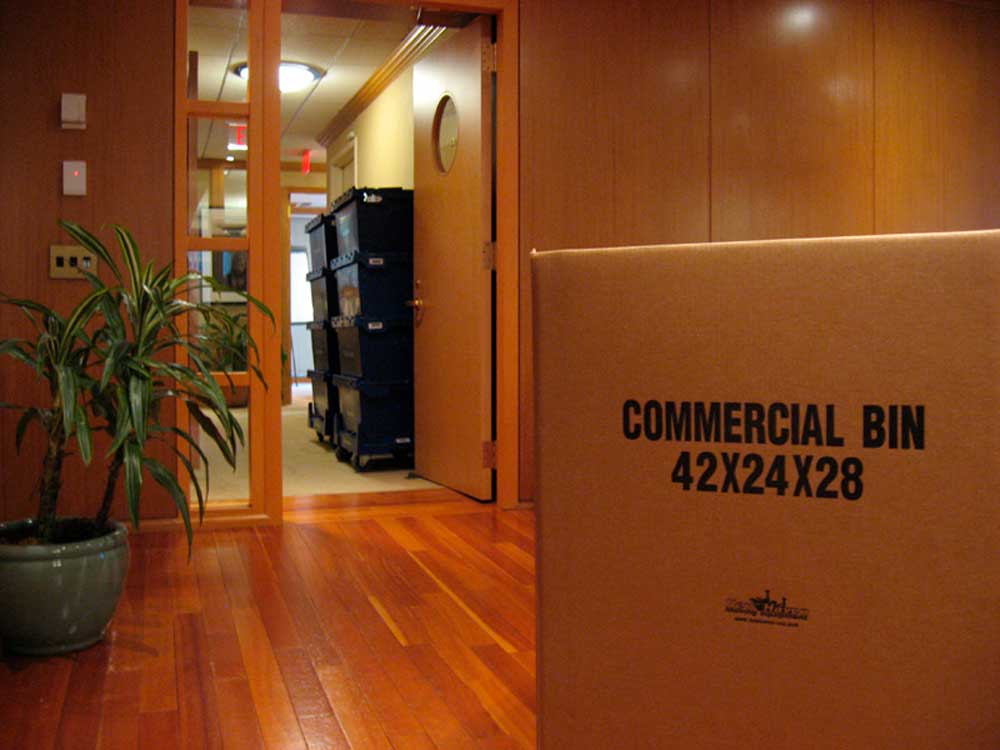
Relocating a business can feel overwhelming, but hiring the right commercial movers makes the entire process easier and more organized. Professional movers handle the heavy lifting, protect valuable equipment, and keep the transition on schedule.
1. Initial Planning and Consultation
Sensitive electronics like computers and servers require anti-static wrapping. This material prevents static electricity from damaging circuits and delicate components. Protecting electronics in this way reduces the risk of costly repairs or replacements, and it is part of what businesses can expect from commercial movers near me during relocation when handling valuable office technology.
2. Packing and Organization
Commercial movers typically provide packing services to keep items safe during transport. They use protective materials for electronics, furniture, and sensitive documents to reduce the risk of damage. Their organized approach ensures everything is labeled and accounted for, which makes unpacking at the new location much faster.
3. Safe and Reliable Transport
One of the biggest expectations from commercial movers near me during office relocation is the safe and timely transportation of items. Movers use secure trucks and equipment to ensure everything is handled carefully. Reliable transport reduces downtime and helps businesses get back to work quickly.
4. Setup and Reinstallation
Many commercial movers go beyond just moving boxes and equipment by assisting with reassembly at the new location. This may include setting up office furniture, reconnecting electronics, or placing equipment where it belongs. Such support saves time and helps employees return to work sooner.
5. Clear Communication and Flexibility
Professional movers keep businesses updated throughout the process. They communicate clearly about timelines, possible delays, or adjustments to the moving plan. Their flexibility ensures the move can continue smoothly even if unexpected challenges arise.
How Do Commercial Movers Near Me Pack High-Value Office Items?
When relocating a business, handling expensive equipment and sensitive materials requires extra care. Professional movers use proven methods to make sure everything arrives safely and securely at the new location.
1. Use of Protective Packing Materials
Movers rely on high-quality packing materials like bubble wrap, foam padding, and sturdy boxes. These materials shield valuable items from scratches, dents, and other damage. Extra cushioning is often used for electronics, glass, or fragile equipment.
2. Custom Crating for Specialized Equipment
For oversized or unusually shaped items, movers build custom crates. These wooden or heavy-duty containers are designed to fit specific pieces of equipment perfectly. The snug fit prevents movement during transport and keeps items secure.
3. Anti-Static Wrapping for Electronics
Sensitive electronics like computers and servers require anti-static wrapping. This material prevents static electricity from damaging circuits and delicate components. Understanding how commercial movers near me pack high-value office items shows that protective measures like anti-static wrapping are essential to reduce the risk of costly repairs or replacements.
4. Labeling and Organized Packing
Each box or crate is clearly labeled for easier tracking and unpacking. Labels often include contents, handling instructions, and designated placement in the new office. Organized packing makes the relocation smoother and prevents confusion.
5. Secure Handling and Loading Techniques
Movers use proper lifting tools, straps, and dollies to handle heavy or fragile items safely. Secure loading techniques ensure that nothing shifts during transport. Professional handling greatly reduces the chances of accidental damage.
6. Climate-Controlled Transport When Needed
Some items, like servers or delicate instruments, require controlled environments. Movers may use climate-controlled trucks to protect against temperature changes or humidity. When commercial movers near me pack high-value office items, this level of care ensures sensitive items arrive in proper condition without being affected by external conditions.
How Much Do Commercial Movers Near Me Charge Per Hour?
When it comes to hiring professionals for a business move, costs can differ widely depending on the situation. Each relocation is unique, and pricing is usually based on a mix of different factors rather than a set amount.
Businesses should remember that commercial movers near me charge per hour based on the type of services provided, the scope of the move, and other important details. For accurate and up-to-date pricing, contact reputable service providers like Clancy Relocation & Logistics.
Factors That Affect Cost
The hourly rates of commercial movers near me depend on several important factors. Understanding these helps businesses prepare better and avoid surprises on moving day.
- Size of the Move: Larger offices with more furniture, equipment, and files often require more time and resources to complete. The bigger the move, the higher the effort needed from movers. This naturally affects the overall cost.
- Distance of Relocation: Local moves may take less time, while longer distances can add more hours to the job. Travel requirements, routes, and location accessibility all play a role. Movers factor in these elements when estimating time.
- Type of Services Needed: Some companies provide full-service options including packing, unpacking, and setup. Additional services like storage or special handling increase the workload. Each extra service can extend the hours required.
- Scheduling and Timing: Moving during weekends, holidays, or busy seasons can sometimes require more resources. Availability may be limited, which impacts how movers schedule the work. Timing is a key factor in determining cost.
- Equipment and Special Items: Offices with heavy machinery, sensitive electronics, or unique items need specialized handling. Movers may use special tools or techniques to ensure safe transport. These requirements often extend the moving time.
Frequently Asked Questions
What do you do while movers are moving?
During the move, it is best to stay available to answer questions and provide access to the property. Supervising helps ensure items are handled properly and nothing is missed. Businesses or homeowners should double-check that fragile or high-value items are packed as agreed. Staying organized and present keeps the process moving smoothly.
What does a full service move include?
A full service move typically includes packing, loading, transportation, unloading, and unpacking. Movers provide packing supplies, disassemble furniture if needed, and reassemble it at the new location. Some services also cover storage, debris removal, and setup of equipment. This option is designed to reduce stress and save time.
What is a commercial moving service?
A commercial moving service focuses on relocating businesses, offices, or organizations. Movers handle furniture, electronics, filing systems, and other business assets with specialized equipment. These services are often scheduled to minimize downtime and disruption. Commercial movers are trained to manage large-scale moves efficiently.
Do you pay movers before or after service?
Most reputable movers require payment after the service is completed. Some may ask for a small deposit upfront to secure the booking, but the balance is due once the move is finished. Paying after service ensures the job is completed as agreed. It also protects customers from paying in full before work begins.
What is the difference between commercial and residential moving?
Commercial moving involves relocating businesses, while residential moving is focused on homes or apartments. Commercial movers manage office furniture, computers, and specialized equipment. Residential movers handle household items, personal belongings, and furniture. The main difference lies in the scale, planning, and type of items moved.
Discover Expert Moving Support with Clancy Relocation & Logistics!
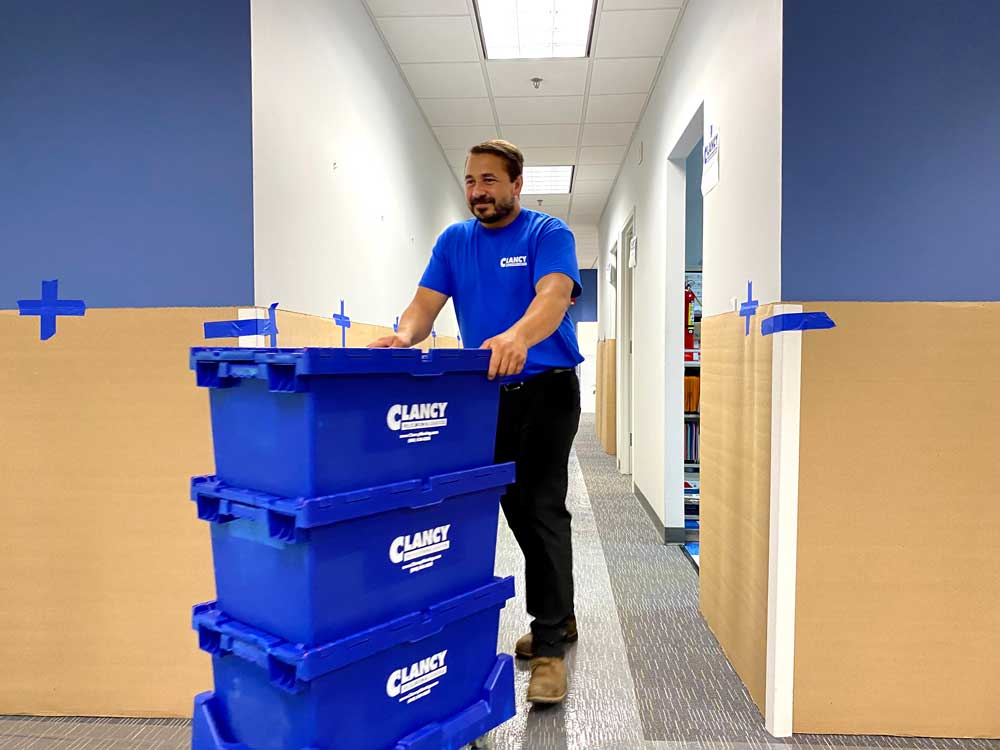
Commercial relocations demand care, precision, and trusted expertise. Clancy Relocation & Logistics delivers reliable moving solutions tailored for businesses of all sizes, ensuring valuable assets are handled with attention and professionalism. From planning to transport and setup, we ensure that every step is managed with efficiency to minimize disruption and keep operations on track.
Connect with Clancy Relocation & Logistics today to arrange a consultation and begin planning a successful move!