
Table of Contents
6 Must-Know Moving Tips for Parents with Kids
- Start With Open Communication
- Get Kids Involved
- Stick to Routines
- Visit the New Area Ahead of Time
- Create a “First Night” Box
- Give Kids Time to Adjust
Make Moving With Kids Easier With Trusted Support!
Key Takeaways✔ Talk openly about the move early to help children feel secure and included. ✔ Involve kids in tasks and decisions to reduce anxiety and build confidence. ✔ Maintain daily routines to provide comfort and stability during the move. ✔ Visit the new area in advance to ease fears and create familiarity. ✔ Pack a first-night box with essentials to make the first evening more comfortable. ✔ Give kids time to adjust emotionally and adapt at their own pace. |
Moving with children is more than a logistical task—it can deeply affect their sense of stability and emotional well-being. While a new home brings fresh opportunities, the process can be stressful for kids, especially when routines are disrupted. A study in the Journal of Social and Personality Psychology shows frequent moves can harm friendships and are especially tough on introverted or anxious children.
Here are practical tips to help parents make the move smoother and more supportive for their family.
6 Must-Know Moving Tips for Parents with Kids
1. Start With Open Communication
Moving to a new home is a major life event for children. They may feel confused, worried, or even excited. When parents take the time to talk openly about the move, it helps kids feel included, supported, and reassured.
Talk About the Move Early
Children handle change better when given time to prepare and understand what’s happening.
- Give Them Time To Adjust: Sharing the news early helps kids process the move and ask questions. Many parents arrange CT moving and storage in advance to reduce stress and stay emotionally available.
- Avoid Last-Minute Surprises: Sudden announcements can cause confusion and hurt trust. Planning ahead—like booking CT moving and storage early—lets parents focus on open, honest conversations.
Use Age-Appropriate Language
Clear communication helps children feel safe, especially when it matches their level of understanding.
- Use Simple Terms for Younger Kids: Use short, clear phrases like “We’re moving to a new house” to reduce anxiety and help younger kids feel secure.
- Be Honest but Gentle With Older Children: Explain the reason for the move and what to expect in a calm, positive tone. While parents handle emotions, CT moving and storage professionals can take care of the heavy lifting.
Encourage Questions and Positivity
Giving children space to express themselves builds confidence and reduces fear.
- Make It a Two-Way Conversation: Ask open-ended questions and listen closely to show their thoughts matter.
- Highlight the Exciting Parts: Focus on fun changes like a new room or nearby parks to help kids feel more curious and less anxious about the move.
2. Get Kids Involved
Relocating can be a big change for children. When kids feel included in the moving process, they are more likely to adjust well and feel less anxious. Small responsibilities and simple choices can give them a sense of ownership, making the move a more positive and exciting experience.
Let Children Help With Packing
Involving kids in packing allows them to stay connected to their belongings and prepares them emotionally for the move. It also teaches responsibility and decision-making.
- Pack Personal Belongings: Children should be encouraged to pack their own toys, books, clothes, and comfort items. This gives them a sense of control and helps them feel secure knowing their favorite things are coming with them.
- Label Their Boxes: Giving kids markers or stickers to decorate and label their own boxes can turn packing into a fun activity. Families using CT moving and storage often say this makes unpacking more organized and less stressful for everyone.
- Sort and Donate Together: Parents can guide their children in deciding which items they no longer need. Donating toys or clothes can teach valuable lessons about sharing, while also cutting down the load for the CT moving and storage team.
Involve Them in Decision-Making
Even small choices can help children feel important during the moving process. When kids are given a voice, they are more likely to accept and even enjoy the transition.
- Choose Room Decorations: Letting children pick new room colors, bedding, posters, or themes gives them a creative outlet. It also helps them feel excited about setting up their new space.
- Select Their Setup: Parents can offer two or three layout options for furniture placement, toy storage, or study areas. Making these small decisions can help kids feel more confident and involved.
Build Excitement for the New Home
Creating positive energy around the move can help shift a child’s focus from what they’re leaving behind to what they can look forward to.
- Explore the Neighborhood Online: Showing children pictures or videos of the new neighborhood, nearby parks, playgrounds, and schools can help them feel more familiar and less nervous about their new environment.
- Make a Countdown Calendar: A colorful, child-friendly calendar can help count down the days until moving day. Adding fun notes, stickers, or drawings each day keeps the process light and playful.
- Plan a Fun First Day: Having a special activity planned for the first day in the new home—like ordering their favorite meal, setting up a movie night, or playing a family game—can give children something exciting to look forward to.
3. Stick to Routines
Maintaining daily routines during a move can be one of the most effective ways to support children through the transition. When a family is surrounded by packed boxes and new environments, familiar routines act as emotional anchors.
Practicing Predictability
Children find comfort in predictability. When they know what to expect, it reduces feelings of uncertainty and stress. This is especially important during a move, when so many other things feel unfamiliar.
- Maintain Mealtimes: Continue serving meals at the same time each day. A consistent eating schedule not only supports physical health but also reassures children that some parts of life remain unchanged, even when the scenery does.
- Keep Bedtime Consistent: Follow the same bedtime rituals each night, such as brushing teeth, reading a story, or listening to calm music. Keeping this nightly structure helps children relax and sleep better in a new or temporary environment.
- Stick to Family Rituals: Continue simple traditions like Friday night pizza, weekend walks, or morning hugs. These small, familiar moments are emotionally grounding and remind children that the family unit remains strong, no matter where they are.
- Limit Sudden Changes: Avoid making unnecessary changes to household rules or daily routines right after the move. Children already have a lot to process, so gradual changes are easier for them to accept and adapt to over time.
Maintaining Consistency During the Move
Even with a busy schedule, keeping familiar routines helps children feel more secure during a move.
- Use Visual Schedules: A simple checklist of daily activities helps kids know what to expect. While CT moving and storage handles the move, visual routines offer structure and comfort.
- Pack Familiar Items Last: Keep key comfort items easily accessible. Families using CT moving and storage often bring a small “comfort box” to have those items on hand.
- Designate Quiet Time: Set aside time each day for calming activities like reading or drawing to help children reset emotionally.
- Recreate Key Spaces Quickly: Set up the child’s room or play area first to give them a familiar space right away. Many parents work with CT moving and storage to make this a priority on move-in day.
4. Visit the New Area Ahead of Time
Getting familiar with a new place can ease the stress of moving, especially for children. When families take the time to visit their new community in advance, it helps create a sense of comfort and excitement.
Explore the Neighborhood Together
Introducing children to the new area helps them feel included and involved. It also gives parents a chance to learn more about what the community has to offer.
- Walk Around the Block: Taking a walk through the new neighborhood allows children to see where they might ride their bikes, play, or meet neighbors.
- Find Local Stores and Restaurants: Visiting nearby shops and eateries can help make the area feel more familiar and welcoming.
- Notice Community Features: Look for places like libraries, recreation centers, or community gardens to show children the benefits of their new town.
Tour the School Before Moving
A new school can be one of the biggest worries for kids during a move. Visiting the school in advance helps reduce anxiety and builds confidence.
- Meet Teachers and Staff: A short introduction to future teachers or school staff can help children feel more comfortable on their first day.
- Walk Through the Building: Touring classrooms, the cafeteria, gym, and playground gives children a better idea of what to expect.
- Review the Route: Whether walking, driving, or taking the bus, showing the route to school helps children prepare for their daily routine.
Visit Local Parks and Fun Places
Showing children the fun side of their new area can turn nervousness into excitement. Highlighting places designed just for kids helps them feel like they belong.
- Play at a Nearby Park: Letting children run, play, and explore helps them feel relaxed in their new setting.
- Check Out Family Attractions: Look for spots like indoor play centers, museums, or kid-friendly cafes that the family can enjoy after the move.
- Discover Nature Trails or Sports Fields: These places often become favorite hangouts and can help children make new friends faster.
5. Create a “First Night” Box
Moving day can be overwhelming for both parents and children. Between unpacking and adjusting to a new environment, it’s easy to misplace essential items. That’s why putting together a “First Night” box is a smart and practical step.
Why a “First Night” Box Matters
The first night in a new home can be a big adjustment, especially for kids who may feel unsettled by the change. Having key items readily available allows the family to settle in without needing to open every box.
- Comfort Items: Bringing along familiar objects such as a favorite stuffed animal, a cozy blanket, or a beloved bedtime story can help children feel safe and secure in their new room. These personal items can ease nighttime anxiety and support a smoother bedtime routine.
- Essential Clothing: Pack enough clothes for the next day, including pajamas, socks, and underwear. This ensures that no one has to search through packed boxes when it’s time to change or get ready for bed.
- Toiletries: Include toothbrushes, toothpaste, soap, shampoo, and any other hygiene items that are part of the nightly routine. This helps maintain a sense of normalcy and keeps everyone feeling clean and refreshed.
- Medications and First Aid: If any family members take prescription medication, make sure there’s enough for at least two days. A basic first aid kit with band-aids, antiseptic wipes, and pain relief medicine can be helpful in case of minor issues.
- Basic Kitchen Supplies: Having simple items like disposable plates, cups, napkins, plastic utensils, snacks, and bottled water makes it easier to handle meals and snacks without needing to set up the kitchen right away.
- Nighttime Necessities: Items like a portable nightlight, a sound machine or white noise app, and extra batteries can help create a calming sleep environment. These are especially useful for children who may have trouble falling asleep in a new and unfamiliar room.
Tips for Packing the Box
The box should be packed last and kept easily accessible throughout the move. Many families choose to carry it with them in their vehicle instead of loading it onto the moving truck. For those working with CT moving and storage, it’s helpful to set this box aside early and communicate with the movers to avoid it being packed away by mistake.
- Label Clearly: Write “First Night Box” in large, bold letters on each side of the box so it can be found quickly when needed. This prevents delays during unpacking.
- Pack Per Child: Consider creating a separate bag or smaller box for each child with their own personal essentials. This reduces confusion and ensures that each child has everything they need close by.
- Use a Sturdy Container: Choose a durable bin or box with a lid that won’t break under pressure. A container with handles can also make it easier to carry in and out of the car or moving truck.
6. Give Kids Time to Adjust
Moving to a new home can be a big emotional shift for children. It’s important for parents to understand that adjustment doesn’t happen overnight. Kids may feel a mix of excitement, fear, and sadness.
Be Patient With Emotional Changes
Moving can trigger a wide range of emotions in children, from enthusiasm to worry. Studies show that relocation may contribute to behavioral challenges and learning difficulties, particularly in school-age children.
- Recognize Behavior Shifts: Kids may become more emotional, experience sleep troubles, or show signs of stress through changes in eating habits or mood. These signs should be met with understanding rather than discipline.
- Offer Reassurance Often: Simple phrases like “It’s okay to miss your old home” or “We’re here for you” help children feel supported and safe during the transition.
Encourage Expression of Feelings
Helping children put words to their feelings can make a big difference. When kids feel heard, they are more likely to adapt in healthy ways.
- Create Safe Spaces to Talk: Encourage open conversations at dinner or bedtime. Let kids know that any feeling—happy, sad, nervous—is welcome and valid.
- Use Creative Outlets: Drawing, journaling, or even playing pretend can help younger children express complex emotions they might not fully understand yet.
Stay Connected With Old Friends
One of the hardest parts of moving is leaving behind familiar faces. Staying connected to old friends can ease the feeling of loss and provide emotional stability.
- Schedule Video Chats or Phone Calls: Even brief check-ins with friends from the old neighborhood can help children feel less isolated and more grounded.
- Send Letters or Small Gifts: This adds a fun, interactive way to keep the connection alive and gives children something to look forward to.
Build New Relationships Gently
While it’s important to maintain old friendships, helping children make new ones is equally necessary for a smoother transition.
- Attend Local Events or Activities: Join community centers, sports leagues, or library programs to meet peers in the new area.
- Set Up Playdates When Possible: Meeting classmates or neighborhood kids in low-pressure settings can help children start new friendships naturally.
Frequently Asked Questions
What should I pack first when moving?
Start with the items you use the least, like books, seasonal clothes, and decorations. These things aren’t needed daily, so it’s easier to pack them ahead of time. As moving day gets closer, you can pack things you use more often. Save essentials like toiletries and kitchen basics for last.
How do I know what to keep or toss when moving?
Ask yourself when you last used the item and if it still serves a purpose. If it’s been sitting unused for over a year, you probably don’t need it. Sentimental items are fine to keep, but try not to hold onto things just because. A move is a good time to declutter and simplify.
Should I move on a weekday or weekend?
Both have pros and cons, but it depends on your schedule. Weekdays might be less busy and cheaper for movers, but you may need to take time off work. Weekends are more convenient but can book up faster. Pick what works best for you and plan accordingly.
Do I need to empty my drawers before moving?
It depends on what’s inside. If the drawers are light and filled with soft items like clothes, you can usually leave them in. For heavy or breakable things, it’s better to empty them. Movers also appreciate lighter furniture to carry.
How long does it take to pack up a house?
It depends on the size of your home and how much stuff you have. A small apartment might take a few days, while a larger house could take a couple of weeks. If you’re packing alone, give yourself more time. Doing a little each day helps keep it manageable.
Make Moving With Kids Easier With Trusted Support!
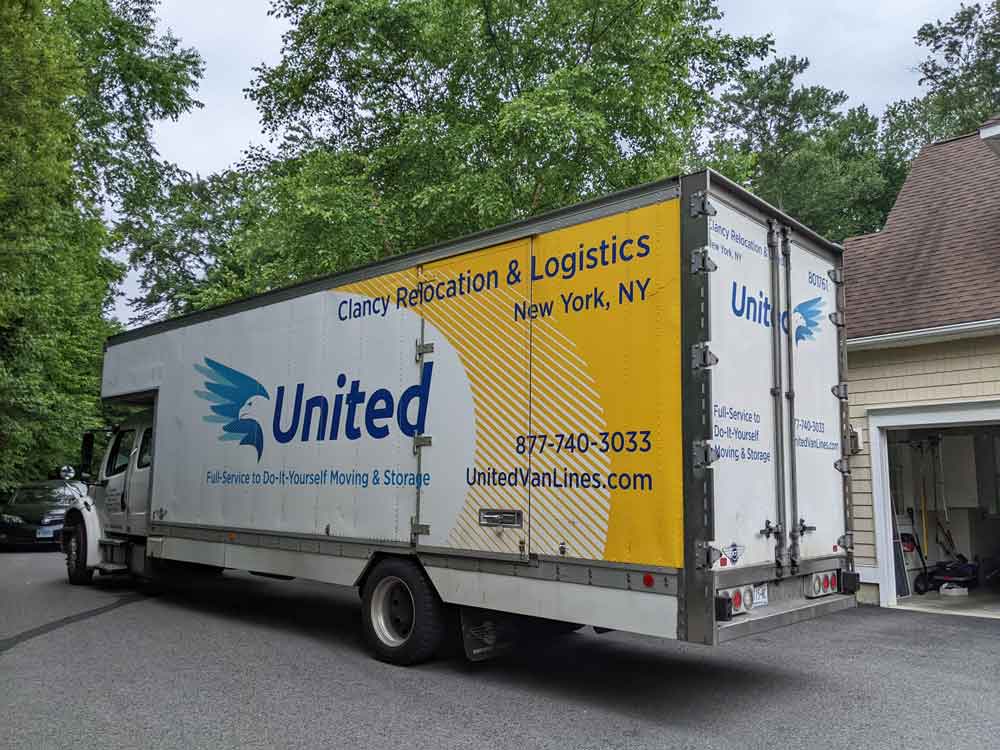
Relocating with children in CT can be a challenge, but the process becomes much more manageable with the right help. Families across CT turn to Clancy Relocation & Logistics for dependable service and peace of mind during transitions. From careful planning to timely delivery, every step is handled with care. With experience in family moves, our team understands how to reduce stress for both parents and children.
Schedule a move with Clancy Relocation & Logistics today and keep family routines on track!