
Relocating to a new home is an exciting yet challenging endeavor. With residential moves dominating the moving services market, fueled by a growing number of relocations, it’s clear that careful planning is essential. One of the most critical and often overlooked aspects of moving is preparing your appliances. These essential items require careful handling and preparation to ensure they arrive safely and function properly in your new home. Whether you’re handling the move yourself or working with packing and moving companies, knowing the important steps in preparing your appliances will help you manage the process effectively.
Table of Contents
Why Proper Appliance Preparation is Important
Why Consider Hiring Packing and Moving Companies?
5 Steps to Prepare Your Appliances for a Seamless Move
- Review Appliance Manuals for Moving Instructions
- Clean Each Appliance Thoroughly
- Disconnect and Drain Water, Gas, and Power Connections
- Secure Power Cords and Accessories
- Tape Doors and Movable Parts Securely
Best Tips for Safely Transporting and Unpacking Appliances
- Large Appliances Require Specialized Handling
- Complex Systems Require Expert Management
- Fragile Components Require Delicate Handling
- When Time and Efficiency Are a Priority
- Long-Distance or Difficult Moves
Choose Clancy Relocation & Logistics for a Seamless Moving Experience!
Key Takeaways✔ Always refer to manufacturer guidelines for proper handling and disconnection, ensuring warranties remain intact and avoiding potential damage to internal components. ✔ Deep clean appliances like refrigerators, washers, and ovens to eliminate residue, odors, and moisture, ensuring they are hygienic and ready for reinstallation. ✔ Properly disconnect water, gas, and electrical connections, ensuring all lines are securely capped or drained to prevent leaks, spills, or hazards during the move. ✔ Bundle power cords neatly and pack detachable parts separately using protective materials to prevent tangling, breakage, or loss. ✔ Use strong tape to secure doors and stabilize loose or internal components, reducing risks of shifting, damage, or accidents during transport. |
Why Proper Appliance Preparation is Important
Preparing appliances for a move is not just about convenience; it’s about protecting your investment and ensuring they remain operational. Skipping this step can lead to costly repairs or replacements. Here’s why preparation matters:
- Prevent Damage: Appliances are bulky, heavy, and often have delicate components. Without proper preparation, they can get scratched, dented, or damaged internally during transport. For example, refrigerators have cooling systems that can be compromised if moved incorrectly.
- Maintain Functionality: Items like washing machines and dishwashers rely on water and electrical systems that must be handled carefully to ensure they work as intended after the move.
- Save Time and Effort: Properly prepared appliances are easier to pack, load, and unload. This is particularly beneficial if you’ve hired a house moving service and are coordinating with movers near you to streamline the process.
Why Consider Hiring Packing and Moving Companies?
Moving heavy and bulky appliances is a task best left to professionals. Packing and moving companies provide tailored services that cater to the unique challenges of transporting appliances, ensuring your valuable items are handled with care and efficiency.
This growing demand for professional movers highlights their value in simplifying relocations. The global moving services market is projected to expand from USD 110.97 billion in 2025 to USD 143.18 billion by 2030, with a compound annual growth rate (CAGR) of 5.23% during the forecast period. This significant growth reflects the increasing trust homeowners and businesses place in professional movers to streamline the relocation process.
✔ Expertise in Handling Large Appliances
Professional house moving services specialize in managing appliances of all sizes and types, from compact microwaves to oversized refrigerators. Their knowledge and training ensure every item is handled with care, minimizing risks.
- Proven Techniques: Professionals are skilled in lifting, tilting, and maneuvering appliances to avoid strain on delicate components like cooling systems or drum stabilizers.
- Damage Prevention: They use methods that reduce the likelihood of scratches, dents, or mechanical damage during the packing and moving process.
✔ Specialized Tools and Equipment
One of the most significant advantages of hiring professionals is their access to industry-grade tools designed to transport heavy appliances safely. Navigating stairs, narrow doorways, and tight corners is another area where professionals excel. Their tools and techniques ensure your appliances remain unscathed, even in challenging spaces.
- Appliance Dollies: These make it easier to move large items like washing machines and refrigerators, reducing the risk of injury or damage to floors.
- Protective Materials: Professionals use blankets, bubble wrap, and edge protectors to shield appliances from scratches and dents during transit.
- Straps and Securement Tools: Heavy-duty straps ensure appliances are securely fastened during loading and transport, preventing shifts inside the truck.
✔ Time and Stress Savings
The physical and logistical challenges of moving appliances can quickly become overwhelming. Enlisting the help of packing and moving companies allows homeowners to focus on other critical aspects of their relocation, such as organizing personal items or setting up the new home.
- Efficient Packing and Loading: Professionals streamline the process, ensuring all appliances are packed, loaded, and transported within a shorter time frame.
- Physical Relief: Avoid the strain of lifting and carrying heavy appliances, a task that can lead to injuries if done incorrectly.
- Peace of Mind: Knowing your appliances are in expert hands reduces the stress of moving day.
✔ Insurance and Liability Protection
One of the often-overlooked benefits of working with house moving services is the added layer of security provided through insurance and liability coverage. This protection is particularly important for high-value appliances, where repair or replacement costs can be significant.
- Damage Coverage: Most reputable packing and moving companies offer insurance options to protect your appliances in case of accidents during transit.
- Accountability: Professional movers take responsibility for the safety of your items, giving you peace of mind that any potential issues will be resolved efficiently.
✔ Flexible Moving Solutions
Professional movers often offer customizable services tailored to your specific needs. This flexibility ensures that your appliances are moved at your convenience, aligning with the rest of your relocation plans.
- Partial or Full Packing Services: Whether you need help with just your appliances or your entire household, movers near you can adjust their services accordingly.
- Storage Options: For long-distance moves or delayed setups, many companies provide secure storage facilities to hold your appliances temporarily.
Whether you’re managing a local relocation or a long-distance move, partnering with trusted movers like Clancy Relocation & Logistics is a practical solution for simplifying the process. These experts not only ensure the safety of your appliances but also provide a smoother, more enjoyable moving experience overall.
5 Steps to Prepare Your Appliances for a Seamless Move
Proper preparation is key to ensuring your appliances are transported safely and remain in excellent condition. Whether you’re doing it yourself or relying on packing and moving companies, following these steps will make the process smoother.
1. Review Appliance Manuals for Moving Instructions
Each appliance is unique, and the manufacturer’s guidelines are an invaluable resource for proper handling during a move. Ignoring these instructions can result in permanent damage or reduced functionality.
Locate the Manuals:
- Search through storage areas or drawers where original manuals may be kept.
- If manuals are missing, check the manufacturer’s website for digital copies or resources.
Why Follow Manufacturer Guidelines?
- Specific instructions often address critical aspects, such as:
- Securing internal components like drum stabilizers for washing machines.
- Properly defrosting refrigerators to avoid coolant system damage.
- These guidelines ensure safe handling and protect warranties, which might become void if incorrect procedures are followed.
Ask for Assistance:
- If instructions are unclear, reach out to the manufacturer or appliance dealer for guidance.
- Many packing and moving companies have experience with appliance preparation and can provide additional insights.
2. Clean Each Appliance Thoroughly
Cleaning your appliances before a move not only ensures hygiene but also helps prevent odors, mold, and residue buildup during transit. Clean appliances are also easier to handle for house moving services and minimize risks of attracting pests.
Refrigerator:
- Empty the fridge, including perishable and non-perishable items.
- Defrost the freezer at least 24 hours in advance to prevent water leakage.
- Wipe down all surfaces with a mild cleaner, paying special attention to corners and seals.
- Remove and pack bins, racks, and trays separately, securing them with padding to prevent damage.
Washing Machine:
- Run an empty hot water cycle with detergent to clean the drum and eliminate residue.
- After cleaning, leave the door open for at least 24 hours to ensure the machine is completely dry.
- Check and clean the lint trap, if applicable, to prevent clogging.
Dryer:
- Wipe the interior drum with a mild household cleaner.
- Run a short drying cycle with old towels to remove any cleaning residue.
- Clean out the lint trap thoroughly to enhance safety during transport.
Stove/Oven:
- Remove and clean racks, trays, and burners using appropriate cleaning products.
- Scrub the oven’s interior to remove grease and debris.
- Secure or pack detachable parts to prevent them from shifting or causing scratches.
Dishwasher:
- Empty the dishwasher and remove utensil holders or racks.
- Clean the interior and allow it to air-dry thoroughly before packing.
3. Disconnect and Drain Water, Gas, and Power Connections
Disconnecting appliances properly is essential for safety and smooth handling. Mishandling water, gas, or electrical connections can cause damage or create hazards during the move.
Water Lines:
- Appliances like washing machines, dishwashers, and refrigerators require disconnection from water supplies.
- Drain water lines completely to prevent spills or leaks during transit.
- Use towels to catch any residual water when disconnecting hoses.
Gas Connections:
- Turn off the gas supply for stoves, ovens, and dryers before disconnecting.
- If you’re unsure how to handle gas lines, consult a professional or your gas provider.
- Properly seal disconnected gas lines to prevent leaks during the move.
Electrical Connections:
- Unplug all appliances carefully, ensuring cords are not damaged in the process.
- For refrigerators, unplug at least 24 hours before moving to allow the coolant to settle and prevent leaks.
4. Secure Power Cords and Accessories
Loose cords and accessories can pose safety hazards and risk damage if not properly secured. This step ensures everything stays organized and safe during transit.
Bundle and Tape Cords:
- Neatly loop power cords and secure them to the back of the appliance using packing tape. This prevents cords from dangling, getting tangled, or creating tripping hazards during the move.
Pack Accessories Separately:
- Detachable parts, such as shelves, trays, and bins, should be packed separately in labeled boxes.
- Use bubble wrap or padding to protect these items from breaking or scratching.
- Label each box with its corresponding appliance for easy reassembly.
5. Tape Doors and Movable Parts Securely
Appliance doors and other movable parts can swing open during transit, leading to damage or accidents. Properly securing these elements is vital for a safe move.
Use Packing Tape:
- Secure appliance doors firmly with strong packing tape. Avoid using duct tape, as it can leave a sticky residue.
- Reinforce tape around handles for added stability.
Secure Loose Parts:
- If certain parts cannot be removed, such as glass shelves or rotating trays, secure them in place using padding or tape. This helps prevent internal components from shifting or breaking.
By following these steps carefully, homeowners can ensure their appliances are well-prepared for a move. Whether handled independently or with the help of house moving services, proper preparation safeguards your valuable appliances and minimizes the risk of damage. With reliable packing and moving companies and trusted movers like Clancy Relocation & Logistics, the transition becomes significantly more manageable, allowing you to settle into your new home with ease.
Best Tips for Safely Transporting and Unpacking Appliances
Transporting appliances safely and ensuring they are reassembled correctly in your new home requires careful attention. These best practices will help protect your investment, minimize risks, and ensure a seamless transition, whether you’re managing the move yourself or working with professional packing and moving companies.
✔ Protect Appliances During Transit
The safety of your appliances largely depends on how well they are secured and protected during the journey. These protective measures are standard practices for professional house moving services, ensuring your appliances arrive at your destination in optimal condition.
Wrap in Protective Materials:
- Use moving blankets, bubble wrap, or appliance-specific covers to shield surfaces from scratches, dents, and other damage.
- Pay extra attention to corners and edges, which are prone to chipping during movement.
- For delicate appliances, such as refrigerators with glass shelving or ovens with glass doors, add an extra layer of protection like foam padding or corner protectors.
Secure in the Truck:
- Position appliances upright to maintain the integrity of internal components like cooling systems and motors.
- Use heavy-duty straps or ratchet ties to hold appliances securely in place, preventing them from shifting during the drive.
- Place heavier appliances, such as refrigerators and washing machines, at the bottom of the truck to stabilize the load.
- Maintain a buffer zone with padding or soft items like mattresses to absorb shocks and prevent collisions between appliances.
✔ Unpack with Care
Proper unpacking is as important as preparation. Taking your time to reassemble and inspect appliances ensures they function correctly in your new home.
Reconnect Utilities:
- Start by carefully reattaching water, gas, and electrical connections. Use the manufacturer’s guidelines to ensure each connection is secure.
- For gas appliances, test for leaks using a soap and water solution or consult a professional if unsure.
- If using packing and moving companies, inquire whether they offer reassembly services, as this can save time and ensure proper setup.
Inspect for Damage:
- Before using any appliance, examine it for scratches, dents, or signs of mishandling during transit.
- Check that doors, knobs, and detachable parts are secure and functional.
- For refrigerators, allow them to sit upright for a few hours before plugging them in to let the coolant settle.
Test Functionality:
- Run a quick test cycle for appliances like washing machines and dishwashers to ensure proper operation.
- Verify that ovens heat correctly, and refrigerators maintain the desired temperature.
- If any issues arise, contact the manufacturer or a professional repair service immediately.
When to Hire Professionals
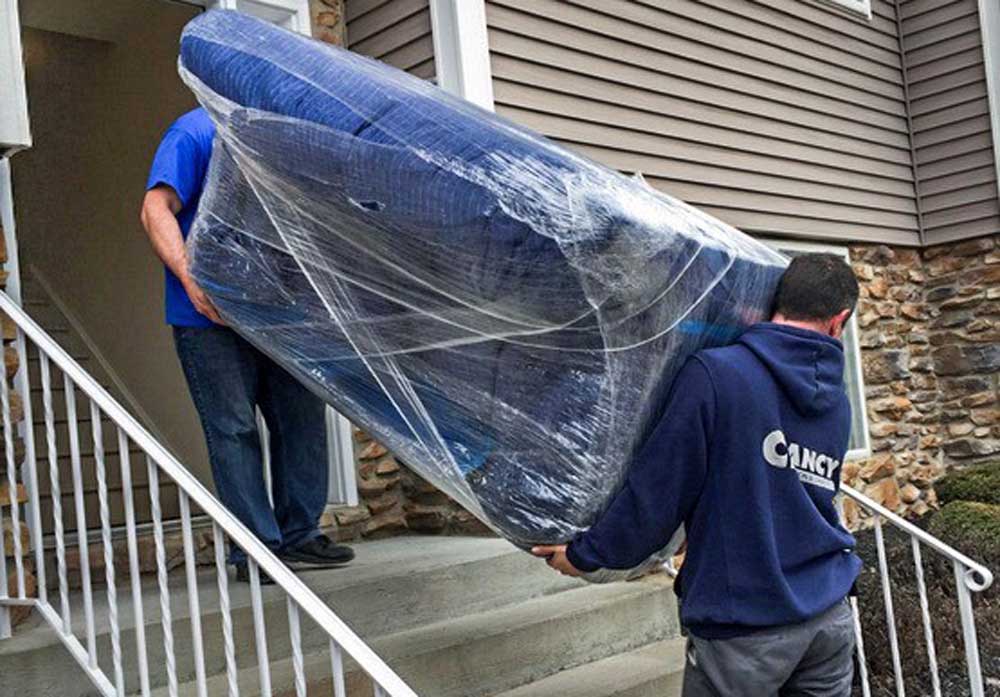
There are specific scenarios where hiring professional house moving services isn’t just a convenience—it’s a necessity. Moving appliances comes with challenges that require expertise, equipment, and proper handling to ensure the safety of both the items and the individuals involved. Here’s a closer look at the circumstances that make hiring professionals the smartest choice.
1. Large Appliances Require Specialized Handling
Appliances like refrigerators, ovens, and washing machines are heavy, cumbersome, and require precise handling to avoid damage.
- Weight and Bulk: The sheer size and weight of these items make them difficult to maneuver through tight spaces like staircases, narrow doorways, or hallways. Professionals use equipment such as dollies and straps to move them safely.
- Preventing Internal Damage: Large appliances often have internal components, like cooling systems in refrigerators or drums in washing machines, that can be damaged if not properly secured.
- Avoiding Property Damage: Mishandling bulky appliances can result in scratched floors, dented walls, or damaged door frames. Professionals are trained to protect your home as well as your belongings.
2. Complex Systems Require Expert Management
Appliances connected to gas lines, water lines, or electrical systems require extra care during disconnection and preparation for transport.
- Gas Lines: Disconnecting gas stoves and dryers must be done with precision to prevent leaks or accidents. Professionals ensure valves are shut off and lines are capped securely.
- Water Lines: Washing machines, refrigerators, and dishwashers often need their water lines drained completely. Any leftover water can leak during the move, causing damage to floors or other items.
- Electrical Systems: Appliances with complex wiring or sensitive electronics, like ovens or high-tech refrigerators, must be handled carefully to prevent short circuits or other malfunctions.
3. Fragile Components Require Delicate Handling
Certain appliances feature fragile parts that are prone to damage during a move.
- Glass Panels: Appliances such as ovens or refrigerators often have glass doors or shelves that can easily crack or shatter if mishandled. Movers use padding and protective materials to safeguard these components.
- Delicate Motors and Mechanisms: Items like washing machines and dryers contain motors, belts, and pulleys that must be stabilized to prevent damage during transport. Professionals know how to secure these internal parts properly.
- Specialized Appliances: High-end or custom appliances often include intricate designs or unique components that require additional attention. Movers with experience in handling such items reduce the risk of costly damage.
4. When Time and Efficiency Are a Priority
If you’re on a tight schedule, professional movers can save you valuable time.
- Streamlined Process: Professionals work quickly and efficiently, packing, loading, and transporting your appliances with minimal downtime.
- Avoiding Mistakes: DIY moving can lead to errors that delay the process, such as improper packing or unsuccessful disconnections. Professionals bring expertise that minimizes these issues.
- Coordination with Other Services: Many house moving services also provide coordination for other aspects of your move, such as furniture packing and transportation, helping you manage the entire process seamlessly.
5. Long-Distance or Difficult Moves
Relocating appliances across long distances or to locations with challenging access points increases the need for professional assistance.
- Long-Distance Moves: For extended trips, appliances need to be secured against prolonged vibrations and potential road hazards. Professionals use advanced packing techniques and protective materials for added safety.
- Difficult Access Points: If your new home has narrow staircases, elevators, or tight corners, professional movers are equipped to navigate these obstacles without damaging your appliances or property.
Hiring professional house moving services is the best way to handle the challenges of relocating appliances. Their expertise, tools, and efficiency make the process safer and more manageable, whether you’re dealing with large, complex, or fragile items. Searching for movers near me ensures you can find trusted professionals to streamline your move and protect your belongings.
Frequently Asked Questions
How do I choose the right packing and moving company?
Start by researching reputable companies online and reading customer reviews. Ask for recommendations from friends or family who have recently moved. Always ensure the company is licensed, and insured, and offers transparent pricing before making a decision.
What services do packing and moving companies offer beyond transportation?
Packing and moving companies provide comprehensive services, including packing, unpacking, furniture disassembly, reassembly, and storage solutions. They also specialize in handling fragile or specialty items like antiques and pianos. These additional services ensure a smoother and more efficient moving experience tailored to your needs.
How far in advance should I book a moving company?
It’s best to book a moving company at least 4–6 weeks in advance to ensure availability, especially during the peak moving season. Early booking also allows you to compare quotes and secure better rates. For last-minute moves, some companies may offer expedited services, but availability and pricing may vary.
Are there items that moving companies will not transport?
Most moving companies will not transport hazardous materials like propane tanks, paints, or cleaning chemicals. Additionally, perishable goods and personal or sentimental items like important documents or jewelry are often excluded. It’s always best to ask for a list of restricted items when booking your move.
What should I do if my belongings are damaged during the move?
Document the damage by taking photos and keeping a record of the affected items. Contact the moving company immediately to initiate a claims process, providing the necessary evidence to support your case. Most professional companies offer valuation coverage and will guide you through the resolution process efficiently.
Choose Clancy Relocation & Logistics for a Seamless Moving Experience!
When it comes to moving, it’s essential to trust professionals who adhere to industry standards and regulations. Companies transporting passengers or cargo across state lines must be registered with the FMCSA (Federal Motor Carrier Safety Administration) and possess a valid USDOT Number—a standard that Clancy Relocation & Logistics meets and exceeds.
Contact Clancy Relocation & Logistics today to experience the benefits of our trusted services and ensure your next move is as seamless as possible!