
Relocating a data center is a complex, mission-critical task requiring meticulous planning and expertise. It involves not just the physical movement of hardware but also the seamless transfer of data, processes, and operational continuity. The stakes are high, with potential risks including extended downtime, data loss, or compliance violations. In 2023, the US data center market was estimated at $99.97 billion, underscoring the significant value and critical nature of these operations. Leading moving companies emphasize a structured and strategic approach to ensure a successful relocation.
Here are six detailed and practical strategies to achieve a smooth and efficient data center relocation.
1. Comprehensive Assessment and Risk Planning
Every successful relocation begins with a meticulous assessment of the current infrastructure and an evaluation of risks. This foundational step helps organizations anticipate challenges and design effective solutions.
Assess Your Infrastructure
As per moving companies, a detailed understanding of your existing data center setup is essential to avoid oversights during the move:
- Inventory Documentation: Create a detailed record of all physical assets, including servers, networking equipment, storage devices, and cables. Document configurations, dependencies, and physical placement.
- Dependency Mapping: Identify how systems interact and depend on one another. This ensures critical applications are prioritized and functional dependencies are maintained.
- Capacity Analysis: Evaluate whether the new location meets power, cooling, and space requirements for current and future needs.
Risk Mitigation Strategies
Identifying and addressing risks reduces the chances of disruptions during the relocation:
- Equipment Sensitivity: Categorize hardware based on fragility and criticality. Implement special handling or packaging for delicate equipment.
- Compliance Requirements: Verify that sensitive data will be transported and stored in compliance with regulatory standards like GDPR, HIPAA, or PCI-DSS.
- Contingency Planning: Prepare for unexpected delays, hardware failures, or other disruptions. Develop a fallback strategy to keep operations running.
2. Strategic Downtime Management and Data Protection
Minimizing downtime is one of the most critical goals of a data center relocation. In parallel, safeguarding data is essential to avoid catastrophic loss or breaches.
Minimizing Downtime
The key to limiting disruptions is a carefully crafted downtime strategy:
- Phased Migration: Move systems incrementally to allow certain components to remain operational while others are in transit. This reduces the operational impact.
- Virtualization Solutions: Use virtualized environments to temporarily host critical applications, ensuring they remain accessible during the transition.
- Failover Mechanisms: Implement failover systems or disaster recovery sites to maintain availability during the move.
Data Protection Plan
Data is the lifeblood of any organization. Ensuring its safety during relocation is paramount:
- Pre-Move Backups: Create comprehensive backups of all data to safeguard against accidental loss or corruption. Test backups to ensure integrity.
- Encrypted Transfers: Use secure and encrypted methods to move sensitive data between locations.
- Validation Processes: After relocation, conduct rigorous data validation to confirm accuracy and integrity before resuming operations.
3. Professional Relocation Services
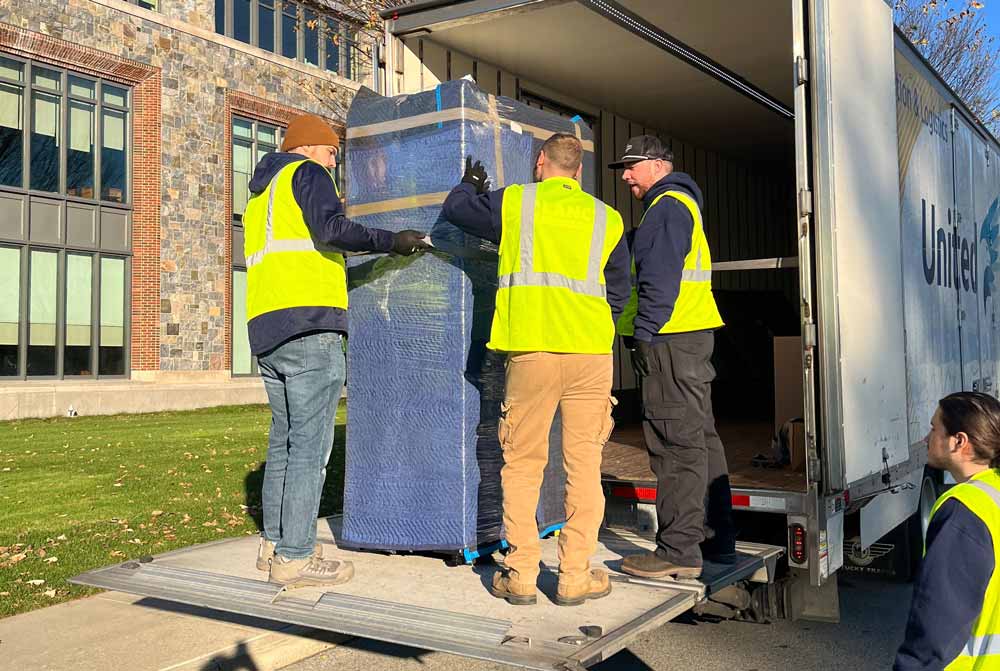
Hiring specialized moving companies for data center relocation is one of the most effective ways to streamline the process and mitigate risks. Their expertise ensures that even the most complex moves are handled efficiently.
Partner with the Right Professionals
Not all moving companies are created equal; selecting one with data center relocation experience is vital:
- Specialized Equipment Handling: Professionals use anti-static materials, climate-controlled transportation, and custom packaging to safeguard hardware.
- Installation Services: Moving companies with technical expertise can assist with racking, cabling, and configuring equipment in the new location.
- Compliance Expertise: Experienced providers are familiar with industry regulations, ensuring that equipment handling and data transfer remain compliant.
4. Testing and Post-Move Validation
Even the most carefully planned relocation requires thorough testing after the move. Testing ensures systems are operational, and any issues are addressed before normal operations resume.
System Testing
Testing is a multi-layered process that covers both hardware and software functionality:
- Hardware Functionality: Inspect each device for signs of physical damage or performance issues after installation.
- Application Performance: Validate that all applications run as intended, with no errors or lags caused by the relocation.
- Network Connectivity: Confirm that all connections, including switches, routers, and firewalls, are operational and properly configured.
Post-Move Support
Relocations often reveal unforeseen issues that need immediate resolution:
- Monitoring Solutions: Implement real-time monitoring tools to detect and resolve anomalies quickly.
- On-Site Technical Support: Ensure technical staff is on hand to address configuration issues, hardware malfunctions, or performance bottlenecks.
5. Clear Communication and Stakeholder Engagement
Transparent and consistent communication is a cornerstone of successful data center relocation. Keeping stakeholders informed reduces misunderstandings and builds trust.
Develop a Communication Plan
A structured communication plan ensures everyone involved is on the same page:
- Internal Updates: Notify employees about timelines, responsibilities, and potential disruptions. Ensure all teams understand their roles.
- Client Notifications: Inform customers of any anticipated service interruptions and outline steps to minimize the impact.
- Vendor Coordination: Work closely with vendors, contractors, and moving companies to align schedules and logistics.
6. Documentation and Continuous Improvement
Relocation is an opportunity to optimize processes and establish a foundation for future success. Thorough documentation ensures continuity and supports long-term improvements.
Document the Process
Comprehensive documentation simplifies troubleshooting and maintenance after the move:
- Equipment Placement: Record the exact location of servers, racks, and peripherals in the new facility.
- Configuration Details: Maintain a log of network settings, IP addresses, and system configurations for reference.
- Relocation Changes: Note any alterations made during the move, such as equipment upgrades or reconfigurations.
Frequently Asked Questions
What is the role of project management in data center relocation?
Project management ensures all tasks are coordinated, timelines are adhered to, and risks are mitigated. A dedicated project manager acts as a central point of contact, aligning stakeholders and ensuring clear communication. They oversee the entire relocation lifecycle, from initial planning to post-move validation. Their expertise is critical in handling unexpected challenges efficiently.
What types of equipment are typically moved during a data center relocation?
Equipment includes servers, storage devices, network switches, routers, and power distribution units. Other assets like backup systems, racks, cooling units, and monitoring tools may also be relocated. Each type of equipment requires specific handling, packaging, and transport considerations.
What are the costs associated with data center relocation?
Costs can vary widely based on the scale of the move, distance, and the complexity of the equipment involved. Expenses may include transportation, new infrastructure, personnel, and consultancy fees. Downtime during the move may also result in revenue loss. A clear budget plan helps anticipate costs and avoid financial surprises.
How long does a data center relocation typically take?
The duration of a relocation project depends on the size and complexity of the data center. For small setups, the process might take a few weeks, while large-scale relocations can span several months. Detailed planning, including inventory, design, and testing, is critical to ensuring an efficient timeline. Proactive management of potential risks also helps avoid delays.
What challenges are associated with data center relocation?
Challenges include minimizing downtime, ensuring data integrity, and aligning with regulatory compliance. Technical issues, such as equipment incompatibility or network reconfiguration, may arise. Another hurdle is coordinating multiple teams, vendors, and stakeholders effectively. Proper risk management, contingency plans, and skilled personnel can mitigate these challenges.
Ensure a Seamless Data Center Move with Clancy Relocation & Logistics!
Data center relocations demand precision, expertise, and reliable execution. Clancy Relocation & Logistics delivers comprehensive solutions that protect critical infrastructure, minimize downtime, and ensure operational continuity. With a proven track record in handling complex relocations, Clancy’s expert team manages every step of the process, from secure transport to precise reinstallation. Trust Clancy to simplify the relocation journey and provide tailored support for successful outcomes.
Contact Clancy Relocation & Logistics today to explore customized solutions for data center relocation needs.