
Table of Contents
10 Essential Tips for a Seamless Residential Move
- Plan Early and Create a Timeline
- Declutter and Organize
- Hire Professional Movers
- Pack Smart and Label Efficiently
- Create an Essentials Box
- Update Important Information
- Prepare for Moving Day
- Handle Valuables and Fragile Items Carefully
- Involve the Whole Family
- Settle In Smoothly
Simplify the Moving Process with Clancy Relocation & Logistics!
Key Takeaways
✔ Start preparations at least two months to ensure every detail is addressed.
✔ Reduce clutter by sorting items into “keep,” “donate,” and “discard” categories before packing.
✔ Select licensed, insured movers with positive reviews to handle belongings carefully.
✔ Use quality packing materials and clear labeling to protect items and simplify unpacking.
✔ Pack a box with essential items for the first day or two in the new home.
✔ Notify utility providers, financial institutions, and other services about the address change in advance.
✔ Confirm logistics with movers, keep supplies ready, and stay hydrated to streamline moving day.
✔ Protect fragile and valuable items with proper packing materials and clear labeling.
✔ Assign age-appropriate tasks to family members to make the move efficient and collaborative
✔ Focus on unpacking essential areas first to quickly create a comfortable and functional home.
Moving to a new home marks the beginning of an exciting chapter in life, but it often comes with a fair share of challenges. For starters, transporting belongings can quickly feel overwhelming without the right approach. Fortunately, with proper planning and expert guidance, the experience can be transformed into a smooth and stress-free journey.
Here are 10 expert-approved strategies that provide practical solutions and ensure a seamless move with the help of professional movers near me.
10 Essential Tips for a Seamless Residential Move
1. Plan Early and Create a Timeline
A successful move begins with a solid plan. Without a clear strategy, tasks can quickly become overwhelming, leaving little room for error or unexpected circumstances. Experts emphasize starting the planning process at least two months before the moving date to ensure sufficient time to organize every detail and prevent last-minute chaos.
Why Early Planning Matters
Creating a well-structured timeline provides a roadmap for the entire moving process. Early preparation allows for strategic decisions, smoother coordination, and the ability to address challenges proactively.
- Set Milestones: Breaking the move into smaller, actionable tasks makes the process more manageable. Milestones might include booking a reliable house moving service, gathering packing materials, packing individual rooms, and notifying utility companies of the move. Assign realistic deadlines for each task to ensure nothing is overlooked.
- Budget Wisely: Creating a detailed budget is a crucial step in managing your finances effectively. It allows you to plan for and prioritize key expenses, ensuring you have a clear understanding of where your money is going. A well-structured budget can help you avoid financial strain by identifying potential shortfalls and enabling you to make adjustments before they become issues. By allocating funds for essential costs, savings, and unexpected expenses, you can maintain financial stability and achieve your financial goals with greater confidence.
- Prepare for Unforeseen Issues: Moving can be unpredictable, with potential disruptions such as bad weather, last-minute schedule changes, or delays with house moving services. Early planning allows for contingency measures, such as flexible scheduling with residential movers or alternative transportation arrangements.
2. Declutter and Organize
Decluttering is one of the most effective ways to streamline the moving process. By eliminating unnecessary items, homeowners reduce the volume of belongings to pack and transport, which can significantly lower costs. Beyond the financial benefits, research shows that an uncluttered and organized space enhances productivity, reduces irritability, and helps individuals process information more effectively.
How to Declutter Effectively
Decluttering may seem daunting, but following a systematic approach can make it an empowering and transformative process.
- Take Inventory: Conduct a thorough inventory of belongings, assessing their necessity and usefulness. Categorize items into “keep,” “donate,” “sell,” or “discard” groups. For example, seasonal clothing, outdated electronics, or furniture that won’t fit the new space may be better suited for donation or sale. Keeping only essential and meaningful possessions ensures that the new home remains uncluttered.
- Host a Garage Sale: Organizing a garage or yard sale is a practical way to dispose of unwanted items while earning extra cash for moving expenses. Items like old furniture, books, and gently used appliances often sell well in local sales. Ensure proper advertising in the neighborhood or online platforms to maximize attendance.
- Donate to Charities: Items that are no longer needed but still in good condition can be donated to charitable organizations or thrift stores. Many charities also offer pick-up services, making the donation process simple and convenient. This helps lighten the load while benefiting the community.
3. Hire Professional Movers
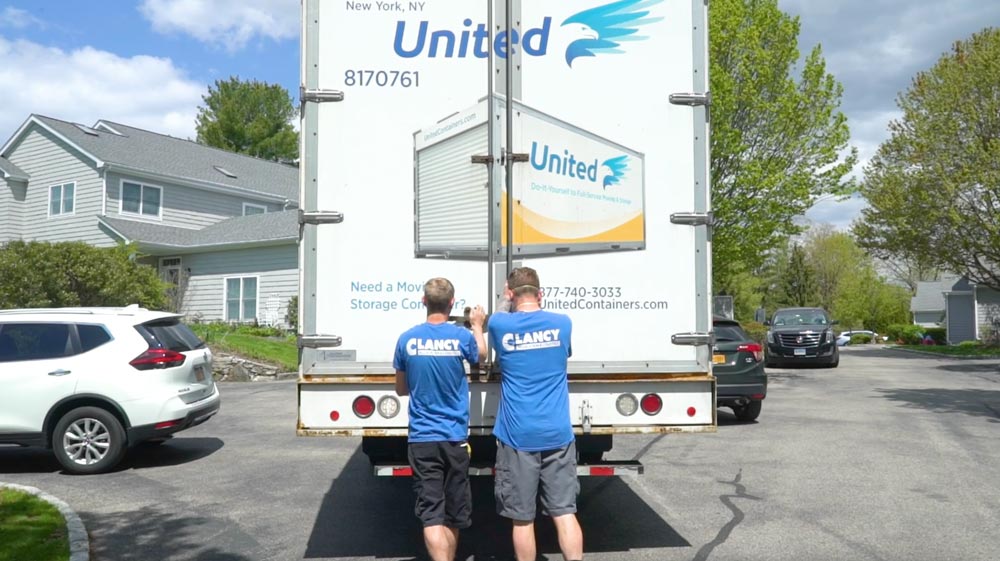
Hiring residential movers is one of the best ways to ensure a smooth and hassle-free relocation. These experts bring specialized skills, equipment, and efficiency to the process, making it easier to handle the complexities of moving. Searching for “professional movers near me” online is a great starting point for finding reliable assistance.
Tips for Finding the Right Movers
The right moving company can make a significant difference in the quality of the moving experience. Taking the time to select the best house moving service ensures peace of mind and the safe transport of belongings.
- Research Thoroughly: Look for residential movers with strong reviews and ratings on platforms like Yelp, Google Reviews, and the Better Business Bureau to find reliable and professional options.
- Ask for Referrals: Seek recommendations from friends, family, or neighbors who can provide first-hand insights into trustworthy movers and their experiences.
- Check Licensing and Valuation: Ensure the professional movers near me are licensed and insured to meet regulatory standards and cover potential damages, especially for interstate moves requiring U.S. Department of Transportation registration.
- Inquire About Services: Confirm what is included, such as full-service options like packing, or if the company only handles transportation. This ensures that the service aligns with specific moving needs.
4. Pack Smart and Label Efficiently
Packing can be time-consuming in a house moving service, but strategic methods make it more manageable and ensure a smoother unpacking process. Proper labeling and organization save time and prevent confusion.
Packing Tips from the Pros
To ensure a smooth process, residential movers recommend following best packing practices.
- Gather the Right Supplies: Use quality packing materials like sturdy boxes, bubble wrap, tape, and markers to protect your belongings and prevent damage. Specialty boxes are ideal for items like mirrors or dishes.
- Pack Room by Room: Focus on one room at a time to stay organized and make unpacking easier by placing items directly in their respective spaces.
- Label Boxes Clearly: Label each box with its room and a brief description of contents, such as “Kitchen – Pots and Pans,” to help movers know where to place them.
- Use Color-Coding: Assign each room a color and use corresponding tape or stickers for quick identification at a glance.
- Pack Heavier Items First: Place heavier items at the bottom of boxes and fragile or lighter items on top, using cushioning materials as needed.
5. Create an Essentials Box
An essentials box holds all the items needed for the first day or two in the new home, which helps prevent the frustration of searching through packed boxes for necessities. This significantly reduces stress and ensures that the transition is as comfortable as possible.
Essentials to Include
When preparing an essentials box for a house moving service, think about the items required to meet immediate needs upon arrival.
- Toiletries: Include everyday items like toothpaste, toothbrushes, soap, shampoo, conditioner, and toilet paper. Don’t forget hand towels and any personal hygiene products used regularly.
- Clothing: Pack a change of clothes, pajamas, and comfortable footwear for each family member. This ensures that everyone can rest and feel at ease after a long moving day.
- Medications: Include all prescription medications, a basic first-aid kit, and over-the-counter essentials like pain relievers or allergy medicine. Having these items readily available is crucial in case of an emergency.
- Important Documents: Keep critical paperwork such as IDs, passports, moving contracts, medical records, and valuation documents in the essentials box. These items should always remain with the homeowner to avoid misplacement.
- Basic Kitchen Items: Pack a few snacks, disposable plates, utensils, cups, and a small coffee maker or kettle. These items help maintain comfort and convenience before the kitchen is fully unpacked.
6. Update Important Information
Updating information is a critical but often overlooked part of the moving process. Failing to notify the appropriate parties can lead to service interruptions, missed bills, and communication gaps. Taking the time to handle these updates well before moving day prevents unnecessary complications.
Who to Notify About the Move
Several key updates should be made to ensure a seamless transition.
- Utility Providers: Schedule the disconnection of utilities at the current home and their reconnection at the new address. This includes electricity, water, gas, internet, and trash collection. Coordinate these changes to ensure services are active upon arrival at the new home.
- Postal Service: Submit a change-of-address request to the postal service to forward mail to the new address. This prevents important correspondence from being lost or delayed during the transition.
- Banks and Credit Card Companies: Notify financial institutions about the move to ensure timely receipt of statements, bills, and notifications. Updating the address also minimizes the risk of fraud or account discrepancies.
- Healthcare Providers: Inform doctors, dentists, and pharmacies of the change to ensure continuity of care. Additionally, request copies of medical records or prescriptions if switching providers.
- Schools and Employers: Notify schools about the move to facilitate the transfer of records if children are switching schools. Inform employers to update contact information for payroll, benefits, and tax purposes.
7. Prepare for Moving Day
Moving day is the culmination of all the preparation and planning. It can often feel overwhelming, but being well-prepared ensures a smoother and more organized experience. With a solid plan in place, homeowners can minimize disruptions and handle the day with confidence.
Key Preparations for Moving Day
Taking a few key steps in advance helps keep the day on track and reduces unnecessary stress.
- Confirm Arrangements: Contact the residential movers to verify their arrival time, the details of the moving contract, and any specific instructions. This ensures that everyone involved is on the same page, avoiding delays or misunderstandings.
- Prepare for Weather: Check the weather forecast and have contingency plans in place. For example, keep tarps handy for rain, wear appropriate clothing for heat, or prepare salt for icy walkways in winter.
- Keep Supplies Handy: Set aside a “moving day kit” that includes scissors, tape, garbage bags, and cleaning supplies. These items can be lifesavers for last-minute needs, such as sealing a box or cleaning a space before leaving.
- Stay Hydrated: Moving is physically demanding, so it’s essential to pack water bottles and easy-to-eat snacks like granola bars or sandwiches. Keeping everyone hydrated and energized ensures productivity throughout the day.
- Secure Valuables: Personal documents, jewelry, and cash should remain with the homeowner rather than being packed with other belongings. Keeping these items in a designated bag ensures they’re accessible and protected.
8. Handle Valuables and Fragile Items Carefully
Certain belongings, such as fragile or high-value items, require extra care during a move. Protecting these possessions ensures they arrive at the new home intact and unharmed. Employing specialized packing methods and services minimizes the risk of damage.
Best Practices for Fragile and Valuable Items
As recommended by professional movers near me, careful handling and proper preparation go a long way in safeguarding cherished belongings.
- Wrap with Care: Use bubble wrap, foam padding, or packing paper to cushion delicate items like glassware, ceramics, and picture frames. Place additional padding between items to prevent them from shifting and breaking.
- Use Hard-Sided Containers: When it comes to transporting valuable items such as jewelry, electronics, or collectibles, hard-sided, lockable containers are a smart choice. These containers provide enhanced protection against impact and theft, giving you peace of mind. Some local movers, like Clancy, also recommend that customers take certain valuable or personal items with them during the move for added security. Be sure to ask your movers if they have specific guidelines or advice about which items you should personally transport to ensure everything arrives safely
- Label Fragile Boxes Clearly: Mark boxes containing breakables with “Fragile” and “Handle with Care” labels. This alerts professional movers to exercise caution when handling these items.
- Consider Specialty Services: If you need to move unique or high-value items such as pianos, chandeliers, wine collections, or sculptures, it’s essential to hire professional movers experienced in handling these delicate belongings. For example, Clancy Relocation & Logistics specializes in the safe transportation of antiques, fine art, and other valuable possessions. They use advanced equipment and proven techniques to protect these items throughout the moving process, ensuring they arrive at their destination in pristine condition.
9. Involve the Whole Family
Moving is not just a logistical challenge; it’s also a family event. Involving everyone in the process makes the move more efficient and enjoyable while fostering a sense of teamwork. Assigning tasks and responsibilities allows each member to contribute meaningfully.
Ways to Engage the Family
When everyone works together, the moving process becomes smoother and less stressful.
- Assign Tasks by Ability: Give age-appropriate responsibilities to each family member. For example, children can pack toys and label boxes, teenagers can handle lighter furniture, and adults can manage heavier or more complex tasks.
- Create a Reward System: Keep morale high by offering small rewards or breaks. Treats like snacks, favorite meals, or a family outing after moving day can serve as motivation and make the process more enjoyable.
- Prepare Pets for the Transition: Moving can be stressful for pets, so plan ahead to ensure their safety and comfort. Arrange for pets to stay in a quiet, secure space on moving day, or consider boarding them temporarily.
10. Settle In Smoothly
After the boxes are unloaded and the moving truck departs, the process of settling into the new home begins. Unpacking and organizing can feel overwhelming, but a systematic approach helps homeowners transform their space into a comfortable and functional environment quickly.
Steps for a Comfortable Transition
Focusing on essential areas first ensures that the new house starts feeling like home right away.
- Unpack Bedrooms First: Start by setting up beds and unpacking bedding. A good night’s sleep is essential after a long day of moving, and having bedrooms ready helps create a sense of normalcy.
- Organize the Kitchen: Unpack kitchen essentials, such as utensils, cookware, and everyday appliances, to make meal preparation easier. Prioritize items like plates, cups, and the coffee maker for immediate use.
- Tackle Common Areas Last: Living rooms and decorative touches, like hanging artwork or arranging furniture, can be addressed once the functional spaces are complete. This allows homeowners to focus on comfort and utility first.
- Explore the Neighborhood: Take some time to walk or drive around the new area. Familiarizing nearby grocery stores, schools, parks, and restaurants helps create a sense of connection to the community.
Frequently Asked Questions
Do moving companies offer a valuation for my belongings?
Most moving companies provide basic liability coverage, but they may not fully reimburse the value of your belongings. This coverage typically compensates based on weight, not actual value, which can be insufficient for high-value items. Many movers offer additional valuation options for comprehensive protection. Alternatively, you can purchase third-party moving valuation to cover any gaps.
What is the best time of year to move?
The best time of year to move depends on your priorities, such as cost, convenience, and weather. Summer is the busiest moving season, offering ideal weather but higher prices and limited availability for movers. Winter moves are often more affordable but can present challenges like snow or icy conditions. Spring and fall offer a balance, with moderate weather and more flexible scheduling. Consider consulting reliable movers like Clancy Relocation & Logistics for specific advice to ensure the most accurate and helpful information for your move.
How far in advance should I book a moving company?
Booking a moving company at least four to six weeks in advance is ideal, especially during the busy summer months. Early booking ensures availability and often allows for better pricing options. If you’re moving during an off-peak season, two to three weeks might suffice, but it’s always better to book earlier to avoid last-minute stress. Keep in mind that certain times of the month, like weekends or the end of a lease cycle, may require even more lead time.
How can I save money on a residential move?
Saving money on a move involves strategic planning and resourcefulness. Declutter beforehand to reduce the number of items you need to transport, which can lower moving costs. Consider renting a truck and enlisting friends to help if professional movers are out of budget. Look for free or low-cost packing materials, such as used boxes from local stores or community groups. Finally, schedule your move during off-peak times, like mid-week or mid-month, when rates are typically lower.
What should I do if my belongings are damaged during the move?
If your belongings are damaged during a move, document the damage immediately by taking photos and making notes. Notify the moving company as soon as possible, ideally on the day of the move. Most companies require you to file a claim within a specific timeframe, so review their policy and adhere to deadlines. Provide all necessary documentation, such as photos, receipts, or the inventory list, to support your claim. In some cases, additional valuation may offer greater reimbursement if basic coverage is insufficient.
Simplify the Moving Process with Clancy Relocation & Logistics!
A stress-free move begins with expert assistance. Clancy Relocation & Logistics delivers customized solutions to ensure every step of the relocation process is handled with precision and care. From packing and transportation to unpacking at the new destination, each detail is managed to guarantee a smooth and efficient transition.
Trust in Clancy Relocation & Logistics for reliable service that turns a complex move into an organized and seamless experience. Connect with us today!