
Table of Contents
Key Features of Long-Term Storage
Benefits of Long-Term Secure Storage
Cost Considerations and Budgeting for Long-Term Storage
Choosing a Reputable Storage Provider in Connecticut
Preparing Items for Long-Term Storage
Find Reliable Moving and Storage Solutions in CT!
Key Takeaways✔ Long-term storage facilities offer climate-controlled units, advanced security measures, various unit sizes, and flexible rental options to accommodate different storage needs. ✔ Using long-term secure storage preserves item quality, reduces clutter in homes or businesses, and provides peace of mind. ✔ The cost of long-term storage depends on unit size, rental duration, and additional features like climate control, making it essential to compare pricing and policies. ✔ Selecting a reputable storage provider in Connecticut requires researching customer reviews, touring facilities, and verifying security measures, rental agreements, and service transparency. ✔ Proper packing, labeling, and climate control precautions help protect stored belongings from damage. |
Storing belongings for an extended period requires careful planning to ensure they remain secure, well-preserved, and easily accessible. Whether for personal use, business inventory, or seasonal items, long-term storage facilities in Connecticut offer reliable solutions to keep possessions safe from environmental damage and unauthorized access.
With various unit sizes, climate-controlled storage, and security features, these facilities provide the flexibility needed for different storage needs.
Here are the essential details to consider when exploring long-term storage solutions in Connecticut.
Key Features of Long-Term Storage
Choosing the right long-term storage solution requires understanding the key features that ensure the safety, accessibility, and preservation of stored items. Whether for residential or business long-term storage, high-quality long-term storage facilities offer essential services that protect belongings over extended periods.
Climate-Controlled Storage for Maximum Protection
Sensitive items require extra care when stored for long periods. Long-term self-storage with climate control helps maintain a stable environment, preventing damage caused by temperature fluctuations and humidity.
- Prevents Warping and Cracking: Certain household items, such as wooden furniture, cabinets, and antiques, are highly affected by humidity fluctuations, leading to shrinking in dry conditions and swelling in humid environments as they absorb and release moisture. Over time, this continuous cycle can cause warping, cracking, and structural damage. Climate-controlled storage maintains consistent humidity levels, protecting wooden items from these effects and ensuring their longevity and stability.
- Protects Electronics and Documents: Computers, photographs, and important paper records can deteriorate when exposed to moisture. A controlled storage environment prevents humidity-related damage, ensuring long-term preservation.
- Maintains Fabric and Leather Quality: Upholstered furniture, clothing, and leather goods are prone to mold, mildew, and material breakdown in damp conditions. Climate control helps maintain fabric quality by keeping moisture levels stable.
Advanced Security Measures for Safe Storage
A secure storage unit for long-term use should include multiple protective measures to prevent theft, vandalism, or unauthorized access. Reputable long-term storage facilities prioritize security to keep belongings safe.
- 24/7 Surveillance Systems: Continuous video monitoring helps deter unauthorized access and provides recorded footage, adding an extra layer of security.
- Controlled Access Points: Secure facilities have multiple access control systems in place, ensuring that only storage renters and staff can access the premises.
Clean and Well-Maintained Storage Units
Proper facility maintenance ensures a safe and sanitary environment for long-term storage. Reliable providers conduct regular inspections and maintenance to prevent deterioration of stored belongings.
- Pest Control Measures: Storage facilities implement pest prevention strategies to protect stored items from rodents, insects, and other potential infestations.
- Routine Cleaning Services: Well-maintained storage units remain free from dust, dirt, and debris, reducing the chances of contamination and preserving the quality of stored belongings.
- Leak and Moisture Prevention: A high-quality long-term self-storage facility ensures that storage units are dry and free from leaks, preventing water damage caused by roof leaks, flooding, or condensation buildup.
Benefits of Long-Term Secure Storage
Long-term storage provides a reliable solution for keeping belongings safe and well-maintained over extended periods. Whether for personal or business long-term storage needs, storing items in a secure facility helps protect them from damage, reduce clutter, and ensure accessibility when needed.
Preserves Item Quality
Items stored for an extended period require protection from environmental factors that can cause deterioration. Long-term storage facilities are designed to keep belongings in excellent condition by providing climate control, security, and proper storage environments.
- Climate Protection: Sensitive items such as furniture, electronics, antiques, and documents remain safe from extreme temperatures and humidity, preventing warping, mold, and degradation.
- Prevention of Dust and Debris Accumulation: Securely sealed long-term self-storage units keep items clean and protected from dirt, dust, and pests.
- Damage Prevention: Proper shelving, padding, and organization within storage units help minimize the risk of breakage or wear over time.
Reduces Clutter at Home or Office
Keeping unnecessary or seasonal items in long-term storage facilities helps create a more organized living or working space. Whether for homeowners, renters, or businesses, long-term storage offers a practical solution for managing excess belongings without the need to discard valuable possessions.
- Seasonal Storage: Items such as holiday decorations, winter gear, or outdoor furniture can be kept in storage units for long-term use, freeing up space during off-seasons.
- Business Inventory Management: Companies can utilize business long-term storage to store documents, extra office equipment, or surplus inventory, keeping workspaces efficient and uncluttered.
- Space Optimization: Keeping infrequently used items in long-term storage prevents overcrowding in homes, offices, or retail spaces, promoting a more functional environment.
Peace of Mind
Knowing that valuable belongings are stored securely brings confidence and reassurance. Long-term storage facilities provide a well-monitored and accessible environment, ensuring that items remain protected while remaining available when needed.
- Security Features: Facilities offer advanced security measures such as surveillance cameras and controlled access to prevent theft and unauthorized entry.
- Accessibility When Needed: Many long-term self-storage providers offer convenient access hours, allowing stored belongings to be retrieved without hassle.
- Reliable Maintenance: Well-maintained storage units ensure belongings are kept in excellent condition, reducing the risk of unexpected damage or deterioration.
Cost Considerations and Budgeting for Long-Term Storage
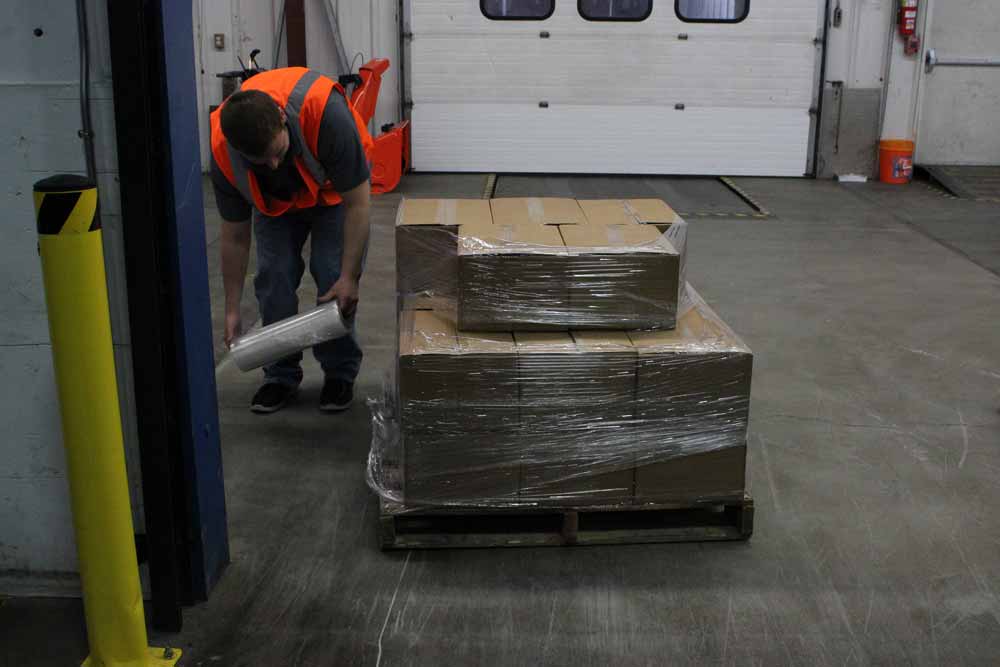
Planning for long-term storage requires careful budgeting to ensure affordability while keeping belongings safe. The cost of storage units for long-term use varies based on several factors, including unit size, rental duration, and additional services such as climate-controlled storage or valuation.
Pricing Factors That Affect Long-Term Storage Costs
Several factors determine the total cost of long-term storage facilities, making it important to evaluate specific needs before selecting a storage plan.
- Unit Size and Space Requirements: The cost of long-term storage depends on the size of the unit, with larger spaces costing more. Selecting the right unit size—whether a small locker for documents or a large unit for furniture and appliances—helps optimize costs while meeting storage needs.
- Valuation Coverage: Many long-term self-storage providers offer or require valuation options to cover potential damage or loss. This added cost depends on the value of stored items and the chosen coverage level.
Hidden Fees to Watch For in Long-Term Storage
Additional costs may arise depending on the policies of the storage provider. Being aware of these potential fees can prevent unexpected expenses.
- Late Payment Fees: Missing a payment deadline can lead to extra charges, which add up over time and make long-term storage more expensive.
- Access and Service Fees: Some facilities charge extra for services such as extended access hours, moving assistance, or special accommodations for large or delicate items.
- Deposit or Administrative Fees: Some providers require an initial deposit or administrative processing fee when setting up a rental agreement, which may not always be refundable.
Disclaimer: Storage pricing and valuation coverage varies by location, provider, and service offerings. To ensure fair and transparent pricing, it is recommended to check with trusted companies like Clancy Relocation & Logistics for detailed cost breakdowns
Choosing a Reputable Storage Provider in Connecticut
Finding a reliable storage provider in CT, is essential for protecting belongings and ensuring a stress-free storage experience. With many options available, selecting a trustworthy facility that meets specific needs, whether for long-term storage, residential use, or business long-term storage, is important.
Research Customer Reviews and Ratings
A company’s reputation provides valuable insight into the quality of its long-term storage facilities and services. Reading reviews and ratings helps determine how well a provider maintains security, customer service, and overall reliability.
- Customer Feedback: Online reviews and testimonials offer first-hand experiences from past customers, helping to assess service quality.
- Industry Ratings: Checking industry ratings on platforms like the Better Business Bureau (BBB) helps assess a company’s credibility. In 2023, BBB.org received 1.5 million inquiries about moving companies, with 5,918 complaints filed, underscoring the need for a well-rated long-term storage facility to ensure reliability and quality service.
- Word-of-Mouth Recommendations: Asking friends, family, or colleagues about their experiences can help find trusted storage units for long-term use.
Tour the Facility for Security and Cleanliness
A well-maintained facility reflects the provider’s commitment to keeping stored belongings safe and in good condition. Before committing to a long-term self-storage rental, it is important to visit or request a virtual tour to assess security measures and cleanliness.
- Security Systems: Facilities should have surveillance cameras, gated access, and secure storage units to protect against unauthorized entry.
- Cleanliness and Maintenance: A professional storage provider ensures that storage areas are pest-free, well-lit, and regularly maintained.
- Accessibility and Convenience: Well-designed long-term storage facilities should offer easy access, allowing customers to retrieve items when needed.
Verify Policies and Rental Agreements
Understanding the terms of a storage rental agreement prevents unexpected fees and service issues. A reputable storage provider should be transparent about costs, rental durations, and any additional services offered. Policies vary so it’s best to connect with providers like Clancy Relocation & Logistics for a more accurate picture.
- Clear Pricing Structure: Customers should receive a detailed breakdown of costs, including rental fees, climate-control options, and additional security features.
- Flexible Contract Terms: Providers offering storage units for long-term use should have flexible plans for both short-term and long-term needs.
- Valuation and Coverage: Checking whether the provider offers valuation or recommends coverage ensures financial protection for stored belongings.
Preparing Items for Long-Term Storage
Storing belongings for an extended period requires careful preparation to prevent damage and ensure easy retrieval. Whether using long-term storage facilities for personal or business long-term storage, proper packing and organization are essential.
Proper Packing Methods for Long-Term Protection
Packing correctly helps prevent wear and tear on stored belongings. Using high-quality materials and the right techniques can make a significant difference in maintaining item integrity while in storage units for long-term use.
- Durable Boxes and Containers: Sturdy, sealed containers provide better protection than cardboard boxes, reducing the risk of crushing, pests, or moisture exposure.
- Protective Wrapping: Bubble wrap, packing paper, and foam sheets add cushioning to fragile items, preventing cracks, chips, or scratches over time.
- Furniture Covers and Padding: Using covers for furniture, mattresses, and upholstered items helps protect against dust, dirt, and potential fabric deterioration.
- Vacuum-Sealed Bags for Fabrics: Clothes, blankets, and other textiles should be stored in vacuum-sealed bags to prevent mold, mildew, and odors.
- Stacking Items Properly: Heavier items should be placed at the bottom of stacks, while fragile belongings should be positioned on top to avoid pressure damage.
Labeling and Organization for Easy Access
Even in long-term self-storage, there may be instances where access to stored belongings is necessary. A well-organized storage unit makes it easier to locate and retrieve items without unnecessary hassle.
- Clear and Consistent Labeling: Each box or container should have clear labels that include a brief description of the contents and the room it belongs to.
- Inventory List: Keeping a detailed list of stored items helps track what is inside the unit, making retrieval simpler when needed.
- Categorized Placement: Grouping similar items together, such as seasonal decorations, business documents, or household furniture, makes organization more efficient.
- Accessible Arrangement: Items that may be needed occasionally should be stored near the front, while those intended for long-term storage should be placed toward the back.
- Shelving and Storage Racks: Using shelves or storage racks helps maximize space and prevent damage caused by stacking heavy boxes on top of one another.
Preventing Moisture and Pest Issues
Long-term storage facilities provide secure environments, but taking additional precautions can help protect belongings from moisture, pests, and environmental damage.
- Silica Gel or Moisture Absorbers: Placing moisture absorbers inside boxes helps prevent dampness and mildew buildup, especially in humid climates.
- Pest-Resistant Packing: Avoid storing food, scented items, or organic materials that may attract pests, and use sealed containers to keep insects or rodents out.
- Plastic Bins Over Cardboard: Cardboard boxes can absorb moisture and attract pests, whereas plastic bins provide better long-term protection.
- Routine Storage Unit Inspections: Checking the unit periodically ensures that items remain in good condition and that any potential issues are addressed before they worsen.
Frequently Asked Questions
What should I do before moving my stuff out of storage?
Before moving out, check your unit to ensure everything is accounted for and in good condition. Make a plan for transporting items and bring any necessary supplies like moving blankets or dollies. Give the facility proper notice as required in your rental agreement. Sweep out the unit and remove any trash before leaving. If you use a lock, take it with you to avoid unnecessary charges. Once everything is moved out, confirm with the facility that your account is closed.
Can I store furniture without covering it?
Technically, you can, but it’s not recommended. Dust, moisture, and potential pests can damage uncovered furniture over time. Using protective covers or blankets helps prevent scratches and dirt buildup. If storing in a non-climate-controlled unit, consider using plastic covers for extra protection. Leather and wooden furniture need additional care to prevent drying out or warping.
What happens if I miss a payment?
If you miss a payment, most facilities give you a grace period before applying late fees. After a certain period of non-payment, your unit may be locked until the balance is paid. Continued missed payments could result in the facility auctioning off your items, as per their contract terms. It’s always a good idea to set up automatic payments or reminders to avoid this. If you’re struggling with payments, contact the facility to see if they offer any flexibility.
What items are not allowed in storage units?
Storage facilities typically have rules about what you can and cannot store. Hazardous materials like gasoline, propane, and fireworks are usually prohibited. Perishable items such as food, plants, and anything that attracts pests are also not allowed. Some places restrict storing weapons, illegal substances, and anything highly valuable or irreplaceable. Always check with the facility for a complete list of restricted items. If you’re unsure about something, it’s best to ask before storing it.
How do I move out of a storage unit?
Start by removing all your belongings and cleaning out the unit. Dispose of any unwanted items properly instead of leaving them behind. If you’ve used a personal lock, take it with you to prevent additional fees. Notify the facility in advance based on their required move-out notice period. Once the unit is empty, do a final walkthrough and confirm with management that your rental agreement has ended.
Find Reliable Moving and Storage Solutions in CT!
Managing a move or long-term storage needs is easier with Clancy Relocation & Logistics. Offering secure storage solutions in CT, our team provides flexible options for residential and business storage, ensuring belongings remain protected in a well-monitored facility. Whether planning a relocation or requiring extra space, Clancy Relocation & Logistics’ trusted services deliver convenience, security, and peace of mind.
Contact Clancy Relocation & Logistics in CT, today to explore tailored storage and moving solutions!