
Table of Contents
6 Downsizing Strategies for a Smooth Apartment Move
- Start Early and Make a Plan
- Take Inventory of Belongings
- Sort Items Into Categories
- Focus on Essentials and Multi-Use Items
- Digitize Where Possible
- Sell or Donate Before Packing
Make Moving Simple With Expert Support Today!
Key Takeaways✔ Begin the downsizing process early to avoid last-minute stress and stay on track with your apartment move. ✔ Listing all belongings helps identify what’s necessary and what can be let go. ✔ Categorizing items into keep, donate, sell, and toss makes decision-making more efficient. ✔ Choosing essential and multi-use items ensures smarter use of limited apartment space. ✔ Converting documents and media to digital format reduces physical clutter. ✔ Selling or donating items before packing lightens the load and supports a fresh start. |
Preparing for a move into a smaller space can feel overwhelming, especially when transitioning from a larger home to an apartment. In fact, about 64 percent of people say their recent move was the most stressful experience they’ve gone through. With limited room and storage, it’s important to sort through belongings thoughtfully before packing begins. Staying organized and making intentional choices can help simplify the moving checklist for apartment living.
Here are six smart tips to make downsizing easier before the move.
6 Downsizing Strategies for a Smooth Apartment Move
1. Start Early and Make a Plan
Downsizing before a move is easier and less stressful when there’s enough time to plan each step. Starting early allows people to sort through their belongings without pressure and gives them space to make smart decisions.
Create a Simple Downsizing Timeline
A clear timeline helps break the work into smaller, more manageable tasks over several weeks. This reduces the risk of feeling overwhelmed as the moving day gets closer.
- Set a Start Date: Choose a day to begin downsizing, ideally at least 4 to 6 weeks before the move. Starting early makes it easier to work at a steady pace rather than rushing through everything at the last minute.
- Break It Down by Week: Assign specific goals for each week to maintain steady progress. For example, Week 1 can focus on sorting through clothing, while Week 2 might be dedicated to kitchen supplies. Planning week by week not only keeps the process organized and consistent but also boosts productivity throughout the move.
- Add Small Daily Goals: Setting daily tasks, such as decluttering one drawer or shelf, helps maintain progress without needing large chunks of time each day.
Use a Moving Checklist for Apartment Prep
A checklist acts as a guide throughout the downsizing and moving process. It keeps track of what has been done and what still needs attention, which can be especially helpful when juggling multiple responsibilities.
- Write It All Down: List every area of the home, including closets, drawers, and storage units, and note what needs to be sorted in each one. This ensures nothing gets overlooked.
- Match Tasks to the Timeline: Assign each item on the checklist to a specific day or week based on the timeline created. This helps spread out the workload evenly.
- Track Progress Visually: Use a paper checklist or a digital version that allows for checking off tasks. Seeing progress can be motivating and adds a sense of control to the moving process.
Plan for What Fits in the New Space
Understanding the space available in the new apartment helps avoid bringing items that won’t be practical or won’t fit.
- Measure the New Apartment: Use a tape measure or check the apartment layout to get accurate room dimensions. This prevents bringing oversized furniture or unnecessary items.
- Visualize Each Room: Think about how each item will be used in the new space. Items that serve no clear purpose may be better left behind.
- Limit Non-Essentials: If something hasn’t been used in the last year or has no place in the new apartment, it’s likely not worth packing. Focus on keeping what adds value or function to everyday life.
2. Take Inventory of Belongings
Before any boxes are packed, it’s essential to take a full inventory of what’s currently in the home. This step lays the groundwork for smarter packing decisions and helps identify what will realistically fit into an apartment.
Begin Room by Room
Going room by room ensures that no area is overlooked, and it helps break the process into smaller, more manageable parts.
- Start With the Least-Used Areas: Begin with spaces like guest rooms, hall closets, storage bins, or garages. These areas often hold forgotten items that are rarely used and can likely be downsized.
- Work Through Daily Living Spaces: Move on to spaces that are used every day, such as the kitchen, bathroom, and bedroom. These areas contain important essentials, but they also often hide duplicates or non-essentials that can be removed.
- Use a Notebook or Inventory App: Keeping track of each room’s contents—either in a simple notebook or using a phone app—makes it easier to remember what’s been sorted and helps avoid packing things twice.
Identify Duplicates and Unused Items
Removing duplicates and rarely used belongings is a smart way to cut down on unnecessary clutter before the move.
- Spot Duplicates: Check for multiple versions of everyday items—like water bottles, towels, or chargers. Only a few of each are needed in most apartments, especially when storage space is limited.
- Recognize Unused Items: Anything that hasn’t been used in six months to a year is a strong candidate for removal. These are items that likely won’t be missed once the move is complete.
- Evaluate Sentimental Value Separately: Sentimental items such as gifts, photos, or souvenirs should be reviewed carefully. Some may be worth keeping, but others can be photographed and stored digitally to save space.
Add to the Moving Checklist for Apartment Planning
Once the inventory is complete, it becomes much easier to build a moving checklist that reflects the true needs of apartment living.
- Create a Priority List: Highlight the items that are essential for daily life and should be packed first. This makes unpacking easier and more efficient in the new space.
- Note Downsizing Opportunities: As the list grows, identify items that can be sold, donated, or recycled before the move. The fewer items packed, the smoother the moving process will be.
- Align Inventory With Floor Plan: Use a simple sketch or layout of the apartment to match furniture and other large items with their future spots. This prevents overpacking and ensures everything brought will have a place.
3. Sort Items Into Categories
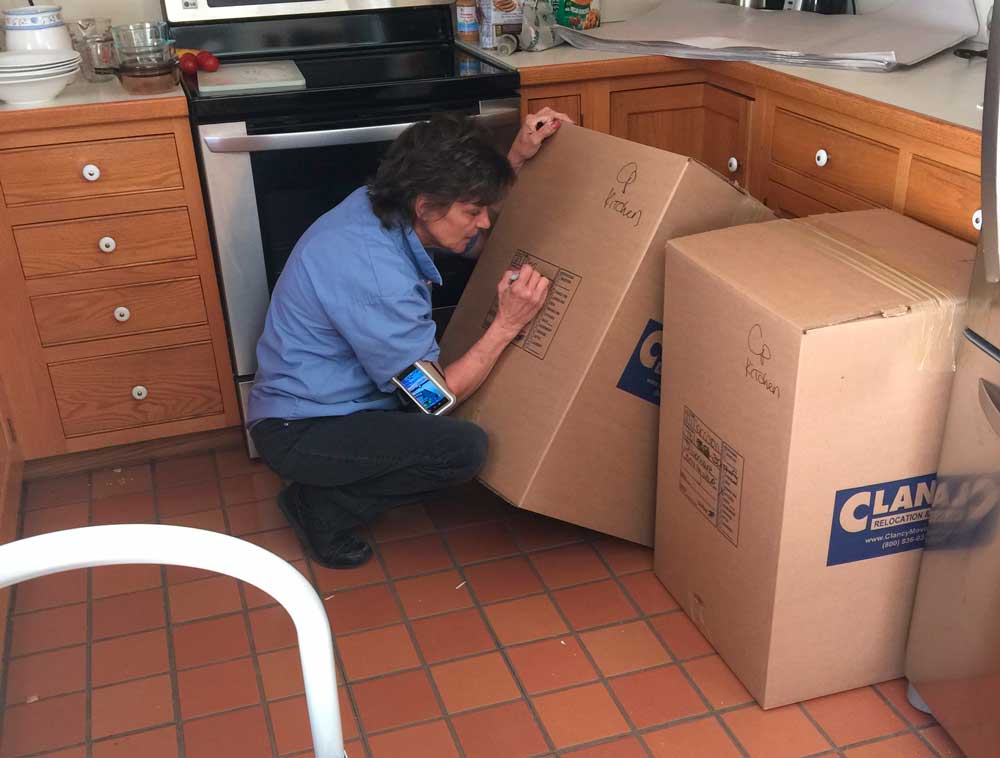
Before anything gets packed, it’s important to go through every room and decide what truly needs to make the move. Sorting belongings into clear categories can make the downsizing process easier and more organized, especially when preparing for apartment living.
Stay Realistic About Space Limitations
Moving into an apartment often means adjusting to smaller square footage. It’s important to visualize what will actually fit and function in the new living space.
- Measure Larger Items Before Deciding: Oversized furniture or bulky appliances may not suit the new layout. It’s helpful to check floor plans or measure rooms to ensure a good fit.
- Prioritize Storage-Friendly Belongings: Choose items that are easy to store or serve multiple purposes. Folding furniture, stackable containers, and compact organizers are especially practical in apartments.
Sort Efficiently Room by Room
Tackling the entire home at once can feel overwhelming. Breaking down the sorting process by area helps keep it manageable and ensures nothing is overlooked.
- Set Up Sorting Stations: Place labeled bins or boxes for each category—keep, donate, sell, toss—in each room. This makes it easy to organize items as decisions are made.
- Work in Small Time Blocks: Spending 20–30 minutes at a time sorting a single area can be more effective than trying to do everything at once. This approach also reduces stress.
- Finish One Area Before Moving On: Complete each room fully before starting the next. This builds momentum and ensures no items are skipped or forgotten.
4. Focus on Essentials and Multi-Use Items
Before packing for an apartment move, it’s important to narrow down what truly deserves space in the new home. Limited square footage means every item must earn its place. Prioritizing essential and versatile items helps create a more functional and organized living space.
Prioritize Practical and Sentimental Items
Not everything needs to make the move. When downsizing, it’s helpful to choose items that are used regularly or hold meaningful value.
- Everyday Necessities: Keep items used on a daily or weekly basis, such as cooking tools, toiletries, and work-related supplies. These are the basics that support day-to-day living and should be part of a thoughtful moving checklist apartment plan.
- Sentimental Keepsakes: Hold onto meaningful items like photo albums, heirlooms, or unique souvenirs. These personal touches help make a smaller apartment feel like home.
- Avoid “Just in Case” Items: Eliminate things that haven’t been used in the past year. These often take up space without offering real value.
Choose Dual-Purpose Furniture and Appliances
Selecting pieces that serve more than one function is key for apartment living. These items maximize space and add convenience.
- Storage Furniture: Consider beds with drawers underneath, ottomans with hidden storage, or coffee tables with shelves. These pieces provide function and hidden space, making them ideal for any moving checklist apartment scenario.
- Convertible Furniture: Look for sofas that turn into beds or tables that fold down. These are ideal for hosting guests or creating flexible spaces in smaller homes.
- Compact Appliances: Choose appliances that combine features, like microwave-toaster combos or washer-dryer units. These help reduce clutter while meeting daily needs.
5. Digitize Where Possible
Digitizing physical items is a smart strategy when downsizing for an apartment move. It reduces clutter, saves space, and helps keep important information organized. With limited storage in most apartments, converting paper files, media collections, and sentimental items into digital formats is both practical and efficient.
Convert Paper Files to Digital Copies
Paper documents can quickly pile up and take up unnecessary space. By scanning and storing them digitally, it becomes easier to organize and retrieve files when needed—without keeping bulky folders or boxes.
- Scan Important Documents: Start by scanning paperwork that may be needed after the move, such as financial records, medical forms, legal documents, warranties, and valuation policies. This ensures that essential information is backed up and always accessible.
- Use Secure Storage Platforms: Choose trusted cloud services like Google Drive, Dropbox, or OneDrive to store digital files safely. These platforms offer easy access across multiple devices and can prevent the risk of losing physical copies in transit.
- Label and Organize Files Clearly: Group documents into folders by category and use clear file names. This makes it easy to locate what’s needed without opening multiple files or folders.
Replace Physical Media With Digital Alternatives
Large collections of books, DVDs, CDs, and photos can take up more room than expected. Digital alternatives offer the same entertainment and enjoyment—without the bulk.
- Switch to Streaming Services: Instead of packing dozens of DVDs or CDs, consider using digital entertainment platforms. Services like Netflix, Spotify, Hulu, or Apple Music offer instant access to a wide variety of movies, shows, and music, without any physical storage required.
- Use E-Books and Audiobook Apps: Physical books are often difficult to part with, but switching to e-books or audiobooks is a space-saving solution. Apps like Kindle, Audible, or Libby allow for an entire personal library to be carried on one device.
- Digitize Photos and Sentimental Items: Scan old photographs, letters, and artwork to preserve memories digitally. These digital copies can be stored on hard drives, cloud platforms, or shared with family members, ensuring they’re safe and always within reach.
6. Sell or Donate Before Packing
Before the packing process begins, it’s important to sort through personal belongings and make thoughtful decisions about what to keep. For anyone following a moving checklist for apartment living, downsizing through selling or donating is a key step toward a stress-free transition.
Organize a Sale to Clear Out Extras
Selling unused or unnecessary items can help reduce clutter and generate extra cash to offset moving expenses. It also prevents overcrowding in a smaller apartment space.
- Garage Sale: A traditional garage sale is an effective way to quickly get rid of household items, clothes, books, and décor. Grouping items by type and clearly labeling prices makes it easier for buyers to browse and encourages more sales. Scheduling the sale for a weekend and advertising it through local groups or signs can increase foot traffic and success.
- Online Marketplaces: Selling through platforms like Facebook Marketplace, Craigslist, and OfferUp is convenient for larger items like furniture, electronics, and appliances. Posting clear photos, accurate dimensions, and detailed descriptions helps buyers make quick decisions and reduces back-and-forth communication.
- Community Boards or Local Apps: Apps like Nextdoor and bulletin boards at local coffee shops or grocery stores allow users to connect with nearby buyers who may be looking for used household goods. These methods are especially useful for coordinating quick pick-ups and avoiding the hassle of shipping or long-distance meetups.
Donate to Local Organizations
Donating items that are no longer needed is a practical and meaningful way to declutter before a move. It ensures that useful belongings are given a second life and benefit others in the community.
- Charities and Thrift Stores: National organizations like Goodwill and The Salvation Army accept donations of clothing, kitchen tools, books, small furniture, and more. Items should be clean and in good condition. Some locations provide tax-deductible donation receipts, which can be helpful during tax season.
- Shelters and Community Centers: Local women’s shelters, homeless shelters, and youth programs are often in need of household goods such as bedding, cookware, clothing, and toiletries. Calling ahead to check what items are currently needed ensures donations are useful and appreciated.
- Pick-Up Donation Services: For bulky or heavy items like sofas, dressers, or mattresses in good condition, some charities offer free pick-up services. This is a convenient option for those short on time or transportation. Scheduling a pick-up in advance helps keep the moving checklist for apartment tasks on track.
Frequently Asked Questions
How can I avoid breaking fragile items during the move?
Packing fragile items carefully is key. Wrap each piece in bubble wrap or packing paper, and make sure there’s enough padding between items so they don’t shift around. Place heavier items on the bottom and lighter, more delicate pieces on top. Clearly label boxes as “Fragile” so you and anyone helping you know to handle them with care.
What’s the best way to handle kitchen items when moving?
Start by sorting through your pantry and refrigerator—throw out anything expired or that you don’t want to take with you. Pack heavier items, like pots and pans, at the bottom of boxes, and use plenty of padding for breakables like glasses and plates. Pack spices and smaller items in separate bags so they don’t spill. Consider packing a “first-night” kitchen box with essentials like a few plates, utensils, and a coffee maker so you’re not digging through boxes right away.
How can I make unpacking less overwhelming?
Unpack one room at a time, starting with the essentials like your bedroom or kitchen. As you open each box, put items away rather than leaving them out. Breaking the process into smaller steps helps it feel more manageable. If you made an inventory list before the move, use it as a guide to locate what you need quickly.
How can I protect my floors and walls during the move?
Place rugs, mats, or cardboard at entryways and heavy traffic areas to prevent scuffs and scratches. Use furniture sliders or towels underneath heavy furniture to avoid marking up hardwood floors. Be careful when moving large items through doorways, and use corner protectors or blankets to cushion walls. Taking a few minutes to protect surfaces can save you time and trouble later on.
What should I keep on hand during the move?
Pack a small bag with essentials like toiletries, medications, chargers, a change of clothes, and important documents. Having these items easily accessible ensures you don’t have to dig through boxes on the first day in your new place. Keep snacks, water, and basic cleaning supplies nearby for quick cleanups and to stay energized. A simple toolkit with a screwdriver, pliers, and tape can also come in handy.
Make Moving Simple With Expert Support Today!
Managing the details of an apartment move can be overwhelming—but the right partner makes a difference. Clancy Relocation & Logistics provides trusted, professional moving services designed to ease the process from start to finish. Whether it’s downsizing, packing, or final delivery, every step is handled with care and precision.
Get in touch today to schedule a consultation and take the stress out of the move!