
Table of Contents
6 Tips for Storing Antiques Safely and Choosing the Right Storage Services
- Climate-Controlled Environment
- Clean and Pest-Free Conditions
- Security And Surveillance
- Professional Packing and Handling
- Accessibility and Organization
- Reputation And Reviews
Protect Antique Collections With Expert Care!
Key Takeaways
|

Storing antiques requires more than just placing them in a safe space—it involves careful planning, the right environment, and knowledgeable handling to preserve their condition and value. These items are often made from delicate materials and can be highly sensitive to temperature, humidity, and physical damage. Choosing the right storage services is key to ensuring long-term preservation.
Here are six best practices to look for when storing antiques.
6 Tips for Storing Antiques Safely and Choosing the Right Storage Services
1. Climate-Controlled Environment
Antique items are often crafted from organic and sensitive materials like wood, fabric, paper, leather, and metal. These materials naturally react to environmental conditions, especially temperature and humidity.
Why Stable Temperature and Humidity Levels Matter
Maintaining a consistent climate is essential for preserving antiques. Without control, seasonal changes and sudden environmental fluctuations can create conditions that speed up deterioration.
- Prevents Warping and Cracking: Wood is highly responsive to shifts in moisture and temperature. In dry conditions, it can shrink and crack. In humid settings, it may swell or warp. Consistent climate control keeps the wood’s moisture content stable, preserving its original form and preventing structural weakening.
- Protects Against Mold and Mildew: Mold and mildew thrive in damp environments and can grow quickly on fabric, leather, paper, and even wood. These fungi not only damage the item but also release unpleasant odors and cause staining. Regulated humidity prevents the air from becoming overly moist, minimizing this risk.
- Reduces Rust and Corrosion: Metals such as iron, bronze, and brass are especially vulnerable to corrosion when exposed to humid air. Climate-controlled storage services help keep metal components dry and rust-free by managing humidity within a safe range.
How Fluctuations Can Damage Wood, Fabric, and Metal
Inconsistent environmental conditions are especially harmful to antiques. As materials age, they become more fragile and less capable of adapting to changes. What may seem like minor fluctuations in climate can cause irreversible damage to older items.
- Fabric Fading and Weakening: Repeated exposure to temperature swings and humidity can cause fibers in fabrics to weaken, lose their color, and become brittle. Over time, this leads to tears, discoloration, and loss of detail in textiles such as upholstery, clothing, and tapestries.
- Wood Separation and Loosening: Antique wooden furniture and objects often feature joints held together by glue or pressure fitting. Climate instability can cause wood components to expand and contract, breaking bonds and leading to loose or detached parts.
- Metal Deterioration: Variations in humidity can trigger the oxidation process in metal, causing it to develop rust or patina. This not only affects appearance but can also eat away at fine detailing or structural integrity if not managed.
2. Clean and Pest-Free Conditions
Maintaining a clean and pest-free environment is one of the most important factors in protecting antiques while in storage. Even small amounts of dust and pest activity can lead to serious and sometimes irreversible damage.
Risks Posed by Pests
Antiques are especially vulnerable to pest damage due to the natural materials they’re often made from, such as wood, fabric, paper, and leather. Without proper pest control, even short-term exposure can lead to lasting harm.
- Insect Damage: Pests like termites, silverfish, and carpet beetles can chew through wood, cloth, and paper, leaving behind holes, fraying, and internal weakening that may not be immediately visible.
- Rodent Activity: Mice and rats can chew on wood or fabric and are known to build nests inside soft furnishings, often causing stains, odors, and physical destruction.
- Infestation Spread: Once inside a storage space, pests can multiply quickly and affect multiple items, leading to extensive restoration costs or total loss.
Risks Posed by Dust
Dust may seem harmless at first, but over time it can cause serious damage to antique items, especially those made from porous or delicate materials like fabric, wood, and paper.
- Surface Damage: Fine dust particles can settle into cracks and textured surfaces, leading to abrasion, dulling, or scratching of finishes and polish.
- Discoloration and Staining: Dust buildup on fabrics, paintings, or paper can lead to visible yellowing, fading, or permanent staining if not regularly removed or controlled.
Certifications or Guarantees a Service Might Offer
When selecting storage services, it’s helpful to ask about any certifications or policies that support a clean, protected environment. However, these guarantees vary per provider, so it’s best to contact options like Clancy Relocation & Logistics to clarify these matters.
- Environmental Certification: Certifications from environmental or facilities management organizations show that the provider meets established cleanliness and air-quality standards.
- Pest-Free Guarantees: Some providers offer written guarantees against pest-related damage. This shows a strong commitment to maintaining a controlled and clean environment.
- Inspection Logs and Transparency: Facilities that maintain visible logs of inspections and maintenance activities demonstrate their accountability. Clients may be allowed to review these logs for added reassurance.
3. Security And Surveillance
When it comes to storing antiques, security is not just a feature—it’s a necessity. Valuable and often irreplaceable, antiques require protection from theft, damage, and unauthorized handling.
Why 24/7 Monitoring And Controlled Access are Crucial
A secure facility is one that never sleeps. Storage services that offer constant monitoring reduce risks significantly by maintaining active oversight at all times. Controlled access further ensures that only trusted individuals can enter the premises.
- 24/7 Video Surveillance: Continuous video monitoring allows facilities to record every corner of the property, day and night. This helps deter criminal activity and provides visual evidence in case of any incidents.
- Access Control Systems: Multiple access control systems limit entry to authorized personnel only. This prevents strangers or unapproved individuals from entering the property or individual units.
Valuation And Risk Protection
Even with the best security measures in place, accidents and natural events can still occur. Valuation is an essential layer of protection that helps mitigate financial loss if something goes wrong. However, coverage options and policies can vary between providers, so it’s recommended to consult reputable companies like Clancy Relocation & Logistics for accurate information and reliable guidance on pricing and protection plans.
- Offered Valuation Policies: Many facilities offer in-house valuation plans or connect clients with specialized insurers who cover fine art and antique storage.
- Custom Valuation Coverage: For rare or high-value antiques, it’s important to secure a policy based on the item’s appraised value, not just a general estimate.
- Proof Of Coverage Requirements: Some storage services require proof of valuation before accepting items into storage. This ensures both the customer and the provider are covered in case of damage, fire, or theft.
4. Professional Packing and Handling
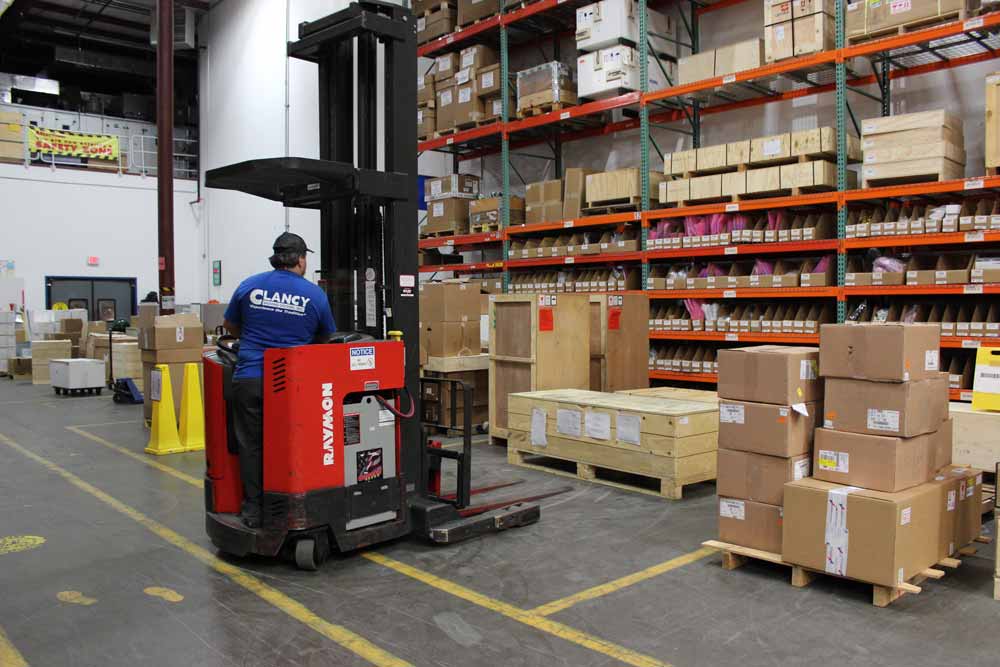
Storing antiques safely is not just about finding space—it’s about protecting delicate and often irreplaceable items with care. This is where expert packing and handling become essential.
How Trained Staff Impacts the Process
Trained staff play a vital role in protecting antiques from damage. Their experience ensures each item is treated with care and attention to detail.
- Knowledge of Materials: Trained professionals are familiar with how different antique materials—such as aged wood, ivory, ceramic, or vintage textiles—can react to touch, movement, and pressure. They know how to handle each one properly.
- Specialized Handling Techniques: Staff use safe lifting, padding, and carrying methods to reduce the risk of scratches, breakage, or structural strain. They also avoid unnecessary contact with delicate finishes or fabrics.
- Damage Prevention: With proper techniques, trained personnel help avoid accidental drops, bending, or surface wear—preserving the condition and value of the antiques for the long term.
Recommended Packing Materials And Techniques
The right packing materials and methods are key to preventing damage during transport and while in storage. Reputable storage services will either use or recommend proper materials that suit each type of item. It’s best to contact providers like Clancy Relocation & Logistics to confirm availability of these materials.
- Acid-Free Paper: Ideal for wrapping fragile or aging items like books, textiles, artwork, or metal pieces, acid-free tissue acts as a neutral layer that helps prevent discoloration, surface damage, and corrosion.
- Bubble Wrap and Foam Padding: These materials cushion breakable items, such as glassware, fine china, or ornate wood carvings, keeping them safe from shocks or bumps.
- Custom Crates and Boxes: Custom-built containers fit the specific size and shape of each item, reducing shifting during transport and offering better stability. This is especially important for unusually shaped or large pieces.
- Furniture Covers: These are made from soft, breathable materials and are used to protect antique furniture from dust, light exposure, and humidity without trapping moisture inside.
Availability Of Assistance Or In-House Services
Some storage services go beyond providing a place to store antiques. They offer extra support that makes it easier for collectors and owners to properly manage their items. Options vary so it’s best to confirm these services to the storage company.
- On-Site Packing Support: Many facilities provide trained staff who can help with wrapping and boxing items right at the storage location. This ensures items are stored safely from the beginning.
- Pickup and Delivery Services: Some storage providers offer transportation services. This is especially helpful for large or heavy antiques that need special care when being moved.
- Consultation Services: Expert teams may provide advice on how to best pack or store specific antiques. They may inspect the item and recommend the most protective method or materials based on its condition and type.
5. Accessibility and Organization
Storing antiques should not come at the cost of convenience or proper care. A reliable storage service not only protects valuable pieces but also makes it easy to locate, access, and manage them when needed.
Ease of Access and Item Retrieval
Storage services should offer straightforward, dependable access to stored antiques. This ensures that owners or caretakers can inspect, rotate, or retrieve items without disruption or unnecessary delays.
- On-Site Assistance: Trained personnel who are familiar with handling fragile or valuable items can assist in locating, retrieving, or moving antiques, helping reduce the risk of accidental damage.
- Clear Navigation and Unit Layouts: Organized aisles, clearly marked unit numbers, and logical layout design help users find their storage units and contents quickly without confusion or backtracking.
Custom Storage Features for Antiques
Antiques often require non-standard storage solutions due to their unique sizes, shapes, and materials. The right setup helps prevent damage from improper stacking, cramped spaces, or unsuitable surfaces. Communicating with trusted providers like Clancy Relocation & Logistics can help clarify the availability of these features.
- Custom Shelving Units: Storage services that offer padded or adjustable shelving units can accommodate different types of antiques, from delicate porcelain to heavy wooden furniture, without compromising their condition.
- Vertical Storage for Artwork and Mirrors: Flat artworks and mirrors should be stored upright using padded supports to avoid pressure cracks, warping, or frame separation. Vertical storage also makes these items easier to sort and access.
- Individual Wrapping and Staging Areas: Designated zones for unpacking, inspecting, and rewrapping antiques allow for safer handling before and after items are moved. These areas reduce the risk of damage caused by rushing or poor lighting conditions.
6. Reputation And Reviews
Choosing a trusted company for antique storage isn’t just about the features they offer. A provider’s reputation often says more than any brochure can. Before selecting storage services, it’s smart to look at what others have experienced.
Key Things to Look For
Customer feedback offers valuable insight into how a company actually treats and stores antiques. It helps paint a real-world picture of their service quality, reliability, and professionalism.
- Long-Term Customer Satisfaction: Reviews from customers who have used the service for years can reveal how consistent the provider is in handling delicate and valuable items.
- Handling Claims And Issues: Look for reviews that mention how the company responded to any damage or concerns. A responsive and respectful team is key when storing irreplaceable items.
- Ease Of Communication: Pay attention to how well staff communicate with customers. Clear communication is a good sign of well-managed storage services.
Online Reviews, Testimonials, And Accreditations
Online platforms often hold a wealth of honest opinions. Pair those with professional endorsements to get a clearer sense of who can be trusted.
- Google And Yelp Reviews: These sites usually include a mix of ratings and detailed comments. Focus on those mentioning antique storage specifically.
- Video Or Written Testimonials: Some companies share real customer stories on their websites or social media. These can offer deeper insight into the client experience.
- Industry Certifications Or Memberships: Look for accreditations from organizations related to storage or antiques, such as the American Alliance of Museums or the Self Storage Association. These can be signs of proper training and ethical practices.
Experience In Handling Antiques Specifically
General storage services may not always offer the level of care antiques require. Companies that regularly deal with antique items are more likely to understand the importance of proper handling and protection.
- Specialized Knowledge: A storage provider with experience in antiques often understands how to store items like vintage furniture, artwork, or heirlooms properly.
- Custom Solutions For Fragile Items: These companies may offer padded shelves, custom crates, or extra climate controls for delicate pieces.
- References On Request: Trustworthy providers with antique experience are usually willing to share past client references or project examples.
Frequently Asked Questions
Can improper handling during storage lead to antique devaluation?
Yes, improper handling such as dragging, stacking, or lifting from weak points can cause scratches, fractures, or even complete breakage. Many antiques are delicate and structurally different from modern items, requiring specific handling techniques. Damage caused during handling often results in visible defects that lower resale and appraisal value. Even seemingly small mistakes can compromise the integrity of a piece.
What are the risks of improper antique storage?
Improper storage can lead to irreversible damage such as cracking, warping, fading, or mold growth. Temperature swings and humidity can degrade materials like wood, leather, or fabric. Metal antiques may corrode, while paper-based items might become brittle or discolored. Pests such as rodents or insects can also infest and chew through delicate pieces.
How should I prepare antiques for long-term storage?
Preparing antiques for long-term storage starts with a detailed cleaning using appropriate materials. Once clean, wrap each item in protective materials suited to its composition, like cotton sheets or bubble wrap. Ensure items are properly labeled and documented, including photos for valuation purposes. Store items off the floor and avoid stacking heavy objects on top. Finally, check items periodically to ensure they remain in good condition.
Are there financial consequences of storing antiques incorrectly?
Yes, poorly stored antiques can lose substantial monetary value due to damage, staining, or deterioration. Restoration costs can be high, and some pieces may become unsellable if irreparably harmed. Valuation may not cover losses caused by negligence or improper storage. Long-term value depends heavily on condition, which directly links to how well items are stored.
What are common mistakes people make when storing antiques?
Common mistakes include using plastic wrap, stacking heavy items, storing in damp basements, or forgetting to document the items. Many people also underestimate the importance of climate control or assume valuation isn’t necessary. Others fail to inspect the unit regularly, allowing damage to go unnoticed. Using poor-quality packing materials can also lead to surface damage or exposure.
Protect Antique Collections With Expert Care!
Clancy Relocation & Logistics specializes in secure, professional storage services tailored to the needs of antique items. Our facilities are equipped to safeguard delicate valuables through climate control, proper handling, and trusted security measures. With a long-standing reputation and experience in managing antique collections, we offer peace of mind and dependable service for collectors and curators alike.
Contact Clancy Relocation & Logistics today to explore custom storage solutions!