
Table of Contents
6 Essential Hacks for Your Moving Packing Checklist
- Create a Master Packing Checklist Early
- Declutter Before Packing
- Pack by Room and Label Clearly
- Keep a “Moving Essentials” Box
- Consider Professional Packing to Save Time and Sanity
- Double-Check and Cross Off
Make the Apartment Move Easier With Professional Packing Help!
Key Takeaways✔ Create structure and reduce stress by starting with a packing checklist early. ✔ Declutter first to simplify packing and avoid bringing unnecessary items. ✔ Pack by room and label clearly to stay organized and unpack efficiently. ✔ Keep essentials in a separate box to access important items immediately. ✔ Set daily packing goals to stay on track and avoid the last-minute rush. ✔ Double-check and cross off items to prevent forgetfulness and ensure readiness. |
Packing for an apartment move can feel like a high-stress juggling act—especially when you’re short on space, time, and patience. While a well-crafted packing checklist can bring order to the chaos and help you tackle tasks step by step, sometimes the most efficient and stress-free route is to call in the experts. Whether you’re a hands-on planner or someone ready to delegate, having a clear system—or trusted help—can make all the difference.
Here are six practical hacks to stay tidy and organized throughout the apartment packing process.
6 Essential Hacks for Your Moving Packing Checklist
1. Create a Master Packing Checklist Early
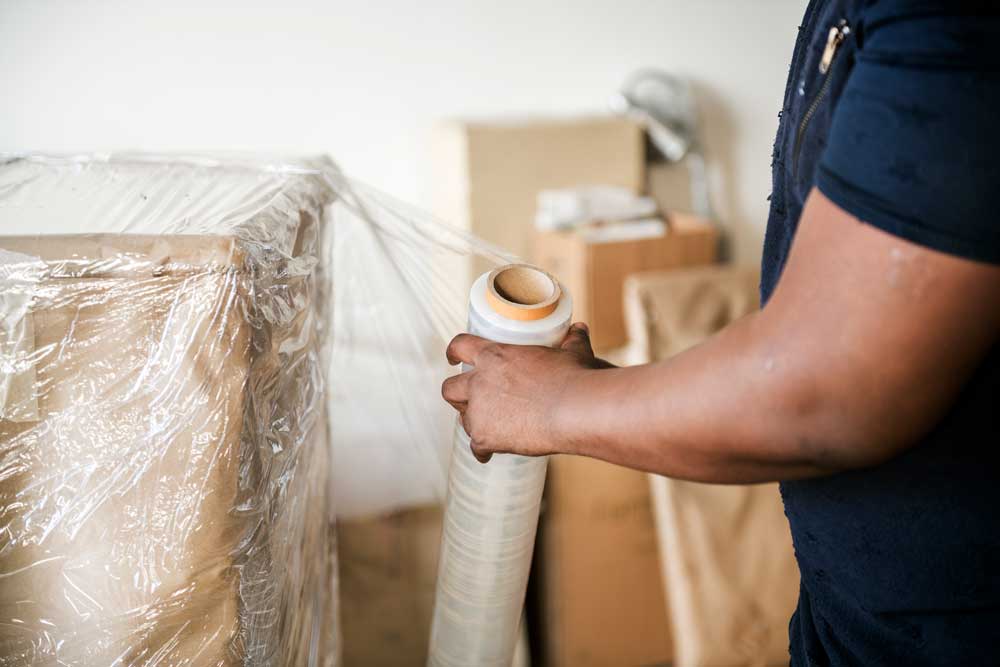
Getting organized from the start is one of the most effective ways to reduce stress during a move. Having a well-structured packing checklist for moving apartments helps ensure nothing gets overlooked and that every step is handled on time. If planning isn’t your strong suit, Clancy Relocation & Logistics can help you kickstart your checklist with expert consultation and tailored move planning—perfect for turning overwhelm into action.
Start 3–4 Weeks Before Moving Day
Early planning provides the space to think through the move logically, without the pressure of looming deadlines. It also allows time to handle tasks like decluttering and buying supplies.
- Build a Timeline: Creating a packing schedule at least three to four weeks ahead of moving day helps to spread out tasks and reduce overwhelm. This is a crucial part of any step-by-step packing guide for apartments.
- Set Weekly Goals: Assign tasks to each week—for example, decluttering in week one, packing non-essentials in week two, and finishing high-traffic areas in week three.
Choose a Checklist Format That Works Best
Using the right format for the checklist helps keep the move tidy and organized from start to finish. The format should suit the person’s habits and make tracking progress easy.
- Digital Checklists: Digital tools such as packing apps, spreadsheets, or mobile notes allow for flexible, on-the-go updates. These are ideal for those looking for the best way to pack for an apartment move using smart tools.
- Printable Templates: A printed apartment moving packing list can be physically marked off and displayed in a visible area for daily reference. It provides a quick overview of progress and remaining tasks.
Organize by Category
A strong checklist isn’t just a list—it’s a structured plan. Categorizing items ensures that nothing is missed and that packing happens in a logical, tidy way.
- Essentials: List must-have items such as ID, important documents, medications, basic toiletries, and a few sets of clothes. These items should be packed last but noted first.
- Room-by-Room Sections: Divide the list by room—bedroom, kitchen, living area, bathroom, and storage—to make packing more manageable and systematic.
- Packing Supplies: Don’t forget to include packing materials such as boxes, bubble wrap, tape, scissors, and permanent markers. These are the tools that make the process smoother and cleaner.
Add Personal Reminders and Flexibility
Every move is different. The checklist should be treated as a living document that can be adjusted based on individual needs or changes in the plan.
- Include Appointment Notes: Add reminders to book movers, notify utility companies, and schedule cleaning services. These small tasks are just as important as packing boxes.
- Leave Room for Edits: As new tasks come up or plans change, update the checklist regularly to stay on top of everything without feeling overwhelmed. This flexible approach is key to following the best way to pack for an apartment move.
2. Declutter Before Packing
Getting rid of excess belongings is one of the most important early steps in any step-by-step packing guide for apartments. It clears physical space, lightens the load, and makes the entire process more efficient, from packing to settling into your new place. If you’re feeling overwhelmed by how much there is to sort through, Clancy Relocation & Logistics can step in with hands-on support—whether that means helping you downsize thoughtfully or professionally packing what matters most.
Why Decluttering Matters Before a Move
Clearing out unnecessary items before packing not only streamlines the move but also leads to a more precise packing checklist for moving apartments. Focusing on essentials minimizes the workload and cuts down on moving expenses. Studies have found that organized, clutter-free spaces help improve focus, reduce irritability, and enhance productivity, making both the packing process and the transition smoother overall.
- Sort Items by Category: Divide belongings into four clear groups—keep, donate, toss, and sell. This makes decision-making easier and eliminates guesswork.
- Reduce Packing Time and Supplies: Fewer items mean fewer boxes, less tape, and less stress. This streamlines the process and keeps the apartment tidy throughout.
- Lighten the Moving Load: Letting go of non-essential items helps reduce the physical and financial weight of the move, especially for long-distance relocations.
- Refine the Checklist: Once items are sorted, the apartment moving packing list becomes more accurate and easier to follow. It eliminates unnecessary clutter and ensures no important item is overlooked.
- Make Room for What Matters: Keeping only what’s useful or meaningful makes unpacking and settling into the new apartment faster and more intentional.
3. Pack by Room and Label Clearly
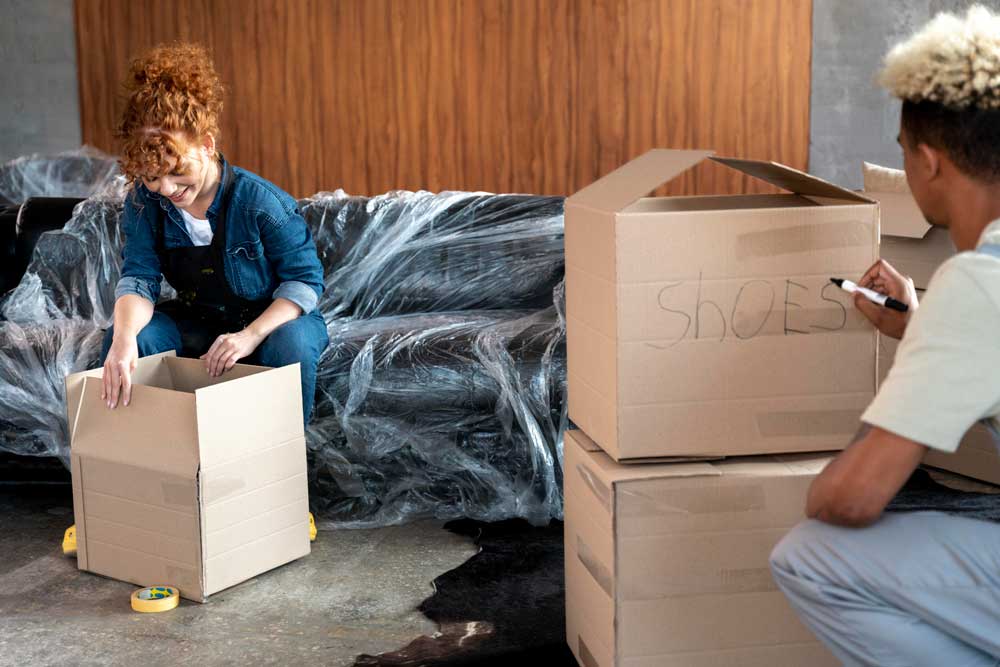
Packing one room at a time is one of the easiest ways to stay organized during a move. It keeps the process manageable, minimizes stress, and helps ensure nothing is overlooked. Many professional movers, like Clancy Relocation & Logistics, follow this method to keep moves efficient and well-structured, especially when handling packing services for clients.
Focus on One Room at a Time
Packing by room is the best way to pack for an apartment move because it brings clarity and structure to an otherwise hectic task.
- Break It Down Room-by-Room: Focus on one space—like the kitchen or bedroom—before moving on to the next. This keeps packing manageable and prevents mixing up items from different rooms.
- Assign Deadlines Per Room: Allocate time for each room based on the number of items. For example, give two days to the living room and one day to the bathroom, depending on how much there is to sort and pack.
- Update the Checklist: Use an apartment moving packing list to mark completed rooms. Keeping track of progress helps maintain motivation and organization.
Use Color-Coded or Numbered Boxes
An organized box system simplifies both the moving and unpacking process. It also makes the step-by-step packing guide for apartments more effective when everything is clearly sorted.
- Color Codes for Quick ID: Use colored tape, stickers, or markers to assign each box to a specific room (e.g., blue for the kitchen, red for the bedroom). Since colored objects are more easily perceived, remembered, and associated with identical shapes in the same color, this method helps ensure boxes are correctly placed upon arrival.
- Number Boxes to Match Checklist: Assign each box a number that matches a section of the essential packing checklist for moving. For instance, “Kitchen Box #1 – Plates, Cups” matches a corresponding note in the checklist.
- Create a Master Legend: Keep a written or digital reference list that explains the color or number system. This provides clarity for anyone helping with the move.
Label Contents and Destination Rooms Clearly
Proper labeling ensures nothing gets lost or misplaced, and it saves time when unpacking.
- List Key Contents: Write the main items inside the box on the outside (e.g., “Sheets, Pillowcases, Towels”). This helps quickly identify needed items without opening multiple boxes.
- Include Destination Room: Every box should note where it belongs in the new apartment—“Bedroom,” “Kitchen,” or “Bathroom.” This aligns with the packing checklist for moving apartments and avoids confusion during move-in.
- Use Large, Legible Labels: Choose bold, waterproof markers or pre-printed labels. Clear visibility prevents issues in fast-moving environments, especially when multiple helpers or movers are involved.
4. Keep a “Moving Essentials” Box
The first 24 hours in a new apartment can be chaotic—so it’s crucial to have your must-haves close at hand. Clancy Relocation & Logistics suggests setting aside a clearly labeled “Day One” box with items you’ll need right away, even if the rest of your move is fully packed and managed for you.
The essentials box ensures that the most important items are immediately accessible upon arrival at the new apartment. Instead of tearing open random boxes, everything needed to get through the first 24–48 hours is in one place.
What To Include in a First-Day Essentials Box
These are the high-priority items everyone needs right away. They should be the first things packed and the last to be loaded into the moving truck:
- Toiletries and Personal Care: Include toothpaste, toothbrush, deodorant, shampoo, body wash, toilet paper, hand soap, and a towel for each person.
- Chargers and Electronics: Phone and laptop chargers, power banks, extension cords, and any adapters used daily.
- Change of Clothes: Comfortable clothing, sleepwear, and undergarments for the first night and the next day.
- Important Documents and Keys: Lease paperwork, ID cards, moving contracts, and keys to both the old and new apartments.
- Basic Kitchen Supplies: One or two plates, cups, utensils, a bottle opener, snacks, bottled water, and instant meals or takeout menus.
- Medications and First Aid: Prescriptions, allergy meds, bandages, and any essential over-the-counter items.
- Cleaning Wipes or Spray: Quick-clean supplies to wipe down surfaces before settling in.
5. Consider Professional Packing to Save Time and Sanity
When you’re short on time or managing a busy schedule, packing can feel like too much. Professional movers like Clancy Relocation & Logistics can take the load off by handling everything from boxing to labeling.
Whether it’s a few rooms or the whole apartment, their team packs efficiently and securely — so you can stay focused on the move, not the mess. It’s a smart, stress-saving option when time and energy are in short supply.
Why It’s Worth Considering
Professional packing isn’t just about convenience—it’s about moving smarter. When time is tight or the to-do list is long, letting experts step in can make the entire process smoother from start to finish.
- Saves Hours (or Days): Moving companies’ trained crew packs quickly and efficiently, often completing in a day what could take you several. That means less time surrounded by half-packed boxes and more time focused on the move itself.
- Reduces Stress: Forget sourcing boxes, buying tape, or figuring out where to start. Moving companies like Clancy Relocation & Logistics bring all the necessary materials and follow a proven system to pack with order and speed — so you don’t have to overthink it.
- Protects Your Belongings: From fragile kitchenware to bulky furniture, everything is packed using high-quality materials and professional techniques that reduce the risk of damage during transport.
- Flexible Options: You don’t have to go all-in—moving services like Clancy Relocation & Logistics offer customizable packing services, whether you just want help with a few tricky areas or prefer to have everything handled from top to bottom.
6. Double-Check and Cross Off
As the moving day nears, take time for one last walk-through. Even with a solid checklist, it’s easy to miss small items or hidden spots. Movers like Clancy Relocation & Logistics recommend doing this final sweep a day or two before the move to ensure everything is packed, labeled, and ready to go, avoiding last-minute surprises.
Perform a Full Apartment Walk-Through
A slow, thoughtful walk-through is key to ensuring that nothing is forgotten. This is one of the most effective ways to catch missed items and finalize your apartment moving packing list.
- Bedroom Check: Inspect under beds, behind furniture, and in closets. Small items like chargers, earrings, and books often get left behind in these hidden areas.
- Bathroom Sweep: Look in drawers, medicine cabinets, and the shower. Toiletries, razors, and skincare products are commonly missed during initial packing.
- Kitchen Review: Open every cupboard, drawer, and appliance. Perishables, cooking utensils, and cleaning supplies may still be sitting in hard-to-see spaces.
- Living Room Review: Check behind entertainment units, inside couch cushions, and remove artwork or wall fixtures. Electronic accessories like remotes and HDMI cables are often left behind.
Use the Checklist to Cross Off Items Room by Room
Even the most efficient packing process can become disorganized without careful tracking. A reliable essential packing checklist for moving helps ensure everything is on schedule.
- Match Packed Items to the List: Carefully compare what’s been packed to what’s listed on the essential packing checklist for moving. This confirms that no item is left out.
- Physically Mark Completed Items: Use a pen, highlighter, or app to cross off items once they are fully packed or accounted for. This creates a visible sense of progress.
- Note Any Last-Minute Additions: If anything was packed that wasn’t on the list, add it now to avoid confusion later during unpacking.
Organize Boxes and Clear Pathways
Good organization doesn’t stop when the last box is taped shut. Arranging the space to support a smooth exit is part of the best way to pack for an apartment move.
- Group Boxes by Room or Priority: Stack boxes by where they belong (kitchen, bedroom, etc.) or label them with priority levels (unpack first, fragile, etc.). This helps movers—and the checklist—stay organized.
- Remove Clutter From Hallways and Doors: A clean, open space helps prevent accidents and speeds up the loading process. It also ensures nothing gets left behind in hard-to-reach areas.
Frequently Asked Questions
How do I pack fragile items safely?
Wrap fragile items individually using bubble wrap, packing paper, or soft cloth. Use sturdy boxes and place heavier items at the bottom with lighter ones on top. Fill empty spaces with padding materials like crumpled paper or foam peanuts to prevent shifting. Label the boxes as “fragile” on all sides for visibility. Avoid overpacking to reduce the risk of breakage during transit.
What’s the most efficient way to pack clothes?
Use wardrobe boxes for hanging clothes to keep them wrinkle-free. Fold and pack other clothing in suitcases, duffel bags, or vacuum-seal bags to save space. Sort clothing by season or type to make unpacking easier. Consider donating items you haven’t worn in a year. Label containers clearly so you can find essentials quickly upon arrival.
How do I pack electronics properly?
Whenever possible, pack electronics in their original boxes with the original padding. If that’s not available, use sturdy boxes, bubble wrap, and anti-static packing materials. Remove batteries, cables, and accessories, and pack them separately but label everything. Take photos of cable setups to make reassembly easier. Avoid storing electronics in extreme temperatures or under heavy items.
What should I not pack with movers?
Avoid packing hazardous materials like paint, propane, or cleaning chemicals. Perishable food items, plants, and personal valuables like cash or jewelry should also stay with you. Important documents, medications, and irreplaceable items are best kept in a personal bag. Check with your moving company for a complete list of restricted items.
Is it worth hiring professional packers?
If you’re short on time or overwhelmed, professional packers like Clancy Relocation & Logistics can be a worthwhile investment. They are trained to pack efficiently and securely, which reduces the risk of damage. While it costs more, it saves you time and stress, especially for large or last-minute moves. You can opt for full-service packing or just for fragile items.
Make the Apartment Move Easier With Professional Packing Help!
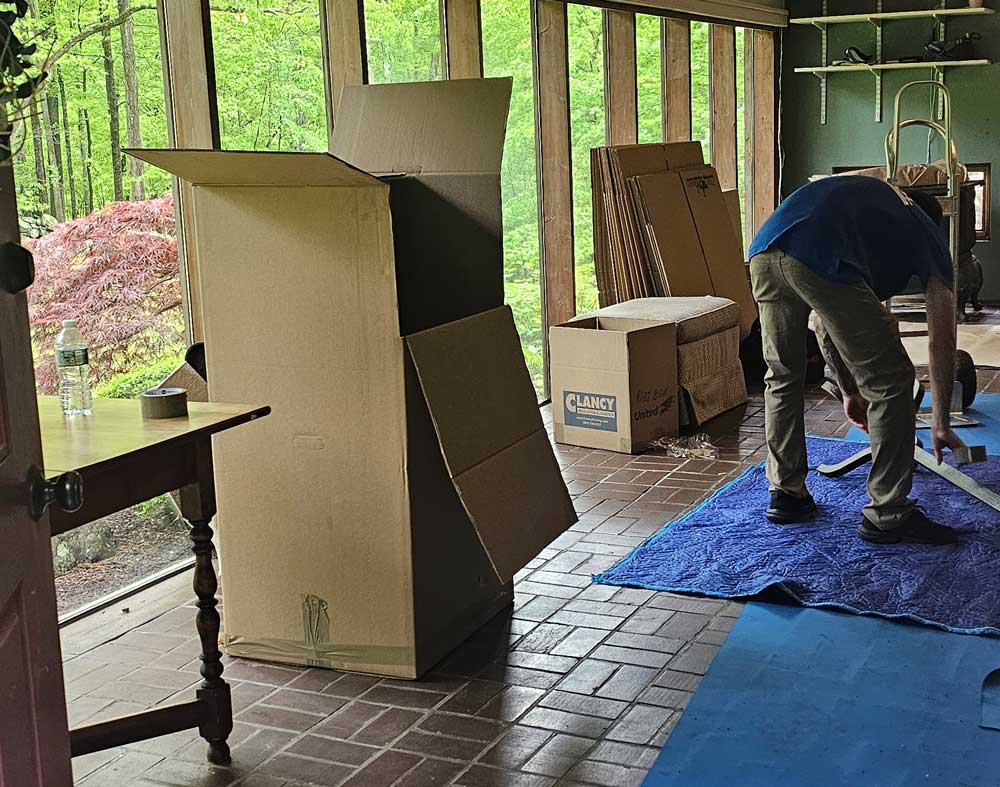
Navigating an apartment move becomes far more manageable with professional guidance and logistical support. Clancy Relocation & Logistics offers organized, efficient packing solutions tailored for apartment moves, ensuring every box, checklist, and detail is handled with care. With decades of experience and trusted service, our team takes the stress out of packing, so every step of the transition runs smoothly.
Get in touch with Clancy Relocation & Logistics today to request a personalized moving quote!