Table of Contents
8 Essential Tips for First-Time Storage Unit Renters
- Evaluate Storage Unit Size
- Compare Facility Features and Environment
- Consider Location and Access
- Ask About Valuation and Payment Flexibility
- Research and Compare Providers
- Select the Right Facility and Reserve a Unit
- Pack and Prepare Belongings for Storage
- Move-In With Care and Maintain the Unit
Pros and Cons of Renting A Storage Unit for Long-Term Storage
Secure the Right Storage Solution With Clancy Relocation & Logistics!
Key Takeaways✔ Choose a unit size that fits current needs without overpaying for unused space. ✔ Look for facilities with climate control, security, and cleanliness that protect stored items. ✔ Select a location that offers convenient access based on how often the unit will be visited. ✔ Verify if the facility offers valuation and flexible payment options to avoid unexpected costs. ✔ Check reviews and pricing from multiple providers to ensure reliable service and fair rates. ✔ Reserve the unit early after confirming size, features, and availability. ✔ Use quality packing materials and label boxes to protect items and stay organized. ✔ Keep walkways clear, visit occasionally, and monitor conditions to preserve stored belongings. |
Renting long-term storage is a practical solution for anyone needing extra space for seasonal items, business inventory, or belongings during life transitions like moving or downsizing. With so many unit sizes, features, and pricing options available, it’s important to understand how to choose the right facility, prepare belongings, and manage costs effectively.
Here are the essential steps every first-time renter should know when securing long-term storage facilities.
8 Essential Tips for First-Time Storage Unit Renters

Storing items for months or years calls for a thoughtful approach. Instead of relying on limited home space, choosing from reliable long-term storage facilities can offer security, convenience, and protection for belongings that matter.
1. Evaluate Storage Unit Size
Long-term storage planning starts with understanding how much space is actually needed.
- Inventory Everything: Create a detailed list of what needs storing, including furniture, boxes, and seasonal or recreational equipment. A full inventory helps estimate the right unit size and avoid overpaying for unused space at long-term storage facilities.
- Match Unit Size to Needs: Smaller units work for personal documents or small boxes, while larger units can fit full household items. Using online size guides or speaking with a facility rep can help identify the right unit.
- Account for Future Additions: If the plan includes adding more items later, select a unit that leaves room for growth. This saves time and hassle in upgrading later at extended storage rental services.
2. Compare Facility Features and Environment
Every storage facility is different. Some offer basic amenities, while others include climate protection and enhanced accessibility.
- Climate-Controlled Storage: These units regulate temperature and humidity consistently, helping prevent damage such as warping, rust, or mold in sensitive items like wood furniture, electronics, and paper-based materials. For example, extreme heat can degrade or slow down electronics, making long-term storage facilities with climate control a smart choice for long-duration storage.
- Drive-Up Access Units: These make loading and unloading faster, especially for heavy or bulky items like appliances and furniture. Choosing safe long-term storage options with drive-up access is ideal for frequent movers or business storage.
- Cleanliness and Maintenance: A clean facility is essential for preventing pests, moisture, or dust buildup over time. Ask how often the property is cleaned and inspected when touring long-term storage facilities.
3. Consider Location and Access
The facility’s location and how often items need to be accessed can influence the final decision.
- Proximity to Home or Office: A nearby unit makes it easier to access belongings regularly or unexpectedly. Searching for the best long-term storage near me helps find the most convenient options.
- Access Hours: Some facilities offer 24/7 access, while others have limited gate hours. Extended access is useful for travelers or those storing business materials in long-term storage facilities.
- Security Features: Look for features like video surveillance, well-lit areas, and on-site management. These features are critical for choosing safe long-term storage options where frequent check-ins aren’t possible.
4. Ask About Valuation and Payment Flexibility
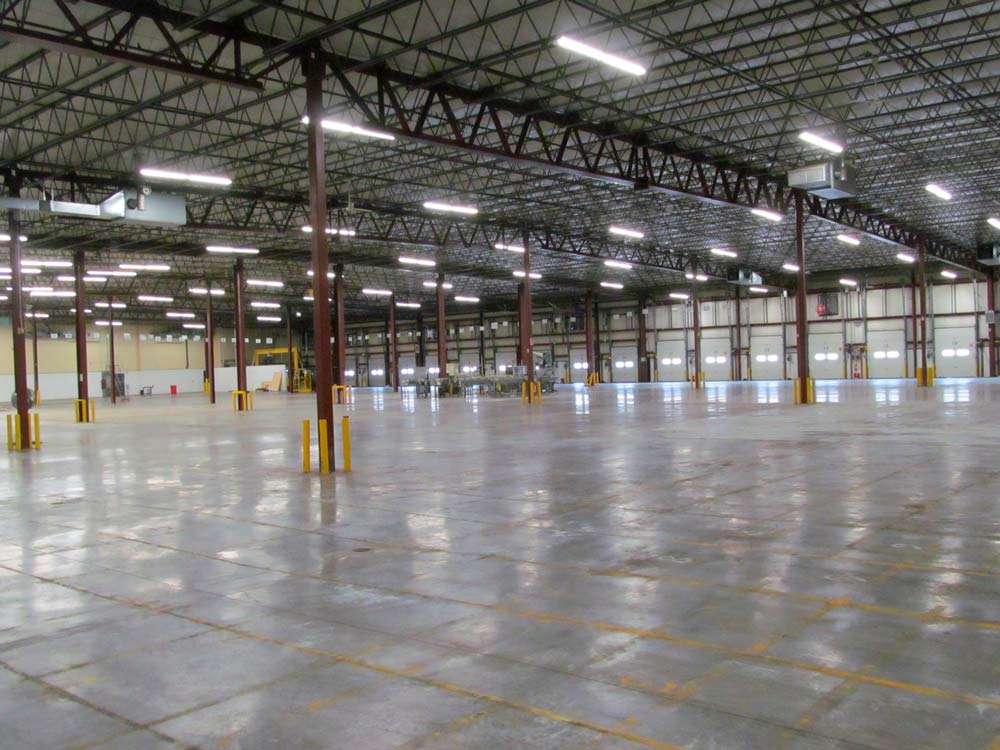
Protecting stored items financially is just as important as choosing the right unit. However, keep in mind that pricing and policies can vary depending on the provider, so it’s recommended to consult reputable companies—such as Clancy Relocation & Logistics—for accurate, up-to-date information on coverage and flexible payment options.
- Storage Valuation: Items in storage are not always covered by renters or homeowners valuation. Many extended storage rental services offer affordable valuation plans for long-term peace of mind.
- Prepay or Auto-Pay Options: Prepayment discounts can lower monthly costs and lock in rates for long-term stays. Automatic payment options offered by long-term storage facilities also reduce the risk of missing due dates.
- Online Account Management: Managing the rental online makes it easier to update information, make payments, or request assistance remotely. This feature is helpful for those using long-term storage facilities nearby while living or working away from the area.
5. Research and Compare Providers
Taking time to explore different providers will help in choosing the right storage solution.
- Read Reviews and Ratings: Online reviews can offer helpful perspectives on a facility’s safety, cleanliness, and overall service. However, it’s important to approach them critically—according to a former U.S. federal criminal investigator, many reviews may be fake or paid, so cross-reference sources when researching the best long-term storage near me.
- Tour the Facility: An in-person visit helps evaluate layout, security, and overall condition. This firsthand look ensures the selected provider offers safe long-term storage options suited to specific needs.
- Compare Long-Term Plans: Different facilities offer unique long-term packages, including price breaks or free moving assistance. Ask about these benefits when comparing extended storage rental services.
- Customer Support: Friendly, knowledgeable staff can make a big difference, especially when questions or issues arise. Positive service reviews often indicate reliable long-term storage facilities that value their customers.
6. Select the Right Facility and Reserve a Unit
Once research is complete, it’s time to make a decision and secure a unit. Choosing the correct facility is critical for both peace of mind and functionality.
- Choose The Facility Type: Pick a facility type based on how much space is needed and how often access is required. Those searching extended storage rental services often benefit from flexible, scalable storage plans.
- Make The Reservation: Once the type and size are confirmed, secure the unit by signing a rental agreement and submitting a deposit. Doing this early ensures availability at the best long-term storage near your location.
7. Pack and Prepare Belongings for Storage
Proper packing is essential to protect items in storage. Materials and packing strategies can significantly impact the condition of belongings after long periods.
- Label and Categorize Boxes: Labeling each box with its contents helps streamline unpacking and access later. This organization method is especially useful for items placed in long-term storage facilities for months or years.
- Use Quality Packing Materials: Sturdy materials such as bubble wrap, plastic bins, and packing tape help protect against moisture and physical damage. Quality packing is a must for anyone using safe long-term storage options.
- Disassemble Furniture When Possible: Breaking down large pieces saves space and prevents damage during transport and storage. This is a common tip recommended by extended storage rental services.
- Avoid Storing Perishables or Flammable Items: These items can spoil, attract pests, or create fire hazards if left in storage. Reputable facilities listed under long-term storage facilities near you usually restrict such items.
- Clean and Ventilate Appliances: Before storage, clean appliances like refrigerators, ovens, or microwaves to prevent mold or odors. Keep doors slightly open to allow proper airflow and avoid moisture buildup.
- Protect Furniture Surfaces: Dust and polish wooden furniture before storing to help preserve finishes. Use cotton sheets or furniture covers that allow airflow and avoid trapping moisture.
- Use Appropriate Storage for Clothing: Store garments in breathable containers such as wardrobe boxes or plastic bins with lids. Place clothing in dry, dark, and cool areas to prevent fading or mildew.
8. Move-In With Care and Maintain the Unit
Once everything is packed, transporting items to the facility should be done with organization and caution. Regular check-ins help keep the unit in good condition.
- Create an Aisle for Access: Leave a pathway in the center of the unit for easier access to items in the back. This is a small but smart tip that is often shared by staff at the best long-term storage providers near you.
- Place Heaviest Items at the Bottom: Stack boxes and furniture with heavier items below to avoid collapsing or crushing. This helps maintain order, especially in long-term storage facilities with limited unit height.
- Visit Periodically: Checking the unit every few months can catch early signs of damage, leaks, or pests. Many safe long-term storage options allow regular access during business hours.
- Keep Inventory Records: Maintaining a list of stored items can make it easier to manage contents and avoid misplacement. This is especially helpful for businesses using extended storage rental services for overflow stock.
Pros and Cons of Renting A Storage Unit for Long-Term Storage

Renting a storage unit can be a smart choice for those who need extra space over an extended period. But like any decision involving cost and convenience, there are both benefits and drawbacks worth understanding before committing.
When Long-Term Storage Makes Sense
For those in transition or downsizing, long-term storage facilities can offer flexibility and peace of mind. However, not all items are worth storing for long periods, especially when the value of the item does not match the cost of keeping it.
- Home Renovation Or Relocation: During a home remodel or move, storage units provide a secure place for furniture and personal belongings. Many rely on long-term storage facilities to avoid damage or clutter during these times.
- Seasonal Or Sentimental Items: Items like holiday decorations or keepsakes that are rarely used can be safely stored to free up home space. These are typically placed in safe long-term storage options where they remain protected until needed.
- Business Overflow Storage: Companies often store documents, marketing materials, or surplus inventory offsite. Using extended storage rental services helps reduce in-office clutter and improves workspace efficiency.
Advantages Of Renting A Storage Unit
Storage units offer real value when used appropriately and with a plan. Their features and flexibility make them a practical solution for many individuals and families.
- Long-Term Protection of Belongings: These specialized units protect sensitive items like electronics, artwork, and wooden furniture from temperature swings. Many people choose safe long-term storage options with climate control for long-term reliability.
- Reduced Clutter at Home or Work: Storage units help create a more organized living or working environment by relocating infrequently used items offsite. This is especially helpful for those using extended storage rental services during life transitions or downsizing.
- Peace of Mind: Knowing that belongings are stored in a safe, monitored space brings comfort to individuals and businesses alike. Many renters consider this one of the biggest benefits of using the best long-term storage solutions.
- Short-Term Relief That Can Extend as Needed: Even if the original intent is temporary, many renters appreciate the ability to extend usage if needed. This makes long-term storage facilities useful for both planned and evolving storage needs.
Drawbacks Of Long-Term Storage
Although there are clear benefits, long-term storage can also come with potential downsides—especially if there is no clear plan or end date. Costs and access limitations are two major points to consider.
- Monthly Costs Add Up: Over time, even a modest monthly fee becomes significant, especially if items are not retrieved. Those seeking extended storage rental services should calculate total cost versus item value.
- Annual Price Increases: Many storage providers raise rates regularly, often after 12 months of rental. Renters searching for the best long-term storage should ask about pricing trends before committing.
- Unintentional Item Neglect: It’s easy to forget what’s inside a unit, especially if it’s out of sight and out of mind. This leads many to continue paying for unused storage in long-term storage facilities without realizing it.
Other Considerations Before Committing To Long-Term Storage
Long-term storage works best when used with purpose and awareness. Without a plan or strategy, the storage unit can turn into an expensive holding spot for unused items.
- Create an Exit Plan: Set a reminder to review the unit contents and contract terms every few months. This helps avoid paying indefinitely for extended storage rental services without a clear purpose.
- Track Total Expenses: Automatic payments can make it easy to forget how much is being spent. Regularly reviewing bank statements helps assess if long-term storage facilities still make financial sense.
- Reevaluate Storage Needs Over Time: Life changes—what was worth storing a year ago might no longer hold the same value. Reassess your storage contents annually and consider donating or selling unused items.
Frequently Asked Questions
How much is long-term storage?
The cost of long-term storage can vary widely depending on factors like the size of the unit, location, duration of rental, and whether climate control is needed. Keep in mind that rates and services can differ significantly between providers, so it’s recommended to check with reputable companies like Clancy Relocation & Logistics for accurate, up-to-date pricing and tailored storage solutions.
What is a long-term storage place called?
A place where items are stored for an extended period is commonly referred to as a long-term storage facility or a self-storage facility. These locations offer various types of units, including climate-controlled, indoor, and outdoor spaces, making them suitable for everything from personal belongings to vehicles. Many businesses and homeowners turn to extended storage rental services when they need a secure, off-site solution for excess items.
What is considered long-term storage?
Long-term storage generally refers to storing belongings for six months or longer. It’s commonly used during home renovations, relocations, or when downsizing, especially for items not used frequently. Most long-term storage facilities offer flexible terms, allowing renters to keep their items secure for several months or even years, depending on their needs. For more accurate information on what qualifies as long-term storage, including specific timeframes, features like climate control, and security options, it’s best to consult directly with Clancy Relocation & Logistics to find the solution that fits your needs.
Is it cheaper to rent a pod or a storage unit?
The cost comparison between a pod and a storage unit depends on specific needs, duration, and how far items need to be moved. While pods can offer on-site convenience and may be more cost-effective for short-term, local storage, their costs increase significantly over time, especially with delivery and relocation fees. In contrast, traditional storage units—especially from safe long-term storage options—often offer more stable monthly rates and better value for extended use. For most long-term storage needs, renting a unit at a facility is typically the more budget-friendly and practical solution.
What to know before renting a storage unit?
Before renting a storage unit, it’s important to evaluate what will be stored, how long it will be needed, and whether climate control is required. Researching long-term storage facilities near me, reading reviews, comparing prices, and checking security features can help ensure a good experience. Renters should also consider access hours, contract terms, and whether valuation is offered or required by the facility.
Secure the Right Storage Solution With Clancy Relocation & Logistics!
Finding reliable and affordable storage is easier with a trusted partner like Clancy Relocation & Logistics. Whether the need involves seasonal storage, business overflow, or safeguarding personal belongings, our tailored solutions offer flexibility, protection, and convenience for any situation. We’re the best partner for your long-term storage needs!
Contact Clancy Relocation & Logistics today to explore safe storage options that fit every need.