Table of Contents
What Percentage of Americans Move Each Year?
Top States Gaining and Losing Population
Estimated Cost of Full-Service Movers
4 Major Factors Influencing U.S. Relocation Trends
What to Pack and What to Leave Behind
How to Choose the Right Moving Company for Your Home or Business Relocation
Make Moving Across the U.S. Stress-Free with Clancy Relocation & Logistics!
Key Takeaways✔ 12.6% of Americans moved in 2022, with interstate migration remaining strong despite declining mobility. ✔ Southern and Western states are growing, while high-cost states like California and New York see the most departures. ✔ About 9 million U.S. citizens live abroad, seeking affordability and overseas career opportunities. ✔ Cost of living, jobs, remote work, and climate are key drivers of U.S. relocation trends. ✔ Migration favors the South and suburbs, shaping where Americans are moving to in the coming years. ✔ Choosing a licensed and reputable mover ensures a smooth, stress-free relocation. |
Millions of Americans relocate annually due to job opportunities, cost of living, and lifestyle changes. But what percentage of Americans move each year? In 2025, moving trends will be shaped by economic shifts, evolving housing demands, and climate concerns. Analyzing recent data provides valuable insights into where people are relocating and the key factors driving these moves, helping individuals and industry professionals stay ahead of migration patterns.
What Percentage of Americans Move Each Year?

The U.S. Census Bureau reports that the percentage of Americans who move each year has been steadily decreasing. In 2022, the moving rate was 12.6%, a slight drop from 12.8% in 2021 and part of a continued decline from 16.8% in 2006. Despite this downward moving trend, relocation remains a significant event, with 28.2 million Americans moving in 2022.
Interestingly, 19.9% of movers in 2022 relocated to a different state, an increase from 18.8% in 2021. This trend suggests that more people are seeking opportunities beyond their home states, likely influenced by job prospects, affordability, and remote work. What percentage of Americans move each year? continues to decline, but interstate migration remains significant as people look for better financial and lifestyle options.
Additionally, USPS data shows a steady decline in permanent address changes, with over 33 million processed in 2022 compared to 37 million in 2015. This highlights changing migration patterns influenced by economic conditions, rising moving costs, and shifting employment opportunities.
Are People Leaving the U.S.?
As of March 2025, international moving trends continue to shape the movement of U.S. citizens. According to the U.S. State Department, approximately 9 million Americans currently reside abroad, with many relocating for career growth, education, or lifestyle changes. Moving data suggests that factors such as cost of living, political climate, and global job opportunities remain key drivers of international relocation.
At the same time, the U.S. remains a primary destination for global migration, with over 40 million foreign-born residents. This two-way movement reflects ongoing shifts in economic conditions and immigration policies.
The growing acceptance of remote work has further influenced migration in 2025, allowing more Americans to live abroad while maintaining U.S.-based employment. Many are opting for destinations with lower living expenses and flexible residency options, making international relocation an increasingly viable choice.
Are people leaving the U.S. permanently or temporarily? It varies—some move abroad permanently for citizenship or long-term residency, while others relocate temporarily for work, education, or personal reasons before returning.
Top States Gaining and Losing Population
As Americans continue to seek better economic opportunities, lower living costs, and improved lifestyles, population shifts across the U.S. remain a key trend.
Understanding where are Americans moving to and analyzing past migration patterns helps predict future trends. Data from the most moved to states in 2023 highlights significant inbound migration, while other states saw substantial population declines.
Examining where are people moving to in 2024 also provides further insight into the factors driving these shifts and which states may continue to see growth in 2025.
What is the Most Moved To State?
The states with the most inbound moves in recent years have largely been in the South and West, where lower taxes, affordable housing, and strong job markets have attracted new residents. Florida and Texas have consistently ranked as the most moved to states, with both states seeing hundreds of thousands of new residents annually.
Florida
With over 738,000 new residents in 2022, Florida continues to see substantial population growth. The state’s lack of income tax, warm climate, and expanding job market make it an attractive destination for retirees, remote workers, and families seeking affordability.
As the third most populous state in the U.S., behind California and Texas, Florida’s population reached 23 million as of April 1, 2024. The state has been adding 350,000 to 375,000 new residents annually throughout this decade, reflecting steady migration trends. Compared to 2022, this sustained growth reinforces Florida’s status as a top destination for domestic movers.
Texas
Texas gained nearly 668,000 new residents in 2022, solidifying its position as one of the most moved to states in 2023. Its strong economy, lack of state income tax, and affordable living continue to attract newcomers.
In 2023, Texas overtook Florida in net migration—a title Florida had held since 2014. The margin was narrow, with Florida adding 136,750 residents, just 800 fewer than Texas. By 2024, Texas saw the largest numeric population increase in the U.S., adding nearly 563,000 people and bringing its total population to 31,290,831. As migration trends persist, Texas remains a top destination for those relocating in 2024, drawing residents seeking economic opportunities and a lower cost of living.
Cities like Austin, Houston, and Dallas continue to experience rapid growth, attracting professionals and families alike
North Carolina and South Carolina
Both states have seen a rise in migration and were considered as one of the most moved to states in 2023, particularly among people leaving high-cost states. The Carolinas offer a balance of affordability, job opportunities, and scenic landscapes, making them attractive destinations.
Tennessee and Georgia
These states have become some of the states with the most inbound moves, driven by their growing economies, reasonable housing prices, and increasing job opportunities.
What State Has the Most People Leaving?
While some states are seeing a surge in new residents, others are experiencing a steady population decline. The answer to what state has the most people leaving remains largely the same year after year, with California, New York, and Illinois consistently losing the most residents. Meanwhile, where are most people moving to continue to favor states with lower taxes, affordable housing, and strong job markets?
- California: With over 817,000 residents leaving in 2023, California continues to have one of the highest outbound migration rates. High housing costs, rising taxes, and concerns about affordability are pushing residents to states like Texas and Arizona. When asked what state has the most people leaving, California consistently ranks at the top due to its high cost of living and economic challenges.
- New York: Losing over 545,000 residents in 2023, New York continues to struggle with high living costs, economic shifts, and remote workers moving to lower-cost states. The trend of where are people moving to in the U.S. often includes former New Yorkers relocating to Florida and neighboring states like New Jersey. As outbound migration increases, New York remains one of the top answers to what state has the most people leaving each year.
- Illinois: One of the Midwest’s hardest-hit states, Illinois saw over 115,000 people leave in 2023. High property taxes and slow job growth have made it one of the states with most inbound moves—but in reverse, as more people leave than move in.
- Pennsylvania and New Jersey: While not losing as many residents as California or New York, these states have seen steady outbound migration as people seek lower-cost alternatives in the South.
Estimated Cost of Full-Service Movers

When planning a move, hiring professional movers can ease the stress and save time. To help you budget, here’s a quick look at the average costs you can expect.
| Distance | 1 Bedroom | 2 – 3 Bedroom | 4 – 5 Bedroom |
| Local (Less than 100 Miles) | $720 – $1,200 | $1140 – $2,520 | $1,680 – $5,640 |
| 100 miles | $1,440 – $2,040 | $1,740 – $2,280 | $2,040 – $4,320 |
| 250 miles | $1,680 – $2,640 | $2,040 – $4,440 | $2,640 – $6,000 |
| 750 miles | $1,920 – $3,720 | $2,760 – $8,520 | $6,840 – $9,720 |
| 1500 miles | $2,160 – $4,080 | $3,360 – $9,120 | $8,280 – $11,640 |
| 2500 miles+ | $2,520 – $4,680 | $4,920 – $10,080 | $16,800+ |
DISCLAIMER: Rates can vary based on various factors. For the most accurate pricing and a detailed and personal quote, contact trusted local moving providers like Clancy Relocation & Logistics.
4 Major Factors Influencing U.S. Relocation Trends
Relocation trends in the U.S. are shaped by economic, social, and environmental factors. Americans are looking for better job opportunities, lower living costs, and a higher quality of life. The rise of remote work, climate concerns, and state-specific policies are also playing a significant role in moving trends and migration patterns.
Here are the key factors influencing where people are moving in 2025.
✔ Cost of Living
Affordability remains a major driver of migration, with many Americans moving to states where their income stretches further. Rising housing costs, taxes, and everyday expenses push people to seek financial relief in states with lower living costs. As economic conditions fluctuate, moving numbers continue to reflect a shift toward regions offering more stability and affordability.
✔ Job Market
A strong job market is one of the biggest factors influencing where most people moving to. As people move to areas with better career opportunities, higher wages, and economic stability. States with booming industries attract professionals seeking long-term growth, while those with declining job prospects see more residents leaving in search of stability.
Cities like Austin, Nashville, and Raleigh have emerged as key destinations due to their expanding tech, healthcare, and finance sectors. These states offer not only job availability but also lower business taxes, a skilled workforce, and an overall pro-business environment, making them more appealing than states with stagnating economies and high costs. Meanwhile, states like Illinois and Pennsylvania continue to see outbound migration due to slow job growth, heavy taxation, and fewer opportunities for upward mobility.
✔ Remote Work and Lifestyle Flexibility
As remote work continues to reshape migration patterns, more professionals are leaving expensive urban centers for suburban and rural areas that offer lower living costs and better quality of life. States like Colorado, Arizona, and Tennessee have become hubs for remote workers due to their affordability, outdoor amenities, and growing infrastructure to support flexible work. Moving statistics indicate this trend will persist as hybrid and remote work opportunities expand, allowing workers to prioritize lifestyle over proximity to an office.
✔ Climate and Weather
Today, climate stability plays a significant role in relocation decisions, as safety and sustainability become top priorities. However, with the increasing threats of hurricanes, rising sea levels, and wildfires, many are reconsidering their choices. Where are people moving to instead? States with moderate climates and fewer natural disasters, such as Idaho, Montana, and North Carolina, are becoming more attractive alternatives.
What to Pack and What to Leave Behind

Moving can be a complicated process, and knowing what to pack—and what to leave behind—can make the transition much smoother. Some items are too valuable to risk losing, while others may be hazardous or difficult to transport. Proper planning ensures a safe and efficient move, especially as moving numbers continue to rise with people relocating across the country.
Items You Shouldn’t Pack for Moving
Certain items should not be packed with the rest of your belongings due to safety, legal restrictions, or risk of damage. Many moving statistics highlight common mistakes made during the packing process, which can lead to unnecessary complications.
Here are some categories of items best left out of the moving truck:
✔ Hazardous Materials
Flammable, toxic, or explosive items pose a serious risk during transit and should not be included in moving boxes. Items like aerosol cans, gasoline, fireworks, pool chemicals, and ammunition must be disposed of properly or transported separately following safety guidelines.
✔ Perishable Goods
Food that requires refrigeration, fresh produce, or half-used pantry items should not be packed, as spoilage can lead to unpleasant odors and damage to other belongings. If where are people moving to in the U.S. involves a short-distance move (under 150 miles), perishable items may be transported if properly packed and handled.
✔ Important Personal Documents & Valuables
Essential paperwork and valuable items should always stay with the owner during the move. This includes birth certificates, passports, insurance policies, medical records, and financial documents. Additionally, heirlooms, jewelry, and irreplaceable personal collections should never be packed with general household items to avoid loss or damage.
What to Keep With You
Moving day can be hectic, so keeping an easily accessible bag of essentials ensures a smoother experience. As moving data suggests, one of the most common moving-day regrets is packing away necessary items in boxes that get buried in a moving truck. To avoid this, consider keeping these must-have items in your vehicle:
✔ Daily Necessities
- Wallet, keys, and identification
- Cell phone and charger
- Prescription medications
- Toiletry kit (toothbrush, toothpaste, lotion)
- Change of clothes and comfortable shoes
✔ Travel & Safety Items
- First aid kit
- Flashlight and spare batteries
- Maps or GPS device
- Snacks, bottled water, and pet supplies if applicable
✔ Important Documents & Valuables
- House deed or lease agreement for the new home
- Insurance documents and vehicle registration
- Small valuables like jewelry or collectibles
Careful planning is essential because where are Americans moving to is shifting toward southern and western states, often requiring longer travel distances. This increases the likelihood of delays due to extended transit times, logistical challenges, and potential weather disruptions. Proper preparation ensures a smoother relocation, minimizing unexpected issues.
Final Moving Day Tips
As moving statistics show, a well-organized move reduces stress and ensures a successful transition. By carefully planning what to pack and what to carry separately, moving day can be smoother and less chaotic. Whether relocating within the U.S. or internationally, following these guidelines ensures everything arrives safely at the new destination.
How to Choose the Right Moving Company for Your Home or Business Relocation
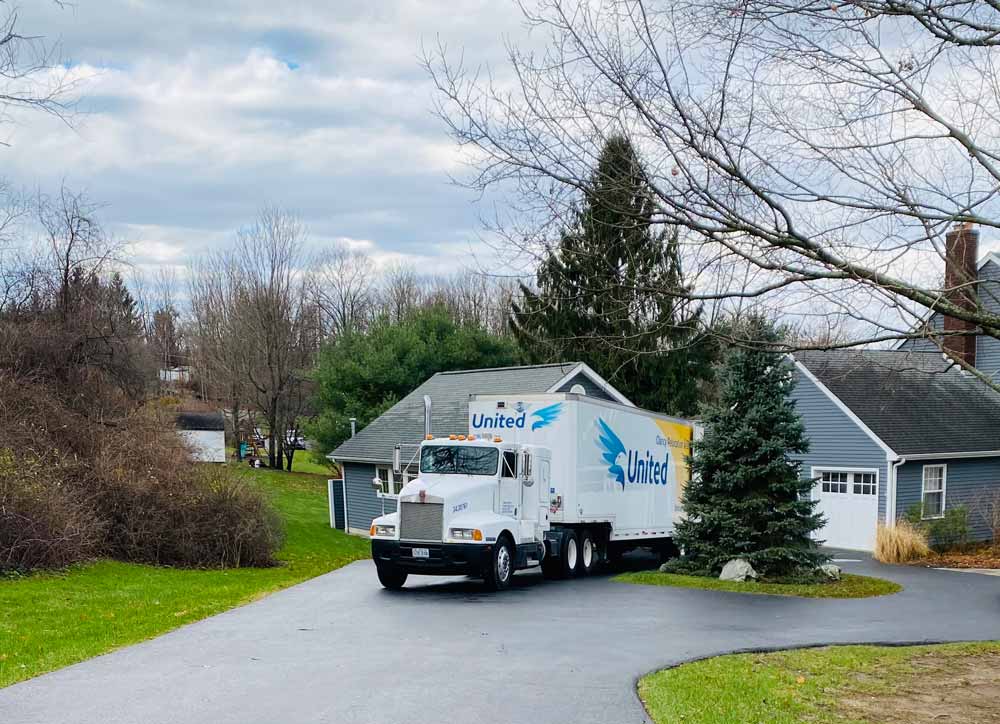
Moving requires careful planning, whether for a home or business. With moving data showing increased state-to-state transitions, hiring a reliable moving company is key to a smooth and efficient process. Clancy Relocation & Logistics specializes in both residential and commercial moves, offering tailored solutions to ensure hassle-free relocation.
✔ Residential Moving Tips
Verify Licensing and Insurance
Hiring a licensed and insured moving company ensures a secure and legal move. A valid USDOT number confirms legitimacy, while valuation coverage protects belongings from loss or damage. With many relocating to high-demand areas, considering where are people moving to in 2024 helps in selecting movers experienced with popular routes.
Get Transparent Cost Estimates
Request at least three quotes from reputable companies to compare services and avoid hidden fees. Low-cost estimates can signal scams or unexpected charges. With moving numbers rising, Clancy Relocation & Logistics provides clear pricing, detailed contracts, and flexible options tailored to customer needs.
Assess Available Services
From full-service packing to storage solutions, selecting a company that meets relocation needs is crucial. If moving to one of the most moved to states like Texas or Florida, choosing specialists in long-distance moves is essential. Clancy Relocation & Logistics offers secure storage and handling of fragile or high-value items to accommodate various moving situations.
Check Customer Reviews and Complaints
As relocation trends shift, many ask, “Where are Americans moving to?” Job-rich states remain popular destinations, and working with an experienced mover like Clancy Relocation & Logistics ensures a smooth transition. Reading reviews on FMCSA and the BBB can also help you find movers with a strong track record.
✔ Commercial Moving Tips
Hire a Commercial Moving Specialist
Business relocations require specialized expertise to minimize downtime and protect assets. With more companies expanding to states with the most inbound moves, Clancy Relocation & Logistics offers professional commercial moving services, including office relocation, industrial moving, and warehousing.
Plan for Minimal Business Disruptions
Timing is crucial for businesses. Scheduling moves during non-peak hours or weekends ensures minimal operational impact. Clancy Relocation & Logistics provides strategic planning, including IT relocation and workspace setup, for a seamless transition.
Verify Equipment and Storage Solutions
Commercial moves often require specialized equipment, secure storage, and climate-controlled options. With businesses relocating to where are most people moving to, choosing a mover with the right capabilities ensures safe transportation and setup at the new location.
Avoid Scams and Hidden Costs
Fraudulent movers often target businesses with last-minute price hikes or delayed shipments. Clancy Relocation & Logistics guarantees transparent pricing and a dedicated project manager for every commercial move, ensuring security and efficiency.
Frequently Asked Questions
How do I make moving days less stressful?
Stay organized by packing everything before movers arrive and keeping a “Take-With-Me” inventory for essentials like IDs, documents, jewelry, and medications. Have a small bag with moving day essentials—snacks, water, chargers, and a first-aid kit. Keep travel necessities in your car, including spare keys, cash, toiletries, and pet supplies if needed. Enlist help from family or friends to ease the process, and stay flexible in case of delays. Short breaks and moving checklists can keep things on track and reduce stress.
Are People Leaving the U.S. for Political Reasons?
Political concerns continue to influence Americans’ decisions to move abroad. A 2024 Monmouth University report found that 34% of Americans wanted to relocate, up from 10% fifty years ago. By political affiliation, 41% of independents, 35% of Democrats, and 22% of Republicans expressed interest in resettling.
How far in advance should I start planning my move?
It’s best to start planning your move at least two to three months in advance. This gives you enough time to research moving companies, compare prices, and secure a moving date that works for you. If you’re moving long-distance or during peak seasons like summer, you may need to plan even earlier. Packing can take longer than expected, so setting a schedule for sorting, donating, and boxing up your belongings is helpful. Last-minute moves can be stressful and more expensive, so early preparation can save both time and money.
How do I decide whether to hire movers or move myself?
The decision depends on your budget, time, and how much stuff you need to move. Hiring professional movers can be convenient, especially for long-distance moves, but it can also be expensive. If you’re moving locally and don’t have a lot of heavy furniture, renting a truck and doing it yourself may be a cost-effective option. Consider factors like physical effort, time constraints, and whether you have friends or family to help. Some people choose a hybrid approach, hiring movers for large items while handling smaller boxes themselves.
What are the most common moving mistakes?
One of the biggest mistakes is underestimating how much time packing will take, leading to a rushed and stressful move. Some people forget to label boxes properly, making unpacking a nightmare. Others fail to check moving company reviews and end up with unreliable movers or unexpected fees. Overpacking boxes can lead to damage or injury when lifting heavy items. Another common mistake is not setting up utilities and address changes in advance, which can cause delays and inconvenience.
Make Moving Across the U.S. Stress-Free with Clancy Relocation & Logistics!
Relocating to a new state is a major transition, and choosing the right moving partner makes all the difference. Clancy Relocation & Logistics provides expert services to ensure a smooth and efficient move, whether heading to a bustling city or a quiet suburban neighborhood. With experience handling interstate moves, secure transportation, and tailored relocation solutions, every step is managed with precision and care.
Start planning today—contact Clancy Relocation & Logistics for a hassle-free moving experience!