
Table of Contents
How Professional Movers Protect High-Value Equipment
- Pre-Move Planning and Assessment
- Specialized Packing Techniques
- Proper Handling and Lifting Procedures
- Secure Transportation Methods
- Valuation and Risk Management
- Careful Unpacking and Setup
Ensure Safe Handling of Fragile and High-Value Office Equipment!
Key Takeaways✔ A detailed pre-move assessment ensures that all high-value equipment is identified and handled with the right precautions. ✔ Industry-standard packing materials and techniques protect fragile equipment from shocks, vibrations, and external damage. ✔ Trained movers use proper lifting techniques and specialized tools to prevent mishandling and accidents. ✔ Secure transport methods, including climate-controlled trucks and shock-absorbing systems, minimize transit risks. ✔ Comprehensive valuation coverage and risk management strategies safeguard businesses against potential losses. ✔ A structured unpacking and setup process ensures that equipment is reinstalled, tested, and fully operational after the move. |
Relocating an office involves moving delicate and expensive equipment. Without the right precautions, businesses risk damage, delays, and costly replacements. Professional office movers use specialized techniques to ensure that every item arrives safely and remains fully functional. From careful packing to secure transportation and precise setup, every step is executed with precision.
Here are six key ways corporate moving solutions protect fragile and high-value equipment.
How Professional Movers Protect High-Value Equipment
1. Pre-Move Planning and Assessment
Office relocations involve handling delicate and high-value equipment that requires careful planning. Professional office movers take a strategic approach to minimize risks, prevent damages, and ensure a seamless transition. Pre-move planning and assessment are crucial steps in this process, helping businesses relocate efficiently while protecting their assets.
Conducting Site Inspections to Evaluate Equipment Needs
Before moving any equipment, a thorough site inspection is necessary. This allows office relocation services to assess specific requirements and plan accordingly.
- Evaluating Equipment Sensitivity: Identifying electronics, IT infrastructure, and fragile office assets that need extra precautions.
- Measuring Entryways and Hallways: Ensuring large or bulky equipment can fit through doors, stairwells, and elevators without damage.
- Assessing Structural Challenges: Identifying obstacles like narrow corridors, sharp corners, or multi-floor setups that may require special handling.
- Determining Packing Requirements: Understanding which materials—such as foam padding, anti-static wraps, or custom crates—are needed to protect valuable equipment.
Identifying Fragile and High-Value Items for Special Handling
Not all office equipment requires the same level of care. A business moving company carefully categorizes items to ensure the right protective measures are in place.
- Electronics and IT Infrastructure: Servers, computers, and networking devices require anti-static materials and temperature-controlled transportation.
- Office Furniture and Glass Items: Desks, conference tables, and glass partitions need disassembly and secure padding to prevent cracks or scratches.
- Specialized Equipment: High-value printers, medical devices, and manufacturing tools require customized crates and extra shock absorption during transit.
- Confidential Documents and Data Storage: Secure handling procedures are implemented for sensitive business records to maintain confidentiality and compliance.
Creating a Customized Moving Plan
A structured plan ensures corporate moving solutions are tailored to the business’s needs, reducing downtime and disruptions.
- Establishing a Moving Timeline: Determining the best schedule for packing, transportation, and reinstallation to minimize operational downtime.
- Assigning Specialized Moving Teams: Designating experts trained in handling sensitive equipment, ensuring efficiency and safety.
- Coordinating with IT Professionals: Planning the disassembly and reconnection of IT infrastructure to maintain data integrity and functionality.
- Developing a Contingency Plan: Preparing for unforeseen challenges, such as weather conditions or last-minute delays, to avoid disruptions.
2. Specialized Packing Techniques
Office relocation requires careful packing to ensure delicate and high-value equipment remains intact during the move. Professional office movers use specialized packing techniques to minimize the risk of damage.
Using Industry-Standard Packing Materials
The right packing materials provide essential cushioning and protection for fragile equipment. Office relocation services rely on high-quality supplies to safeguard valuable items during transport.
- Foam Padding: Absorbs shock and vibrations, reducing the impact of movement. It is especially useful for computers, printers, and delicate electronic components.
- Bubble Wrap: Provides an additional layer of protection by preventing direct contact between fragile surfaces. It helps cushion items from sudden impacts.
- Custom Crates: Offers reinforced protection for large or uniquely shaped equipment. Custom-built crates provide a secure fit, reducing movement inside the container.
- Anti-Static Packing Materials: Used for electronics to prevent static electricity buildup, which can cause internal damage to sensitive circuits.
3. Proper Handling and Lifting Procedures
During an office relocation, handling fragile and high-value equipment requires precision and care. Professional office movers follow strict guidelines to prevent damage and ensure a seamless transition.
Training Movers in Safe Lifting Techniques
A well-trained moving team reduces the risk of equipment damage and personal injury. Corporate moving solutions prioritize thorough training to equip movers with essential skills.
- Correct Lifting Posture: Proper lifting posture is essential, as lifting heavy items is one of the leading causes of workplace injuries. Professional office movers are trained to bend at the knees, keep their backs straight, and engage their leg muscles instead of relying on their backs. This reduces strain and ensures better control when handling high-value equipment.
- Weight Distribution Awareness: Understanding an item’s weight and balance helps movers lift and carry it more efficiently, preventing sudden shifts that could cause damage.
- Team Lifting Strategies: When moving large or heavy items, movers work in teams to distribute weight evenly and reduce strain. Clear communication ensures coordinated movements.
- Minimizing Sudden Movements: Slow, controlled lifting and lowering help prevent shocks or accidental drops, especially for fragile office equipment.
Using Lifting Aids for Enhanced Safety
Office relocation services utilize specialized tools to assist in lifting and transporting heavy or delicate equipment. These aids help reduce manual strain and provide additional security.
- Dollies and Hand Trucks: Wheeled platforms allow for easy movement of heavy office furniture and electronic equipment without excessive lifting. They also reduce the risk of dropping valuable items.
- Lifting Straps: These provide better grip and weight distribution, allowing movers to handle bulky items with more stability and less strain on their bodies.
- Hydraulic Lifts and Hoists: For large office equipment, such as servers or industrial printers, hydraulic lifts enable smooth vertical movement, reducing the risk of impact damage.
- Protective Gloves and Grip Pads: Ensuring a secure grip prevents accidental slips while handling expensive office technology and furniture.
Avoiding Excessive Force and Improper Positioning
Handling fragile and high-value equipment requires careful attention to positioning and movement. A business moving company ensures that every item is properly aligned and secured before transport.
- Assessing Item Fragility: Movers identify delicate components and adjust their handling techniques to prevent unnecessary pressure or force.
- Avoiding Twisting or Overreaching: Movers are trained to keep movements smooth and controlled, preventing unnecessary strain or sudden impacts.
- Utilizing Proper Carrying Techniques: Items are carried close to the body for better balance, and narrow pathways are navigated carefully to avoid collisions.
4. Secure Transportation Methods
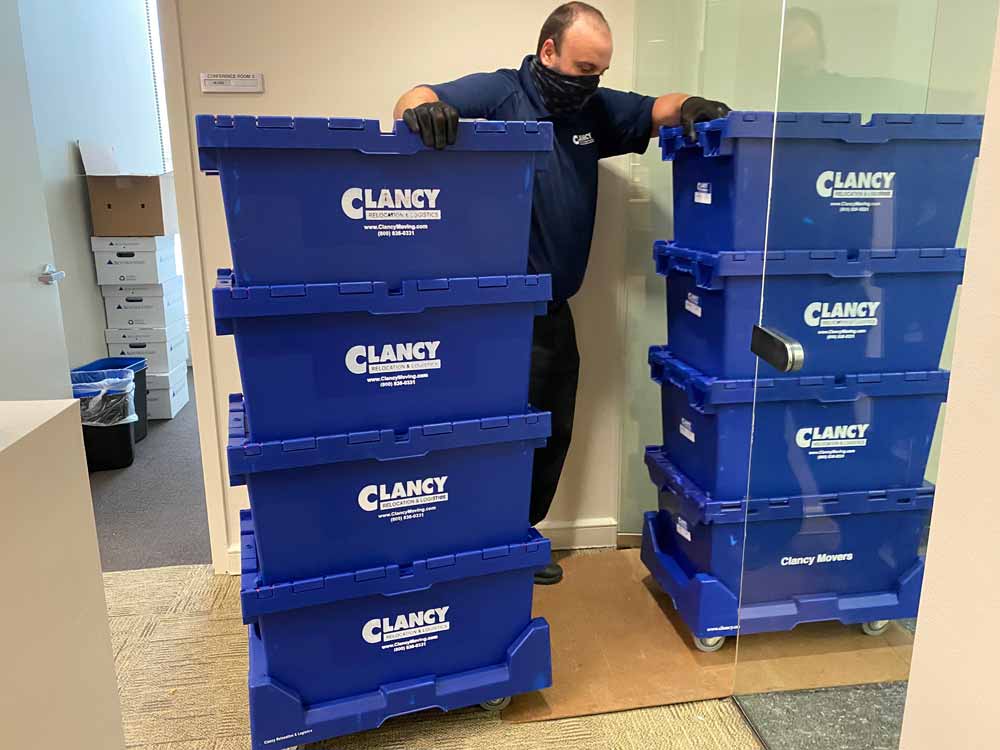
During an office relocation, ensuring that fragile and high-value equipment is transported safely is crucial. Professional office movers implement specialized techniques to prevent damage and minimize risks.
Utilizing Climate-Controlled and Shock-Absorbing Vehicles
Sensitive equipment, such as computers, servers, and specialized machinery, requires a stable environment during transport. Professional office movers use vehicles designed to protect these items from temperature fluctuations and physical impact.
- Climate Control: Temperature and humidity-regulated vehicles safeguard sensitive electronics and materials from environmental damage. Excess heat from weather conditions or radiating machinery can cause components to overheat or deform. Maintaining a stable climate during transit prevents warping, condensation, and potential performance issues.
- Shock Absorption: Trucks equipped with air-ride suspension systems and padded interiors help reduce the impact of road vibrations and sudden movements, ensuring equipment remains stable during transit.
- Secure Loading Bays: Vehicles with hydraulic lift gates provide smooth and safe loading, preventing unnecessary jolts that could damage delicate equipment.
Ensuring Equipment Is Properly Fastened and Immobilized
Once packed, office movers take additional steps to secure items inside the vehicle. Proper fastening prevents shifting, which can lead to impact damage.
- Heavy-Duty Straps and Padding: High-value and fragile equipment is strapped down securely with durable fasteners to prevent movement. Additional padding is used to create a protective buffer between items.
- Load Balancing: Items are strategically placed in the vehicle to distribute weight evenly, reducing the risk of tipping, shifting, or uneven pressure that could lead to damage.
Monitoring Transit Conditions to Prevent Damage
A reliable business moving company takes extra precautions to monitor transit conditions and minimize risks during transportation.
- Real-Time GPS Tracking: Many corporate moving solutions offer GPS tracking, allowing teams to monitor the vehicle’s location and route in real time, ensuring a smooth and secure delivery.
- Scheduled Checkpoints: Some office relocation services often include scheduled stops to inspect equipment and ensure everything remains secure throughout the journey. To confirm this, it’s best to connect with trusted movers like Clancy Relocation & Logistics.
5. Valuation and Risk Management
Office relocation services require careful planning and execution, especially when handling high-value equipment. A professional office movers company prioritizes valuation and risk management to protect fragile and expensive assets during transit.
Providing Valuation Coverage for High-Value Equipment
High-value equipment is one of the most critical assets during an office relocation. Ensuring these items are protected against potential damage or loss is essential for business continuity. To ensure accurate information and valuation, it is recommended to contact reputable office relocation providers like Clancy Relocation & Logistics for expert guidance and support.
- Comprehensive Valuation Plans: A business moving company offers tailored valuation policies that cover potential damage, loss, or theft of high-value equipment. These plans help businesses recover financially if unforeseen incidents occur.
- Valuation Coverage Options: Different levels of coverage are provided, including basic liability and full replacement value, ensuring businesses can choose the best protection for their needs.
Implementing Contingency Plans for Emergencies
Despite careful planning, unexpected situations can arise during an office move. A solid contingency plan ensures quick responses to minimize disruptions and financial losses. To ensure a seamless move, it’s best to work with providers like Clancy Relocation & Logistics to verify their contingency moving strategies.
- Backup Transportation Solutions: If a moving truck breaks down, a professional office movers company has backup vehicles ready to ensure the relocation stays on schedule.
- Emergency Communication Plans: Business moving companies establish clear communication channels with clients to provide real-time updates in case of delays, accidents, or unexpected issues.
- Damage Control Strategies: In case of minor damages, movers have on-site repair solutions or replacement options to prevent long-term operational disruptions.
6. Careful Unpacking and Setup
Office relocation involves more than just transporting items from one location to another. Once the move is complete, careful unpacking and setup are crucial to ensuring that all fragile and high-value equipment remains functional. Professional office movers use strategic methods to prevent damage and get businesses up and running quickly.
Following a Structured Unpacking Process
A well-organized unpacking process minimizes downtime and ensures that every item is accounted for. Corporate moving solutions include detailed unpacking procedures to maintain efficiency.
- Itemized Inventory Checks: Movers verify each item against an inventory list to confirm everything has arrived. This prevents misplaced or lost equipment.
- Priority-Based Unpacking: Essential equipment, such as computers, servers, and communication devices, is unpacked first to restore business operations quickly.
- Designated Unpacking Zones: Movers place items in predetermined areas to streamline setup and prevent clutter.
Inspecting Equipment for Potential Damage
Before reinstalling and setting up equipment, a thorough inspection ensures that no items have sustained damage during transit. Office relocation services include systematic checks to address potential issues immediately.
- Physical Condition Assessment: Movers examine items for visible signs of damage, such as cracks, dents, or loose parts.
- Functionality Testing: Electronics and machinery are tested to confirm they are in working order before being reinstalled.
- Immediate Issue Resolution: If any damage is found, movers coordinate repairs or replacements to avoid operational delays. Some movers like Clancy Relocation & Logistics even provide repair or replacement options.
Reinstalling and Testing Equipment to Ensure Functionality
After verifying that all equipment is in good condition, a business moving company carefully sets up workstations and systems to ensure seamless operation.
- Systematic Reinstallation: Movers follow a planned layout to place furniture, technology, and other essential equipment in their designated spots.
- Cable and Connectivity Management: Wires, internet connections, and power sources are properly arranged to prevent hazards and ensure efficiency.
- Final Performance Checks: Before handing over the workspace, movers test computers, printers, and other equipment to confirm everything functions correctly.
Frequently Asked Questions
What should I be most concerned about when moving fragile or high-value items?
The biggest concern when moving fragile or high-value items is the risk of damage due to improper handling. Delicate items like glassware, artwork, electronics, and antiques can easily break if not protected correctly. Sudden movements, temperature changes, and rough handling during transport can all contribute to their deterioration. High-value items, such as jewelry or collectibles, also face risks of theft or misplacement. Ensuring the safety of these possessions requires careful planning, secure transportation, and sometimes professional assistance.
Why do fragile items break so easily during a move?
Fragile items are typically made from delicate materials like glass, porcelain, or thin plastic that lack the durability to withstand impacts. Even minor vibrations from the moving truck can create stress on weak points, causing cracks or complete breakage. The problem is exacerbated when items are loosely packed, allowing them to shift and collide with one another. Additionally, temperature fluctuations can weaken materials, making them more susceptible to damage. The structural integrity of some objects, such as antiques or electronics, also deteriorates over time, making them even more fragile.
What are some common mistakes people make when moving fragile or valuable items?
One of the most common mistakes is underestimating the amount of protection fragile and valuable items need. Many people use weak or inappropriate packing materials, which fail to provide adequate cushioning. Another mistake is stacking heavy items on top of delicate ones, leading to unnecessary pressure and breakage. People also tend to rush the packing process, increasing the risk of oversight and improper securing. Ignoring temperature sensitivity and failing to get proper valuation coverage are other costly errors. Not labeling boxes properly can also result in mishandling during transit, leading to preventable damage.
Are electronics considered fragile items when moving?
Electronics are classified as fragile because they contain delicate internal components that can be damaged by shocks, moisture, and static electricity. Hard drives, circuit boards, and screens are particularly sensitive to sudden impacts. Exposure to extreme temperatures can also cause batteries to overheat or displays to malfunction. Unlike other fragile items, electronics require careful packing to prevent electrical interference or static buildup. Using anti-static wrapping and keeping cables organized reduces the risk of internal damage.
Is it necessary to get a valuation for fragile and high-value items when moving?
Valuation is crucial when moving fragile and high-value items to protect against potential loss or damage. Standard moving valuation may not cover the full value of rare or expensive possessions, so additional coverage is often required. Policies such as full-value protection or third-party valuation can provide reimbursement in case of accidents. Without proper coverage, any damages incurred could result in significant financial loss. Even if you take every precaution, unforeseen circumstances like accidents, theft, or natural disasters can still occur.
Ensure Safe Handling of Fragile and High-Value Office Equipment!
Protect valuable business assets with expert moving solutions. Clancy Relocation & Logistics specializes in secure office relocations, using proven techniques to safeguard delicate equipment during every stage of the move. From strategic packing to precise setup, every detail is managed with care. Trust a team that prioritizes efficiency and equipment safety.
Get a customized office moving plan today—contact Clancy Relocation & Logistics!